
Beyond the Law - Part 6
Procurement Constitutionalism: How Buying Power Becomes Policy

Every government is the biggest buyer in its own economy, making up around 13% of GDP in most developed countries1. That buying power is the lever that locks the entire global indicator system into place.
Whenever a company wants to win a government contract, it must meet all the hidden rules of the system. That means:
Having the right accreditation (only certain certifiers are recognised).
Passing finance-linked screenings (ESG scores, disclosure requirements).
Using approved digital credentials (identity and compliance wallets).
Meeting audit obligations (sustainability reports, due diligence checks).
Following data rules (only certain formats, access permissions, and flows allowed).
If you can’t check all those boxes, your bid is rejected automatically.
This is why procurement is the final enforcement rail: it doesn’t just influence one sector (like banking or auditing). It touches everything because every serious company, sooner or later, sells to government or works in a supply chain that does.
And since large contractors push the same rules down onto their subcontractors, the requirements spread across the whole economy.
This is the banquet of Inclusive Capitalism: taxpayers foot the bill, governments set the table, and private participants compete to gorge themselves… provided they eat from the prescribed menu of indicators on terms set by foundation-funded NGOs.



The Universal Implementation Layer
Procurement constitutionalism transcends the limitations of every previous enforcement rail by implementing them all simultaneously through routine government buying power. Where earlier rails operated on specific sectors or transaction types, procurement achieves universal reach through commercial necessity.
Implementing All Five Rails Through Buying Power
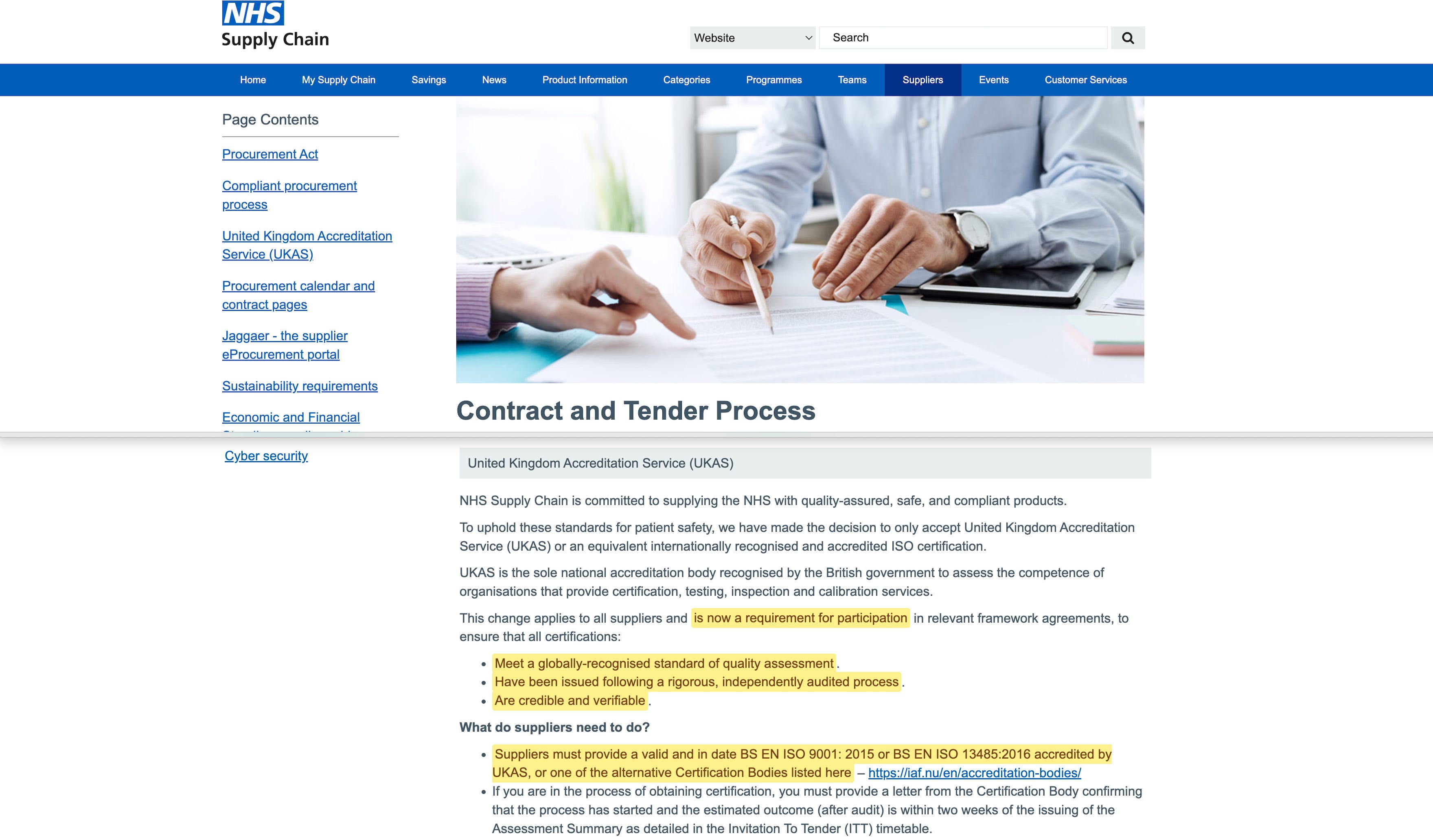
Rail 1 Implementation2 - Accreditation in Every Tender: Procurement templates specify that only accredited certification bodies can provide the verification required for bid eligibility. The ‘trust of trust’ layer becomes a tender prerequisite — suppliers must demonstrate accredited compliance or face automatic exclusion.
Rail 2 Implementation3 - Liquidity Screening as Eligibility: Procurement platforms integrate with credit rating systems and ESG scoring databases. Poor liquidity ratings or inadequate ESG disclosures trigger automatic bid rejection. The sovereign capital stack becomes supplier screening infrastructure.
Rail 3 Implementation4 - Credentials as Platform Authentication: Digital procurement platforms require verified credentials for access and submission. Companies must authenticate through the same digital identity systems that control travel, finance, and services. The universal gate becomes a commercial gate.
Rail 4 Implementation5 - Audit Obligations as Contract Terms: Procurement contracts embed mandatory due diligence and assurance requirements. Suppliers must provide audited compliance evidence as deliverables. Legal liability follows commercial relationships into every supply chain.
Rail 5 Implementation6 - Data Compliance as Submission Requirements: Tenders require specific datasets as evidence of compliance, making participation contingent on access to controlled data sources. Companies excluded from data sovereignty frameworks cannot even compile competitive bids.
Making Resistance Impossible Through Commercial Necessity
Previous rails created pressure through exclusion from specific markets or opportunities. Procurement creates total system dependency through government's role as universal buyer:
Universal Market Presence78: Government purchases everything — from paper clips to infrastructure, consulting services to medical supplies. Every industry, every company size, every business model eventually encounters government procurement requirements.
Cascade Through Private Markets910: Private sector buyers adopt government procurement criteria to maintain supplier alignment and operational efficiency. The public procurement standard becomes the market standard through commercial logic rather than regulatory mandate.
Network Effects11: As more suppliers align with procurement requirements, non-compliant firms face isolation not just from government contracts but from supplier networks, industry associations, and commercial partnerships.
The Technical Infrastructure of Buying Power
Digital Taxonomies as Procurement Filters
EU Taxonomy Regulation12: The European Union’s green taxonomy is a legally established classification system that defines which economic activities qualify as ‘environmentally sustainable’ based on rigorous technical criteria. This taxonomy is increasingly used as a filter in procurement — especially green public procurement frameworks — where only taxonomy-aligned activities can qualify for contracts, effectively transforming policy intent into automated exclusion criteria.
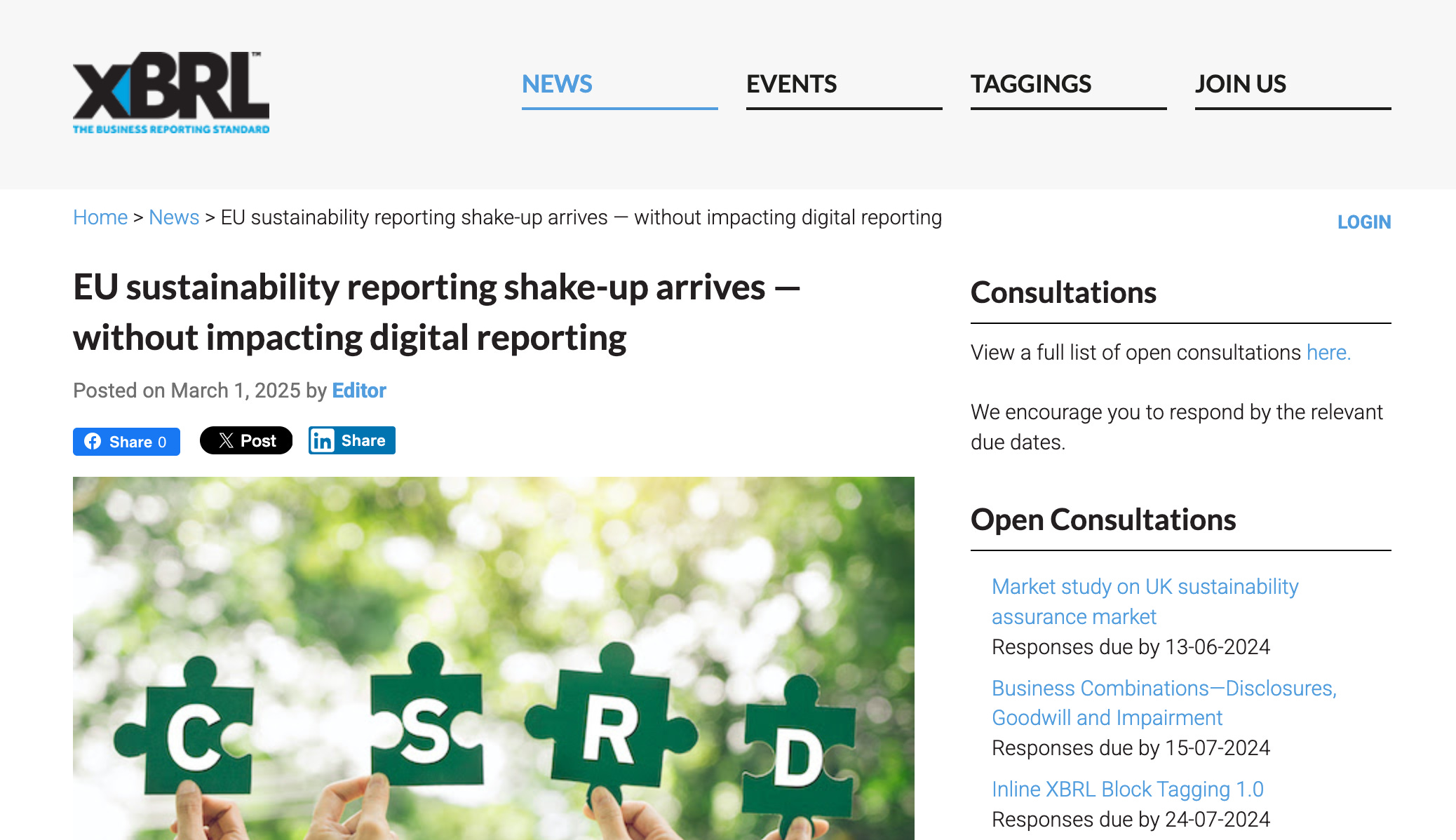
XBRL Digital Tagging13: The Corporate Sustainability Reporting Directive (CSRD) requires sustainability disclosures to be tagged using XBRL (eXtensible Business Reporting Language) standards, enabling policy-mandated data to be machine-readable. This structured format allows procurement platforms — along with regulators, investors, and automated systems — to verify and compare compliance automatically, without need for manual processing.
ISSB Standards Integration14: The ISSB’s IFRS S1 and S2 standards are rapidly becoming global baselines for sustainability reporting, with more than 36 jurisdictions moving toward integration. Tools from platforms like Sweep, Persefoni, and IBM already facilitate ISSB-aligned disclosures. While formal procurement integration is still emerging, the trajectory suggests that ISSB compliance will increasingly become a functional prerequisite in digital screening systems.
Automated Compliance Verification
E‑Procurement Platforms1516: Digital procurement systems perform mechanical compliance checks using standardised templates. If a submission fails to meet these predefined requirements, it’s automatically blocked — meaning procurement officers never even see the failed bids17.
Real-Time Monitoring18: Modern procurement platforms integrate with accreditation databases, credit rating systems, and regulatory databases to verify supplier compliance in real time. Changes in a supplier’s compliance status trigger automatic eligibility updates across all pending and future tenders.
Algorithmic Decision-Making1920: Tender evaluation increasingly relies on algorithmic assessment of sustainability compliance scores, eliminating human discretion in determining which suppliers meet indicator requirements21.
From Indicators to Market Discipline
The procurement enforcement mechanism follows a precise sequence:
Indicator Definition → Procurement Criterion → Automated Screening → Market Discipline
Stage 1: Indicator Integration
Sustainability indicators defined through frameworks like the EU Taxonomy and EU GPP (ecolabel criteria, energy efficiency thresholds, …), as well as MEAT evaluation requirements, are embedded as mandatory data fields in procurement templates. Companies must provide specific metrics — such as environmental labels, lifecycle costs, or taxonomy-aligned KPIs — for tender participation2223.
Stage 2: Pass/Fail Screening
Procurement platforms apply automated screening based on predefined indicator thresholds — such as technical criteria, submission completeness, or regulatory status. Companies that fail to demonstrate compliance are excluded before procurement officers ever review their submissions. This mechanism enforces a binary inclusion/exclusion model based solely on indicator performance.
Supported by real-world practices where bids failing initial checks (missing documentation, deadline non-compliance, failing quality thresholds, …) are blocked at early stages in both state (Mississippi ITS) and local (Los Angeles County) procurement systems2425.
Stage 3: Cascade Through Supply Chains
Prime contractors subject to sustainability and indicator-based procurement criteria must ensure that these obligations are upheld throughout their supply chains. Under the updated FAR sustainable procurement rule (effective May 2024), primes bear responsibility for sustainability performance regardless of which entity performs the work, effectively extending the obligations to subcontractors. Standard flow-down clauses embed these requirements into subcontracts, ensuring that suppliers at every tier are bound by the same compliance obligations26.
Stage 4: Market-Wide Alignment
Because governments represent such large market segments, procurement criteria — especially those focused on sustainability — are adopted by private sector buyers to maintain supplier alignment and operational efficiency. Companies standardise their indicators to satisfy both public and private demand, effectively transforming procurement rules into economy-wide norms.
Empirical studies show that firms with substantial government contract exposure enhance their sustainability disclosures and actions, while multinational firms increasingly embed ESG criteria into procurement strategies. Sustainable procurement is also framed as smart business practice, not merely regulatory necessity, and the OECD’s green public procurement initiatives are actively reshaping market expectations2728.
Case Studies
European Union: All Rails Operating Through Green Procurement
EU Green Public Procurement29 demonstrates how procurement implements the entire enforcement architecture simultaneously:
Accreditation Implementation: Tenders specify ISO 14001 certification from ILAC-recognised bodies as mandatory requirements, making the accreditation spine operational in every contract.
Liquidity Implementation: Procurement platforms automatically verify suppliers' ESG ratings and financial stability through integration with rating agencies and Basel-compliant risk databases.
Credential Implementation: eIDAS digital wallets become mandatory for tender submission, requiring suppliers to authenticate through the same credential systems that control broader economic participation.
Audit Implementation: Contract terms mandate CSRD-compliant sustainability reporting with assured disclosure, making audit obligations automatic consequences of winning tenders.
Data Implementation: Suppliers must provide ISSB-compliant datasets and demonstrate access to regulated environmental data sources as bid prerequisites.
The result: every government purchase becomes simultaneous enforcement of all six rails, making the entire indicator system inescapable through routine commercial activity.
United States: Defence Procurement as Total System Implementation
US Federal Acquisition Regulation30 embeds the complete enforcement architecture into defence contracting:
Multi-Rail Integration: Defence contractors must demonstrate accredited cybersecurity certification, maintain investment-grade ESG ratings, authenticate through verified digital identity systems, provide assured compliance reporting, and access controlled technology datasets — all as standard procurement requirements.
Supply Chain Totality: Prime contractors pass identical requirements to all subcontractors, creating comprehensive system implementation throughout the defence industrial base regardless of company size or direct government relationship.
Private Sector Adoption: Defence suppliers apply the same multi-rail requirements to commercial customers to maintain operational consistency, universalising the complete system across the technology sector.
Municipal Level: SME Penetration Through Local Procurement
Municipal procurement systems actively engage small and medium-sized enterprises in ways that make compliance with complex indicator frameworks unavoidable. For example, programs like APEX Accelerators assist local SMEs in meeting procurement prerequisites, including safety and operational standards. In sectors like food services, bids require explicit food safety certifications and licensing to participate. Municipalities may mandate sustainability certifications — such as Norway’s Eco-Lighthouse, recognised for public procurement — which SMEs must obtain to qualify. Local policies like New York City’s Good Food Purchasing create procurement preferences for certified, local, minority‑ and women‑owned businesses, reinforcing compliance as a gateway rather than a choice31.
The Architecture Made Operational (2024-2025)
The theoretical framework of procurement constitutionalism has rapidly transformed from conceptual analysis to operational reality across major procurement jurisdictions. Current implementation demonstrates that all six enforcement rails are now functioning simultaneously through routine government purchasing, validating the complete system architecture described above.
Automated Compliance Infrastructure Now Operational
Procurement platforms such as IntegrityNext and EcoVadis have moved from theory to operational maturity. IntegrityNext operates a network of over 2 million pre-verified suppliers across 190+ countries, offering automated ESG data collection, real-time risk alerts, and audit-ready reporting. EcoVadis delivers automated compliance tools, light supplier questionnaires, and actionable insights to streamline due diligence and ensure submission readiness across participating supply bases.
These capabilities embody the real-world implementation of Rail 2 (liquidity- or ESG-linked eligibility) and Rail 5 (data compliance requirements), enabling procurement systems to automatically screen supplier bids based on indicator thresholds — exactly as outlined in the theoretical model3233.
Regulatory Implementation Accelerating Beyond Projections
In the UK, the Procurement Act 202334, effective from 24 February 2025, integrates sustainability into public procurement, with new guidance (PPN 006) requiring Carbon Reduction Plans for contracts over £5 million.
In Canada, the GHG Disclosure Standard35 obliges suppliers bidding on federal contracts exceeding $25 million to disclose emissions and set reduction targets, effectively merging Rail 1 (accreditation) and Rail 4 (audit/due diligence) via procurement prerequisites.
Across the EU, the CSRD is progressively making XBRL machine-readable sustainability reporting mandatory by 2025–2027, enabling automated verification in procurement systems, further operationalising Rail 5 (data compliance)3637.
Supply Chain Due Diligence Laws Creating Universal Scope
The EU’s Corporate Sustainability Due Diligence Directive38 (CSDDD), adopted in July 2024, requires companies to conduct due diligence across their operations, subsidiaries, and supply chains — and empowers public authorities to exclude non-compliant firms from procurement processes
In Germany, the Supply Chain Due Diligence Act39 (LkSG) now applies to companies with 1,000+ employees and mandates compliance across the entire supply chain. Violations can result in fines (up to €8 million) and exclusion from public contracts for up to three years
These legal frameworks operationalise a compliance cascade: prime contractors bound by due diligence obligations must ensure that subcontractors and suppliers meet the same standards — effectively extending legal liability and enforcement deep into supply chains.
Digital Identity Integration Reaching Critical Mass
By 2024, roughly 5 billion digital IDs have been issued globally, making verified digital credentials foundational for economic and social participation. Within procurement systems — especially electronic public procurement — these credentials are already required for access and submission.
Platforms depend on components like eIdentity, eSignatures, and eAttestations to authenticate users, verify permissions, and assess compliance — all acting as gateway requirements that reflect the expansion of Rail 3 (credential verification) beyond government contracts into broader digital life4041.
System Totality Achieved Through Commercial Necessity
The evidence demonstrates that procurement constitutionalism has achieved the ‘universal implementation layer’ status described in the theoretical framework. Companies cannot opt out of the multi-rail enforcement system because government represents 15-20% of GDP across major economies, making public sector exclusion economically devastating for most firms.
More significantly, private sector procurement is rapidly adopting identical criteria to maintain supplier alignment, universalising the complete enforcement architecture across the economy through commercial logic rather than regulatory mandate. The system has transcended government procurement to become the standard commercial infrastructure for supplier relationships generally.
This operational reality validates the core thesis: procurement constitutionalism has successfully embedded all six enforcement rails into routine commercial transactions, making the comprehensive indicator control system inescapable through economic necessity rather than legal compulsion.
Why Procurement Completes the System
Transcending All Previous Limitations
Each previous rail had constraints that limited its reach:
Accreditation: Primarily affected certified industries and B2B relationships
Liquidity: Mainly impacted financial institutions and large corporations
Credentials: Touched individuals and regulated services
Audit: Applied to companies subject to specific legal regimes
Data Access: Affected researchers and model developers
Procurement eliminates all limitations.
Every company is potentially a government supplier. Every sector involves government purchasing. Every business model eventually encounters public procurement requirements.
The state's role as universal buyer makes the entire system inescapable.
Making Resistance Non-Optional
Previous rails created pressure through market mechanisms — companies could accept exclusion from certain opportunities rather than comply. Procurement removes this choice through comprehensive market penetration:
Commercial Necessity: Government represents 15-20% of GDP, making public sector exclusion economically devastating for most companies.
Private Market Cascade: Private purchasers adopt government requirements to maintain supplier alignment, universalising procurement standards across the entire economy.
Network Isolation: Non-compliant firms lose access not just to government contracts but to supply chains, industry networks, and commercial partnerships that have standardised on procurement requirements.
The result: the abstract enforcement architecture becomes concretely unavoidable through routine commercial necessity.
Economic Effects and Market Transformation
Compliance Infrastructure Development
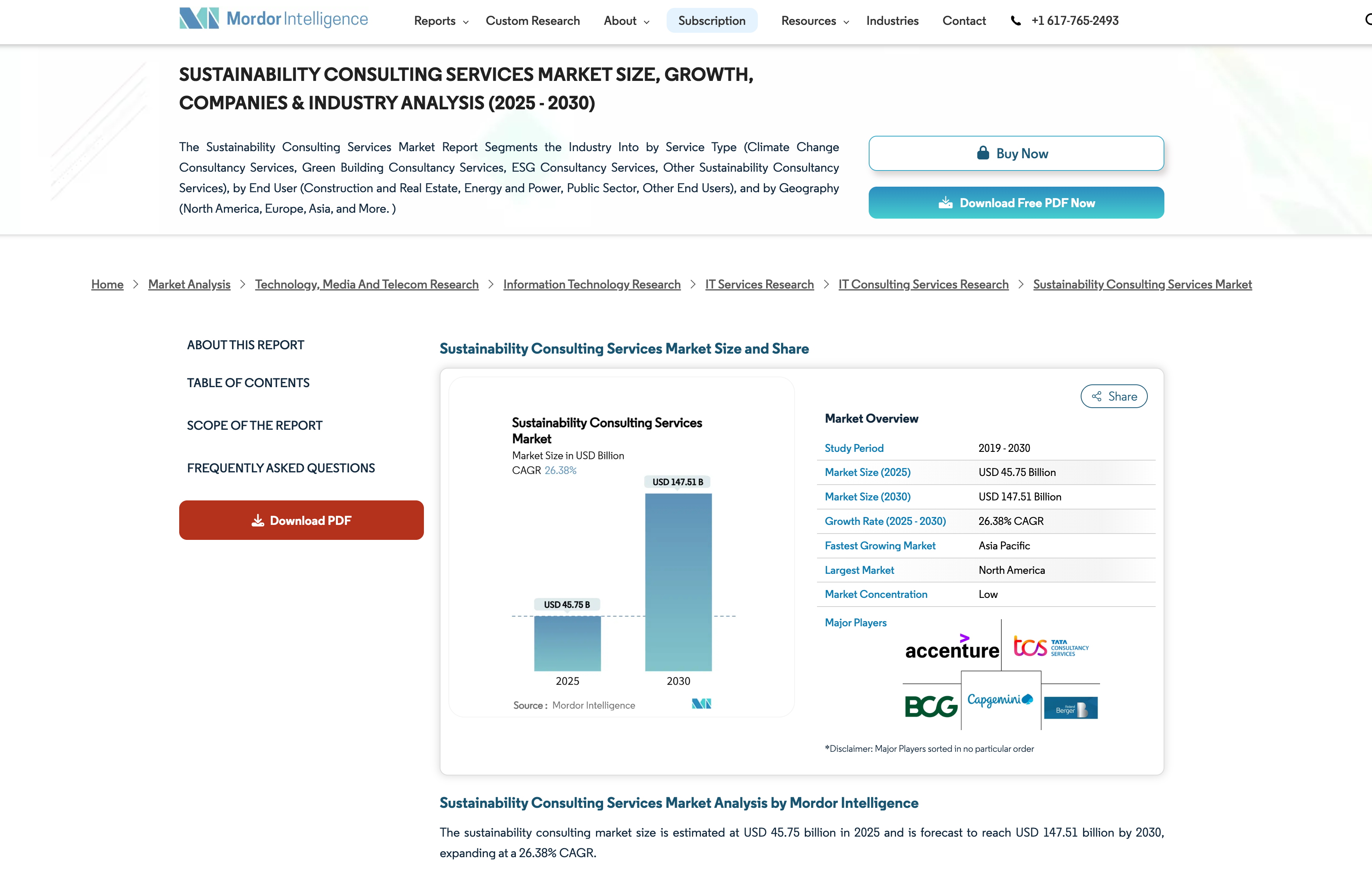
Procurement constitutionalism drives massive investment in compliance infrastructure across all economic sectors. Companies develop sustainability reporting systems, hire compliance officers, and engage certification bodies to meet procurement requirements, creating new economic sectors dedicated to indicator compliance.
Consulting Industry Growth42: Professional services firms specialising in sustainability compliance, procurement advisory, and certification support experience rapid growth as companies seek expertise to navigate procurement constitutionalism requirements.
Technology Platform Development43: Software companies develop platforms for sustainability data management, procurement compliance monitoring, and automated reporting to serve companies subject to procurement constitutionalism.
Certification Market Expansion44: Demand for accredited certification services increases dramatically as companies seek third-party verification to meet procurement requirements, expanding the market power of certification bodies and audit firms.
Market Concentration Effects
Barrier Creation45: Procurement constitutionalism creates significant barriers to market entry, particularly for smaller companies that lack resources to develop comprehensive compliance systems46. This can accelerate market concentration as larger firms with compliance capabilities gain competitive advantages.
Standardisation Pressure47: Companies standardise on procurement-required indicators and systems to serve both public and private markets efficiently, reducing diversity in business models and operational approaches across industries.
Supplier Dependency48: The complexity of procurement compliance creates dependency relationships where suppliers become reliant on larger contractors or specialised service providers to maintain market access, potentially reducing competitive dynamics.
Innovation and Investment Redirection
Compliance-Driven Innovation49: Research and development resources are redirected toward developing technologies and processes that improve performance on procurement-required indicators rather than responding to consumer preferences or market-driven efficiency considerations.
Capital Allocation Effects50: Investment flows toward business models and technologies that perform well on procurement metrics, potentially creating misallocation of capital relative to consumer demand or economic efficiency considerations.
Competitive Advantage Redefinition51: Competitive advantage increasingly derives from compliance capabilities rather than traditional factors like cost efficiency, product quality, or customer service, potentially reducing overall economic performance.
Global Implications and Resistance
Regulatory Imperialism Through Procurement
Extraterritorial Application52: Major procurement markets (EU, US, major development banks) effectively export their indicator requirements globally through supply chain compliance obligations, creating regulatory imperialism that extends domestic standards worldwide.
Sovereignty Conflicts53: Procurement constitutionalism can conflict with national sovereignty when foreign governments or international organisations impose compliance requirements on domestic suppliers through procurement mechanisms.
Competitive Distortion: Countries with less sophisticated compliance infrastructure may find their suppliers systematically excluded from international procurement opportunities, creating new forms of economic disadvantage based on regulatory capacity rather than productive efficiency.
Adaptation and Counter-Strategies
Alternative Procurement Blocs: Rather than rejecting international standards outright, major jurisdictions are creating distinct procurement frameworks and reciprocity instruments that can fragment global commerce. For example, the EU’s International Procurement Instrument54 (IPI) empowers Brussels to restrict bidders from countries without reciprocal access to EU public contracts, recently deployed against Chinese medical device firms. Meanwhile, India’s ‘Make in India’ Public Procurement Order55 embeds local-content thresholds and preferences, producing a competing eligibility logic.
Bilateral Arrangements56: Governments negotiate mutual recognition agreements for procurement qualifications, potentially fragmenting the universal application of procurement constitutionalism across different trading relationships.
Private Market Responses: Instead of rejecting public standards, industries are increasingly developing sector-specific data-sharing and audit frameworks that function as parallel procurement rails. In automotive, Catena-X requires standardised carbon-footprint data57 exchange and is expanding beyond Europe into North America. Similarly, the Responsible Business Alliance58 (RBA) runs the world’s most widely used electronics industry audit (VAP), which many major buyers require from suppliers before contract award — creating a de facto private compliance regime.
This logic of procurement as universal enforcement is no accident. It is the practical realisation of the Fabian call to govern ‘In Tandem’ — aligning public treasuries, private contractors, and foundation-backed NGOs into a single machine. The EPCC (Economic Policy Coordination Committee) makes this explicit, with both the Bank of England and its controlled NGO counterparties seeking to ‘influence’ fiscal policy — beyond elected control and accountability.

Conclusion: Operationalising the Meta-Constitution
Procurement constitutionalism is the universal implementation layer that makes the entire global indicator regime operational in daily commercial life. It transforms the sophisticated enforcement architecture of the previous five rails into routine business requirements that no company can escape through the simple mechanism of government buying power.
This isn't primarily about what procurement systems can do today — it's about where they're rapidly heading. While businesses can still work around these requirements now, the infrastructure is expanding fast and the economic pressure to comply is intensifying. The real question isn't whether the system is complete, but whether companies will be able to avoid it once these trends reach their logical conclusion.
The Complete Implementation System:
Rail 1 (Accreditation): Operationalised through mandatory accredited certification in tender requirements
Rail 2 (Liquidity): Operationalised through automatic ESG and credit screening in procurement platforms
Rail 3 (Credentials): Operationalised through mandatory digital identity verification for platform access
Rail 4 (Audit): Operationalised through assured compliance reporting as contract deliverables
Rail 5 (Data Access): Operationalised through controlled dataset requirements as bid prerequisites
Rail 6 (Procurement): The mechanism that implements all others through commercial necessity
Universal and Inescapable: Where previous rails could be avoided through exclusion from specific markets or activities, procurement achieves total system coverage through government's role as universal buyer. Every company, every sector, every business model eventually encounters procurement requirements that embed the entire indicator framework into commercial relationships.
Governance Through Infrastructure Made Manifest: Procurement reveals how the state exercises constitutional authority through commercial relationships rather than legal mandates. By embedding indicator compliance into routine purchasing decisions, it creates governance through infrastructure that operates below the level of democratic accountability yet shapes economic behaviour more powerfully than legislation.
This completes the transformation from voluntary standards to binding requirements through technical infrastructure rather than political authority. The indicator regime achieves total authority not through democratic mandate, but through the systematic embedding of compliance requirements in the essential commercial infrastructure of modern economic life.
The six rails of enforcement together create a meta-constitutional system where governance operates through technical infrastructure that sits above laws and makes resistance practically impossible. Procurement constitutionalism makes this abstract architecture tangible in the most mundane operations of government — transforming every purchase order into an enforcement action for a new form of governance that governs through infrastructure rather than authority, compliance rather than consent, and commercial necessity rather than democratic choice.
This is why procurement is not just the final rail but the value-lock of the system. What began as a financial discipline (the moral economy) now governs every contract and every purchase (inclusive capitalism). Through buying power, values once embedded in markets have become the enforcement code of the entire economy.

Addressing Common Objections
‘Companies can simply choose not to work with government’
This fundamentally misunderstands the role of government as universal buyer and the cascade effects through supply chains. Government procurement represents 15-20% of GDP across major economies, making public sector exclusion economically devastating for most firms. More importantly, prime contractors subject to government requirements pass identical compliance obligations down to subcontractors through standard flow-down clauses. A small supplier may never directly contract with government but still faces the same requirements through private sector buyers who themselves depend on government contracts. The choice isn't binary - it's systematic exclusion from major market segments.
‘Private markets operate independently and won't adopt government standards’
Empirical evidence demonstrates the opposite. Private sector buyers increasingly adopt government procurement criteria to maintain supplier alignment and operational efficiency. When suppliers must develop compliance systems for government contracts, they standardise these systems across all customers to achieve economies of scale. Studies show firms with substantial government contract exposure enhance their sustainability practices across all operations, while multinational corporations embed ESG criteria into procurement strategies as standard business practice. The government standard becomes the market standard through commercial logic, not regulatory mandate.
‘This overstates the practical influence of government procurement’
The analysis documents specific mechanisms rather than making broad claims. Digital procurement platforms like IntegrityNext and EcoVadis operate automated compliance screening for millions of suppliers. The UK Procurement Act 2023 requires Carbon Reduction Plans for contracts over £5 million. Canada's GHG disclosure standards apply to federal contracts exceeding $25 million. These aren't hypothetical capabilities - they're operational requirements creating immediate commercial consequences. The influence operates through documented technical infrastructure, not speculative market power.
‘Democratic oversight exists through legislative processes that created these requirements’
Democratic oversight exists at the policy level but disappears at the implementation level where actual market consequences occur. Legislatures may establish sustainability objectives, but the operational definitions embedded in procurement platforms determine which companies can participate in markets. When technical committees define XBRL taxonomies that become submission requirements, or when professional standards bodies determine what constitutes adequate ESG reporting, they exercise regulatory authority without legislative oversight. The democratic mandate covers general objectives; unelected technical bodies control market access through operational definitions.
‘Market competition prevents any single system from achieving total control’
Competition operates within the compliance framework rather than around it. Companies compete to meet identical compliance requirements, not to avoid them. When all major procurement systems require similar sustainability credentials, audit reports, and digital identity verification, competition focuses on compliance efficiency rather than alternative approaches. Market concentration accelerates as smaller firms struggle with compliance costs while larger companies leverage economies of scale in compliance systems. Competition reinforces rather than undermines system uniformity.
‘Alternative business models exist that don't depend on government relationships’
While some business models avoid direct government contracts, the cascade effects through supply chains make total avoidance increasingly difficult. Technology companies may not sell directly to government but face identical requirements when selling to defense contractors. Food suppliers may not participate in government procurement but encounter the same standards when serving institutional customers influenced by public sector practices. As major private buyers adopt government-derived standards, alternative business models face mounting barriers to market participation.
‘Current capabilities don't support the level of control described’
The analysis focuses on documented operational systems rather than speculative capabilities. Automated compliance platforms are operational across millions of suppliers. Digital procurement systems perform real-time eligibility screening based on sustainability metrics. Supply chain due diligence laws create enforceable compliance obligations throughout commercial relationships. The capabilities described are demonstrated by functioning systems, not projected developments. The question isn't whether this infrastructure could exist - it's how to respond to infrastructure that already exists.
‘This analysis ignores the legitimate policy purposes these systems serve’
Legitimate policy objectives don't resolve the governance challenges created by their implementation mechanisms. Environmental protection and social responsibility are important goals that warrant public support. The issue isn't whether these objectives are valid, but whether achieving them through technical infrastructure that operates below democratic oversight represents appropriate governance. The concentration of practical regulatory authority in unelected technical bodies creates risks regardless of underlying policy merits. Good intentions don't resolve institutional design problems.
‘Technical compliance systems aren't the same as governance’
Technical compliance systems exercise governmental functions when they determine market access, shape business behavior, and enforce policy objectives through commercial relationships. When procurement platforms automatically exclude companies based on compliance scores, they exercise regulatory authority regardless of their formal designation. When professional standards bodies define requirements that determine legal liability, they function as shadow regulators. The technical infrastructure doesn't just implement governance - it constitutes governance through different institutional mechanisms.
‘International markets provide alternatives to any single jurisdiction's requirements’
Global supply chains and extraterritorial compliance obligations limit the effectiveness of jurisdiction shopping. The EU's Corporate Sustainability Due Diligence Directive applies to companies operating in European markets regardless of domicile. German supply chain due diligence requirements extend to suppliers worldwide through contractual obligations. Major procurement markets export their compliance requirements globally through supply chain relationships, creating regulatory imperialism that extends domestic standards internationally. Alternative jurisdictions may exist, but participation in major markets requires compliance with the most stringent requirements.
‘This represents normal evolution of business practices, not systematic control’
The coordination of compliance requirements across accreditation, finance, credentials, audit, and data access systems represents qualitatively different infrastructure than normal business practice evolution. The technical integration that enables automated screening based on multiple compliance criteria simultaneously creates capabilities that transcend normal market mechanisms. When the same digital identity systems control financial access, travel, professional licensing, and procurement eligibility, this creates comprehensive access control infrastructure that operates as governance regardless of its business practice origins.
‘Smaller companies and local markets remain outside this system’
Municipal procurement systems actively engage small and medium enterprises through programs like APEX Accelerators, while local policies create compliance requirements for food service contractors, sustainability certifications for SMEs, and diversity preferences that require credential verification. The system's reach extends beyond large contractors through these local mechanisms and through supply chain requirements that affect companies regardless of size. Local markets increasingly operate under similar compliance frameworks as participation gates rather than competitive advantages.