
Kwarteng's Mini-Budget

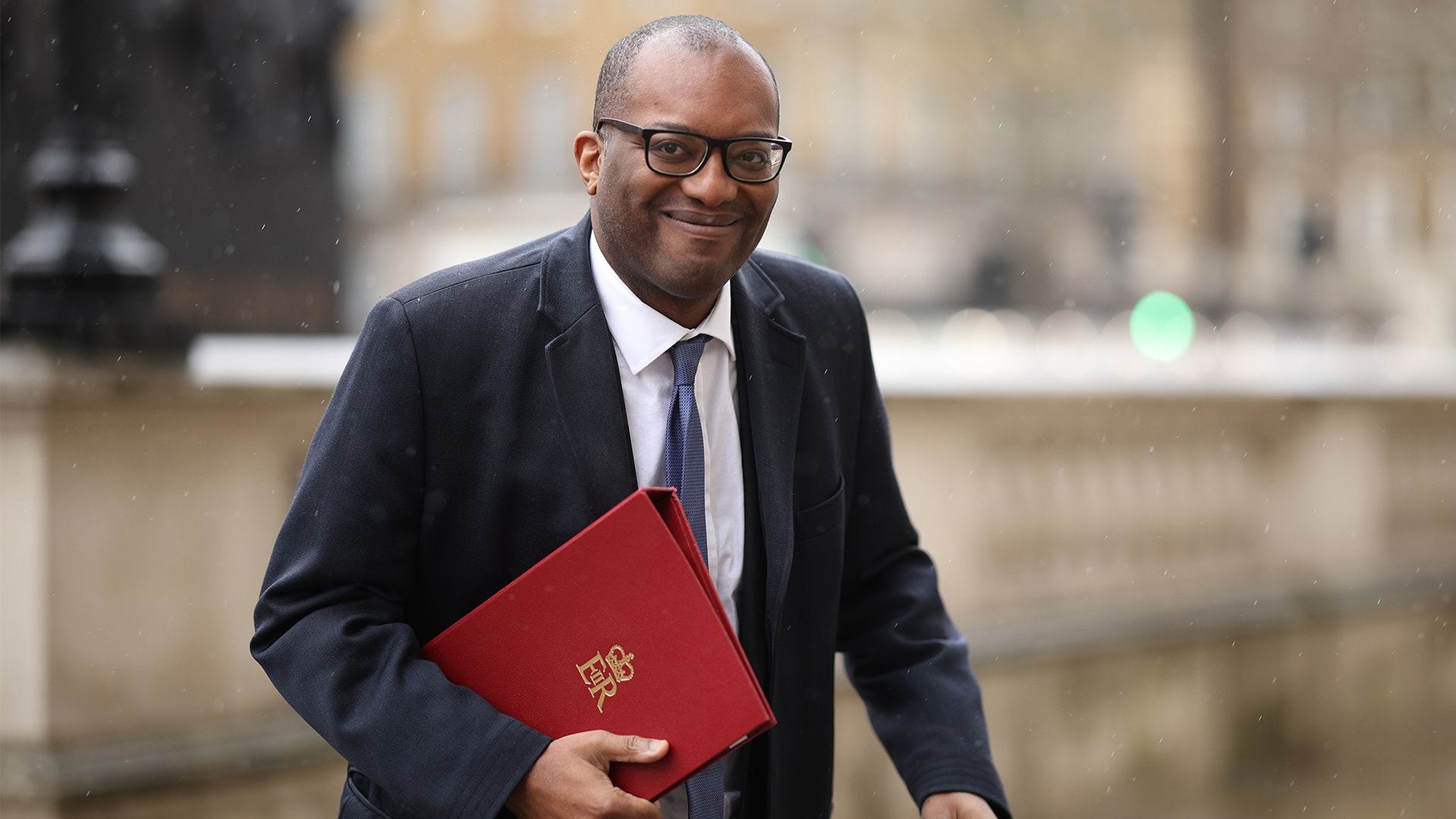
On 23 September 2022, Chancellor Kwasi Kwarteng announced £45 billion in unfunded tax cuts1. Within six weeks, both he and his Prime Minister had been removed from office2.
The story most people heard was simple: Truss and Kwarteng made reckless decisions, the markets panicked, and the Bank of England had to step in to clean up the mess.
But if you look at what actually happened, a very different picture emerges.
The Powder Keg
The crisis wasn’t actually caused by the tax cuts. It was caused by a risky financial arrangement that had been quietly building inside the UK pension system for years.
For over a decade, the Bank of England had kept interest rates close to zero. That created a serious problem for pension funds. Pensions need to pay retirees, and with interest rates so low, safe investments weren’t earning enough. So pension funds turned to a complex strategy called Liability-Driven Investment, or LDI3. In simple terms, they used borrowed money to make bigger bets on UK government bonds — known as gilts. The gilts themselves were used as a deposit against the borrowing, much like a house serves as security on a mortgage.
This worked fine — as long as the price of gilts stayed steady. But if gilt prices ever dropped sharply, the banks who had lent the money would demand more security. In financial terms, that’s called a margin call.
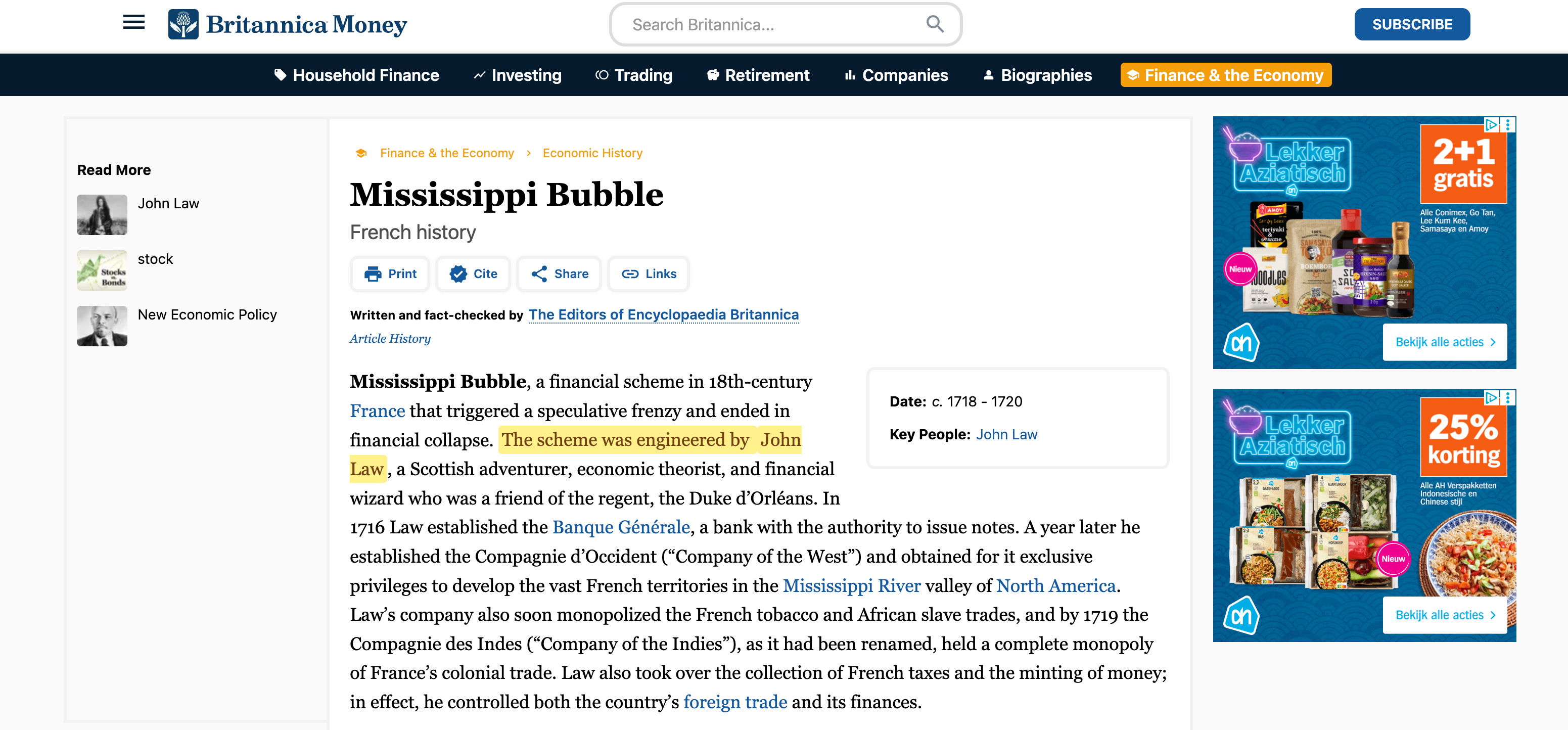
This trick is not new. In 1720, a Scottish financier called John Law ran what became known as the Mississippi scheme in France4. The basic structure was the same: money was borrowed to buy shares, and the shares were used as security to borrow more money to buy more shares. The whole thing was circular — the asset backing the loan was the same asset being bought with the loan. When confidence broke, everyone tried to sell at once, prices collapsed, and France’s economy was destroyed for a generation.
Three hundred years later, the UK pension system had reproduced the same circular structure — using gilts as security to borrow money to buy more gilts. The Bank of England supposedly watched throughout. Law, at least, had the excuse that central banking was a new idea.
By the time Truss entered Downing Street, UK pension funds had built up roughly £1.5 trillion in these leveraged positions. And all of it depended on gilt prices not falling too fast5.
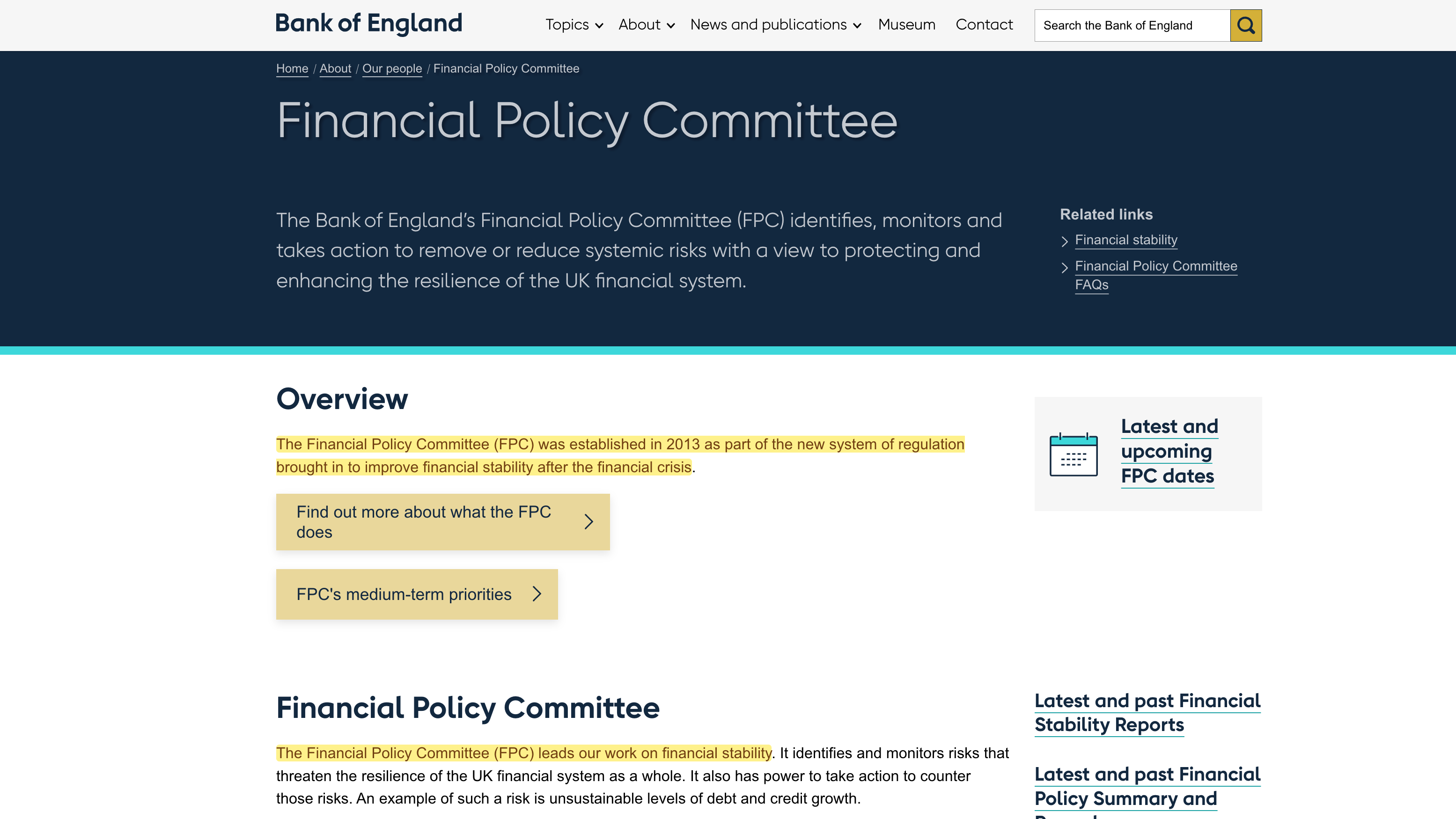
After the 2008 financial crisis, the government gave the Bank of England direct responsibility for spotting exactly this kind of systemic risk. The Prudential Regulation Authority was created inside the Bank in 20136, along with a Financial Policy Committee whose entire job was to identify threats to financial stability7. The Bank had held this oversight role for nearly a decade by 2022. During that decade, this enormous vulnerability grew unchecked.
The Bank either missed it or saw it and did nothing. Either way, the bomb was built on the Bank of England’s watch — and it was the Bank of England’s job to stop it.
The Gate
To understand why things blew up so fast, you need to understand what the government skipped.
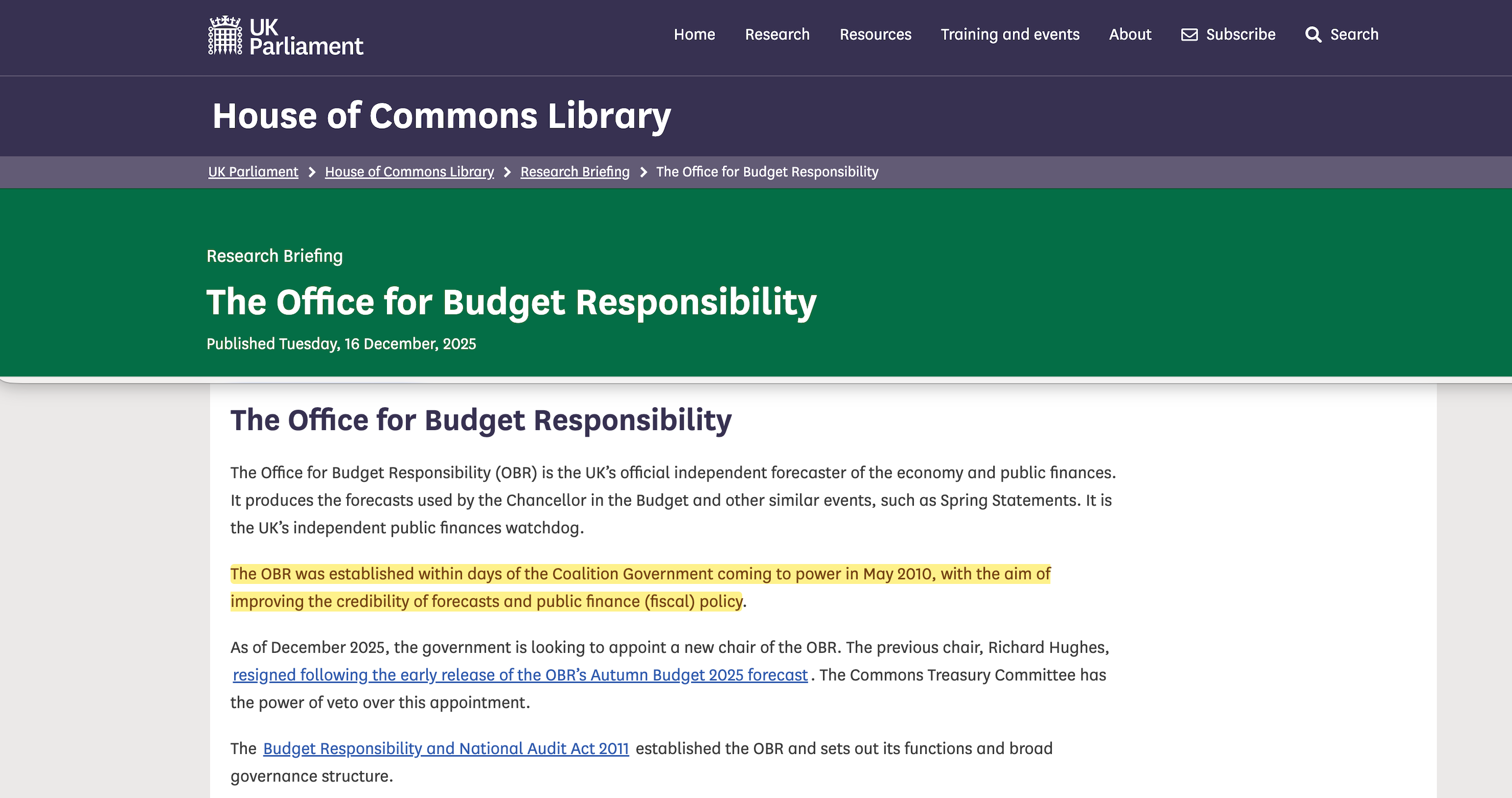
In 2010, the government created the Office for Budget Responsibility8 — the OBR. Its original job was fairly simple: provide an independent check on the government’s spending plans. Are the numbers realistic? Can we afford it?
But over the following twelve years, the OBR quietly became much more powerful. By 2022, no budget or spending plan was taken seriously by the financial markets unless the OBR had signed off on it first. It was no longer just a forecaster offering a second opinion. It had become a gatekeeper. If the OBR hadn’t blessed your budget, the markets treated it as not credible — almost per default.
When Kwarteng announced his tax cuts without an OBR forecast alongside them, he wasn’t just ignoring a tradition. He was trying to go around the gatekeeper — to make major fiscal policy without first getting it stamped as acceptable by the institution the markets had come to rely on. In the system as it had been built over the previous decade, that simply wasn’t allowed.
The Spark
The markets reacted immediately. Traders expected the tax cuts to push inflation higher, which meant the Bank of England would have to raise interest rates aggressively in response. That expectation alone was enough to send the price of government bonds — gilts — falling. And as gilt prices fell, the margin calls on those massive pension fund bets started firing.
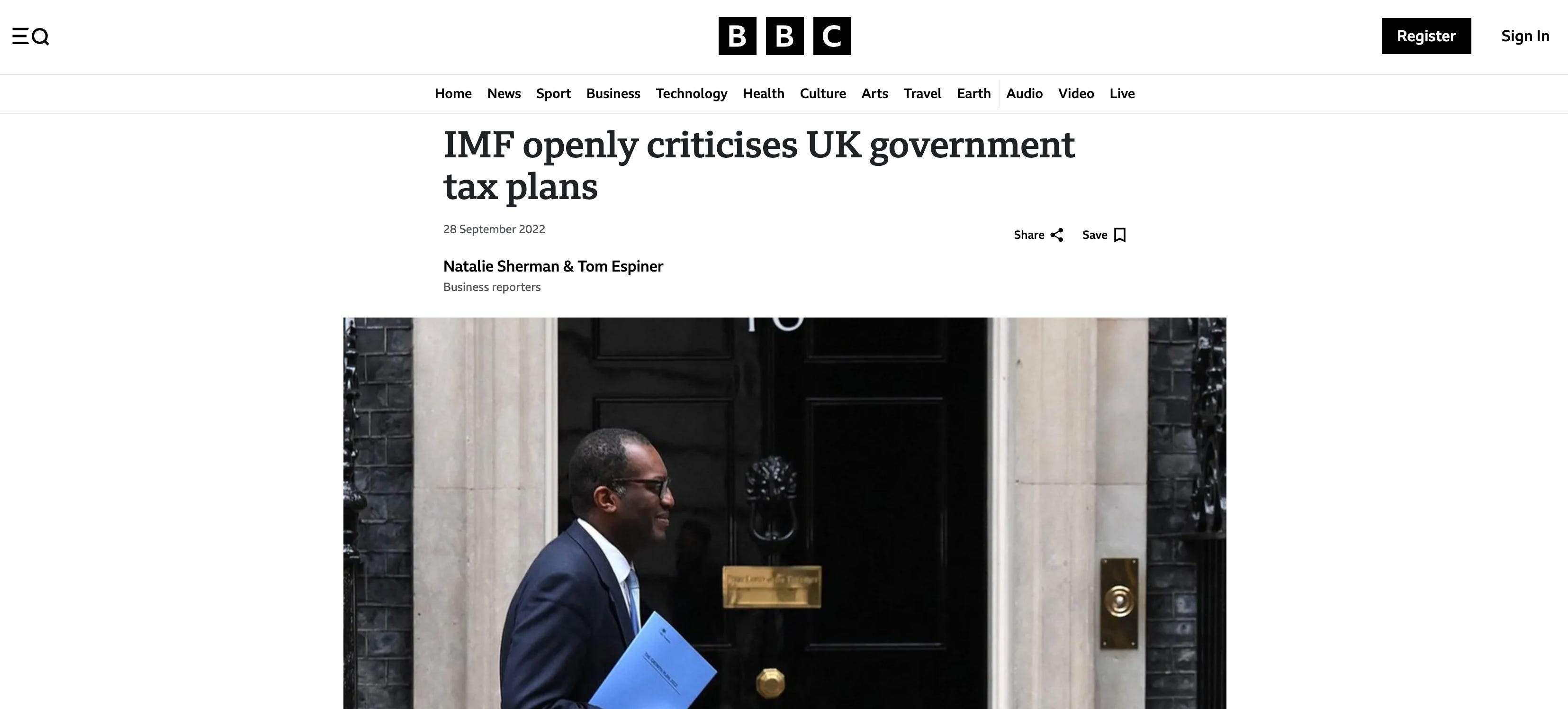
Then, within just four days, the International Monetary Fund publicly told the UK government to rethink its tax plans9. This kind of public dressing-down almost never happens to a major economy like Britain. The IMF normally reserves that treatment for developing countries on the brink of a debt crisis. The message was unmistakable: the UK government had crossed a line, and the world’s most powerful financial institutions were willing to say so openly. For the Bank of England, this was both permission and a tailwind.
What happened next was a chain reaction. The pension funds got hit with margin calls — demands for more security — but they didn’t have the cash to cover them. So they had to sell the only thing they could sell quickly: their gilts. But thousands of pension funds were all trying to sell gilts at the same time, which drove gilt prices down even further. That triggered even more margin calls, which forced even more selling, which drove prices down again. It was a vicious circle, and it was completely automatic.
By the morning of 28 September, several of Britain’s largest pension funds were reportedly just hours away from running out of money entirely10.
The Fire Brigade and the Arsonist
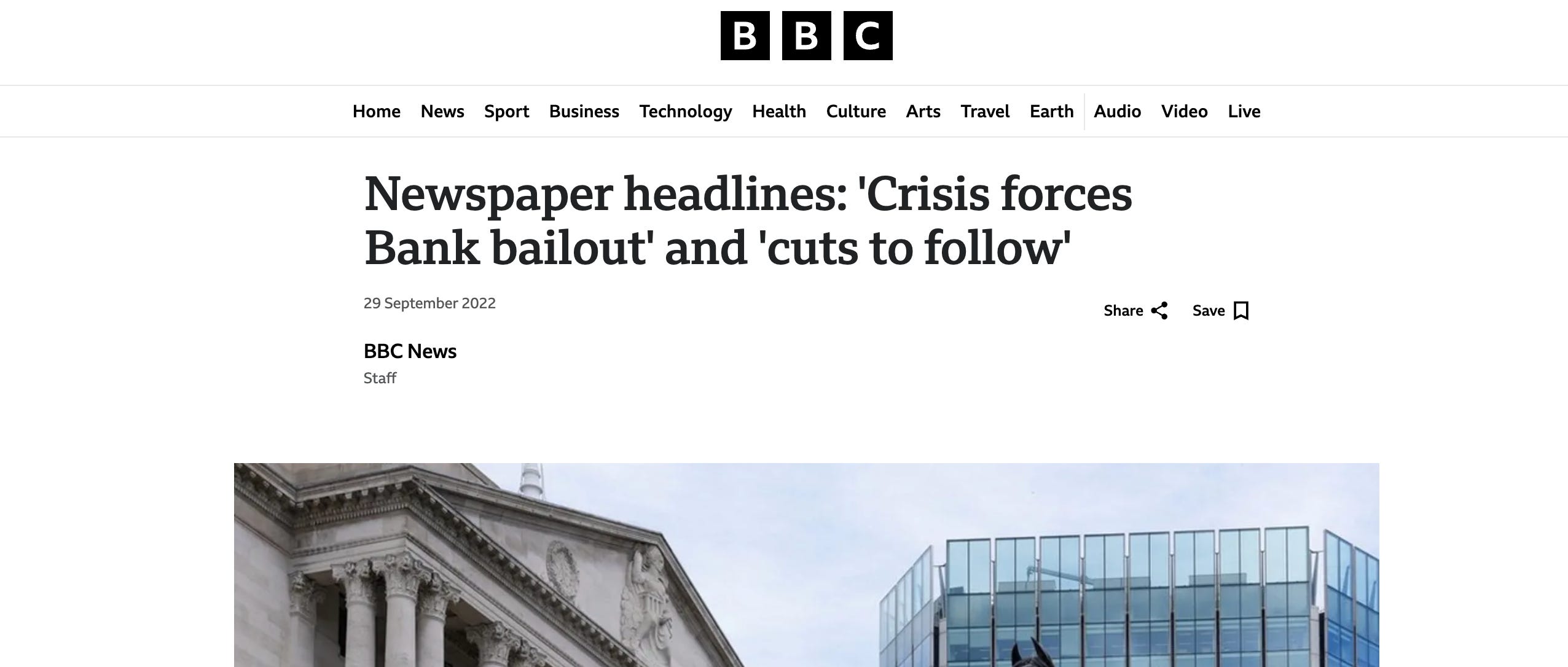
On 28 September, the Bank of England stepped in. It announced an emergency programme to buy up to £65 billion in government bonds, with the aim of stopping the death spiral in the gilt market11.
The numbers here are worth pausing on. The government’s tax cuts — the policy that everyone said was so dangerous it had to be scrapped — were costed at £45 billion, spread over several years. The Bank of England’s emergency rescue of the pension funds’ risky bets — bets that had been allowed to pile up under the Bank’s own supervision — came to £65 billion, pulled together in two weeks.
The system spent more money bailing out the problem it had failed to prevent than the government had proposed to cut in taxes.
But at the same time the Bank was buying gilts to stop the crash, it had already announced plans to start selling gilts from its own stockpile in early October. This was part of quantitative tightening — essentially the Bank offloading bonds it had bought in previous years. Although the Bank delayed these sales because of the crisis, the markets already knew they were coming. Traders understood that the Bank of England was about to become a major seller of the exact same asset whose falling price was causing the crisis.
There was also a simpler tool available. The Bank could have called an emergency meeting to adjust interest rates — a standard move in a financial emergency, and one that would have helped calm the markets. It chose not to12. Instead, it let pressure build until the next scheduled meeting in November. By not using the normal tool for this kind of situation, the Bank made sure that all the stress in the system went straight into the gilt market — and straight into the pension fund time bomb underneath it.
So take a step back and look at what the Bank of England was doing all at once.
It was pushing gilt prices down through its announced selling programme.
It was buying gilts in an emergency to stop the crash it was partly making worse.
It was refusing to use the standard interest rate tool that could have relieved the pressure.
It had set a hard deadline on its emergency rescue — 14 October, no extensions.
And it was publicly telling the government to sort the mess out.
Governor Andrew Bailey warned pension funds — and through them, the government — that they had ‘three days’ to get it done13.
By putting a countdown clock on the survival of Britain’s pension system, the Bank left the Prime Minister with no room to move. The message could not have been clearer: reverse your policy, or we stand back and let it all burn.
The Chorus
Within hours of Kwarteng’s statement, and before any new economic data actually existed, the media had already made up its mind. The Financial Times, the BBC, Sky News, the Telegraph — they all reached the same conclusion almost instantly: this budget was reckless, ideological, and dangerous14. No one had yet run the numbers. But the verdict was already in.
This mattered enormously, because traders read newspapers too. The narrative that the budget was irresponsible didn’t just reflect market sentiment — it helped create it. Traders sold gilts not only because they expected higher inflation, but because every major news outlet was already telling them the policy was doomed. A government that might have survived a rough few days in the bond market instead found itself facing a sell-off amplified by a media that had declared the budget dead on arrival.
Over decades, the financial press and the broadcast media had absorbed the same ideas about what counts as responsible fiscal policy — the same framework the OBR was built to enforce. Those ideas had become instinct. When a government stepped outside that framework, the reaction was instant and unanimous — because everyone in the relevant professional class had been trained to see the world the same way.
The media didn’t explain the mechanics of the LDI crisis to the public15. It skipped straight to the verdict. And the verdict was exactly the one the institutional system needed.
The Outcome
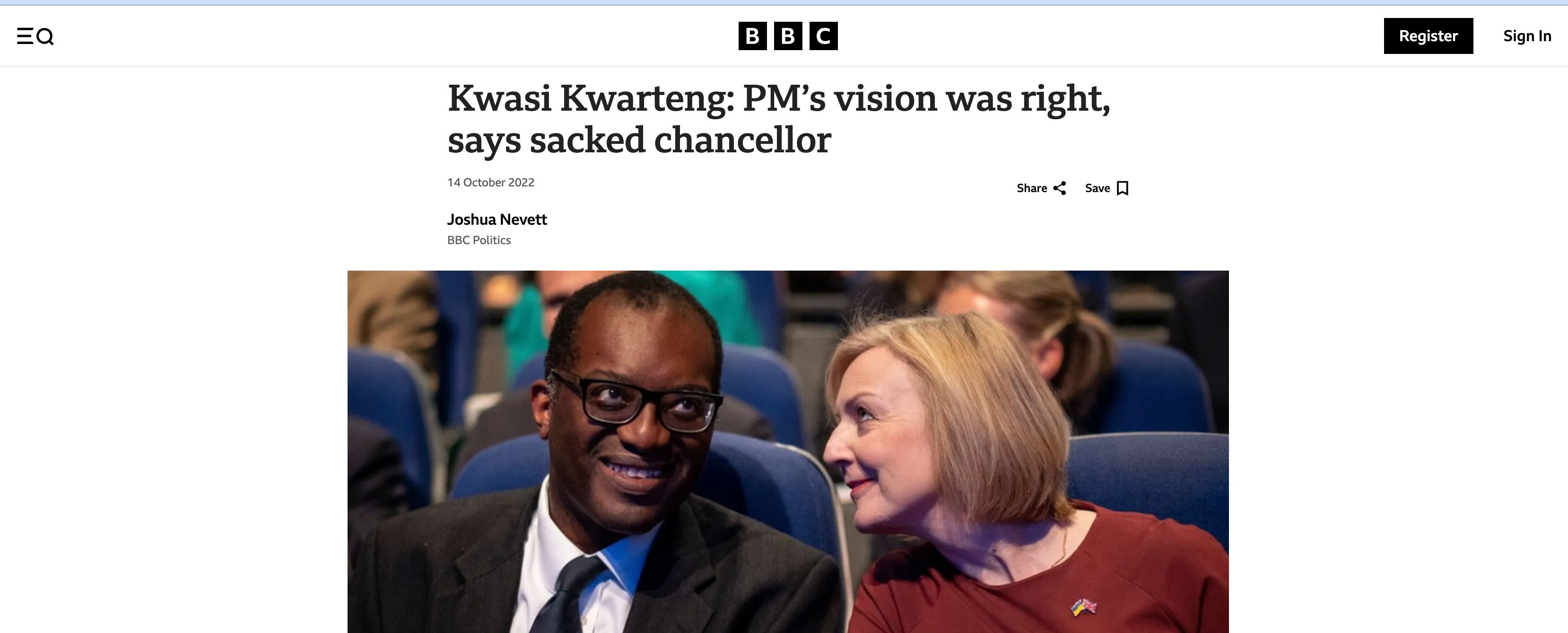
The government caved. Kwarteng was sacked on 14 October16. Truss reversed the tax cuts, then resigned herself on 25 October17. She was replaced by Rishi Sunak, with Jeremy Hunt as Chancellor — both of whom immediately went back to the old rules: defer to the OBR, work with the Bank of England, and raise taxes to balance the books.
What the episode proved is worth spelling out clearly. An elected government in Britain can only set tax and spending policy if it first gets approval from the OBR, fits within the Bank of England’s plans for interest rates, and satisfies the financial markets — whose own models are built around what the OBR and the Bank say. There are three gates, and every budget has to pass through all of them. Each of those gates was built over the preceding decades by unelected institutions, not by voters.
A government that tried to go around those gates found out that the gates themselves were the weapon. The mechanism that destroyed the Truss government wasn’t the tax cuts — it was what happened when an elected Prime Minister tried to make policy without institutional permission.
The Ratchet
After the crisis, Parliament’s Treasury Committee investigated what had gone wrong with the pension funds. Their conclusion was damning18. The Bank of England and the Pensions Regulator had allowed an enormous financial vulnerability to build up without doing anything about it. The Bank’s own Financial Policy Committee — the body created specifically to spot and prevent this kind of systemic risk — had failed to act.
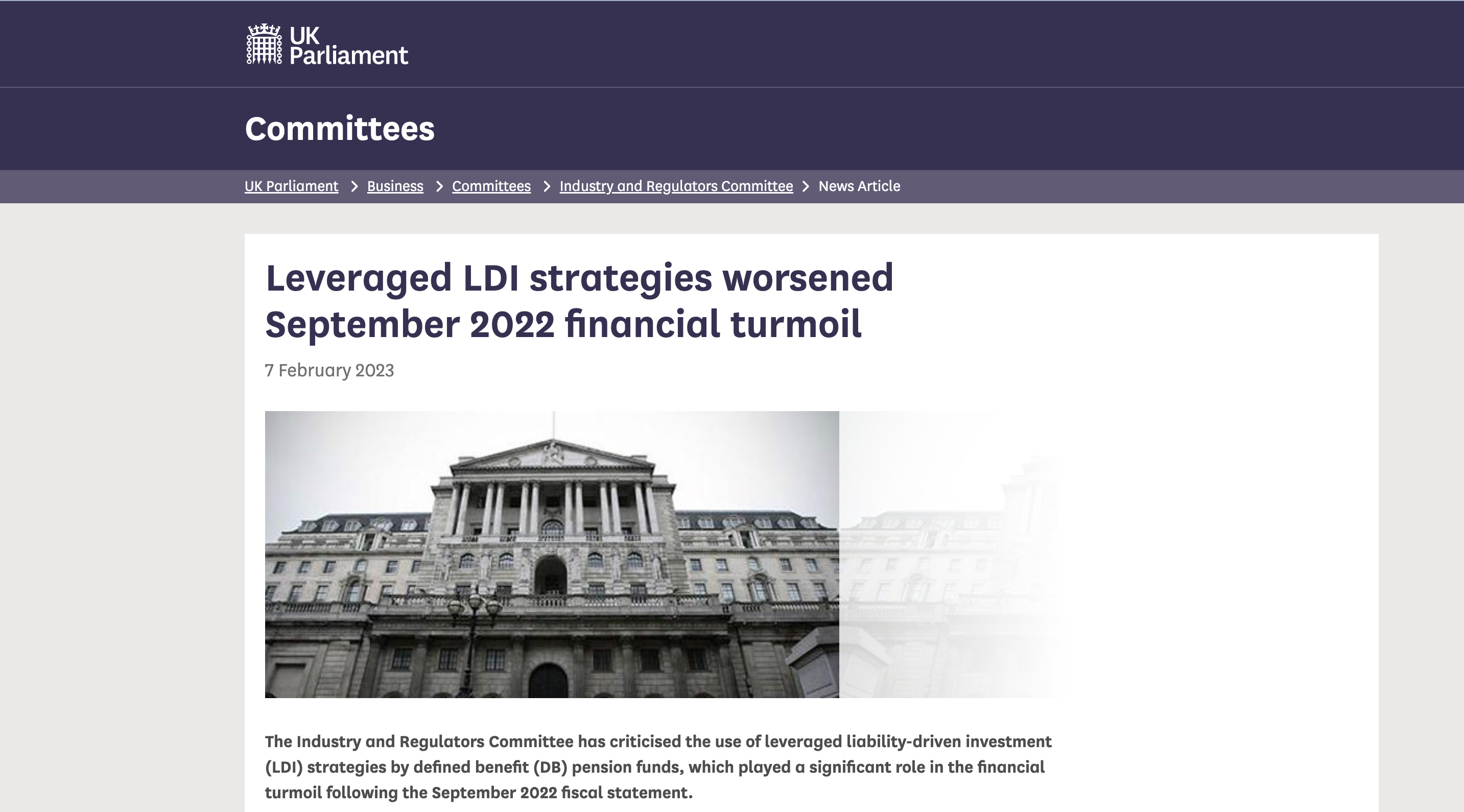
What happened next is extraordinary. Instead of losing authority for its failure, the Bank of England ended up with more power. The crisis led to calls — backed by the BoE itself and the Financial Conduct Authority — for expanded regulatory control over pension fund borrowing, collateral requirements, and cash reserves. The institution that had let the bomb build used the explosion to argue it needed a bigger remit.
But the ambition went further than financial regulation. In November 2023, the Fabian Society published a report called In Tandem: The Case for Coordinated Economic Policymaking. The report mentioned the Truss episode six times, using it as proof that the Treasury and the Bank of England could no longer be allowed to operate independently.
The report’s main proposal was a new body called the Economic Policy Coordination Committee — the EPCC. This would bring together the Treasury, the Bank of England, the Climate Change Committee, the Low Pay Commission, business groups, and various civil society organisations. The committee would meet before the Chancellor’s major budget events — the spring statement and the autumn budget — and, crucially, it would be placed on a statutory footing. That means a future government couldn’t simply ignore it without first passing a new law.
The way the Bank of England would become the senior partner in this arrangement was simple. The report proposed that the Governor should be required to write to the Chancellor whenever the Bank decided that interest rate policy alone wasn’t enough to manage the economy, effectively telling the Treasury to change its spending and tax plans. These letters, along with the committee’s published minutes, would be available to the press and the markets — creating exactly the kind of public pressure that had already been shown to bring down a sitting Prime Minister.
The Truss crisis wasn’t just used to justify the proposal. It was the template.
Step back and look at the full sequence.
The Bank of England’s low interest rates created the conditions that pushed pension funds into risky leveraged bets.
The Bank’s own regulators failed to stop the risk from growing.
When the crisis hit, it was used to remove an elected government.
After the crisis, the Bank’s regulatory powers were expanded.
And then the whole episode was cited as the reason to hand the Bank effective influence over fiscal policy — the one area that is supposed to belong to elected politicians.
At every stage, the Bank of England came out with more power than it had before. This isn’t a story of failure followed by reform. It’s a ratchet — a mechanism that only turns one way.
Whether any of this was planned is beside the point. The pension fund time bomb was allowed to build. The quantitative tightening programme was timed as it was. The IMF publicly rebuked a G7 government within four days. The Bank refused to call an emergency rate meeting, set a hard deadline on its rescue programme, and spent more money bailing out the system than the government had proposed to cut in taxes. The media declared the budget dead before anyone had run the numbers.
The result was the removal of a government whose plans didn’t fit with what the Bank of England wanted. And it is this power, the Fabian Society now openly calls for the Bank of England to be granted.
Never mind the Bank of England being responsible in the first place.


This has been the stated goal of bankers everywhere; i.e., banks control government's fiscal policies, public-private partnership, with the banks as senior and controlling partners. Mission accomplished!
Thanks. Whilst aware of the machinations I was hitherto unaware of the details. A simple circular investment ponzi, similar to what we're now seeing in the Nvidia world.