
Surveillance Capitalism

Most people think enforced laws are national. The reality differs: a network of international bodies — none created by treaty, none subject to democratic oversight — sets the rules determining who can participate economically.
These bodies operate in two stacks — surveillance and capital. One monitors the flow of transactions; the other controls what assets can be held.
Together, they leave no outside.

Executive Summary
Two interlocking systems govern who can participate in the global economy. The Financial Action Task Force, Egmont Group, and Wolfsberg Group write the rules defining suspicious activity, share intelligence between national agencies, and coordinate how private banks actually enforce compliance. The Bank for International Settlements, Financial Stability Board, and Basel Committee set the standards determining what assets banks can profitably hold.
Neither system was created by treaty requiring parliamentary ratification, and neither faces electoral accountability. But they form a single machine which monitors the flow of transactions and controls which assets are held.
These systems are converging with environmental and social governance. The same risk weights that make cryptocurrency unprofitable can penalise carbon-intensive assets. The Council for Inclusive Capitalism provides the ideological framework, committing major financial institutions to ESG metrics and climate targets.
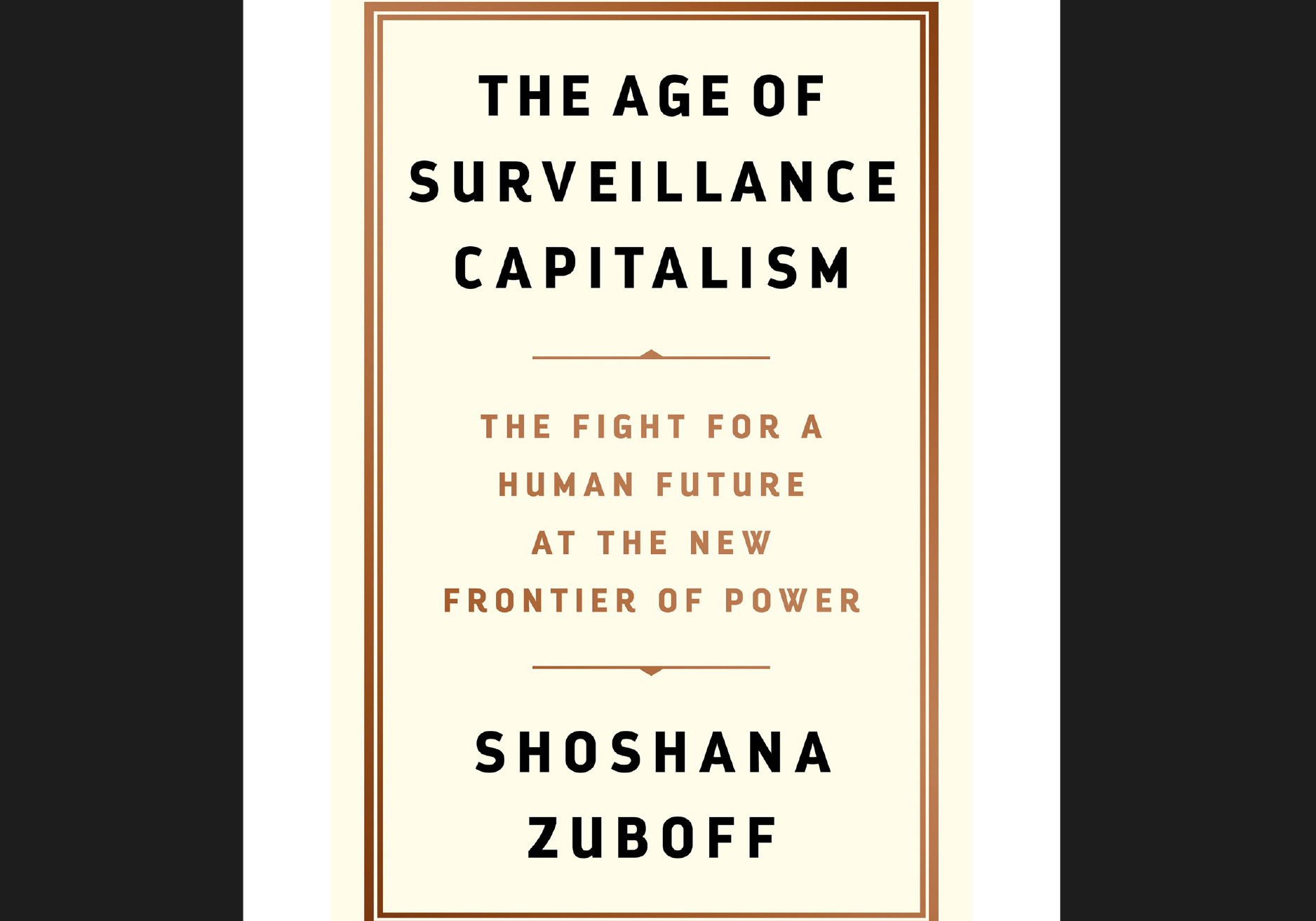
Shoshana Zuboff’s influential account of surveillance capitalism described tech platforms harvesting behavioural data to sell predictions to advertisers. But Zuboff’s account stops at the advertising market and never reaches the architecture that determines whether you can transact at all.

The Surveillance Stack
Three bodies form the core of global financial surveillance, and they were created in sequence: intergovernmental policy first, intelligence sharing second, corporate enforcement third.
FATF: The Grammar (1989)
The Financial Action Task Force writes the rules. Its forty recommendations define what counts as suspicious activity, what information must be collected, what must be reported, and to whom. These recommendations are technically voluntary, but the grey list and black list system makes compliance mandatory. Countries that fail to implement FATF standards face restricted access to international banking — a punishment most economies cannot survive.
FATF was created by G7 announcement, not by treaty1. It has expanded its mandate repeatedly — from drug money to terrorist financing to weapons proliferation to environmental crime — without returning to any legislature for approval.

Egmont Group: The Signal (1995)
The Egmont Group2 connects a global network of Financial Intelligence Units (FIU)345 — the national agencies that receive and analyse suspicious activity reports. When a bank files a report, it flows to the national FIU. When an FIU identifies a pattern worth sharing, Egmont provides the channel to distribute that intelligence internationally.
A flag raised in Frankfurt can reach Washington, Singapore, and Sydney within hours. The system operates below the threshold of public judicial scrutiny — a shadow layer where financial exclusion can occur long before any criminal case is tested in open court.
Wolfsberg Group: The Enforcement (2000)
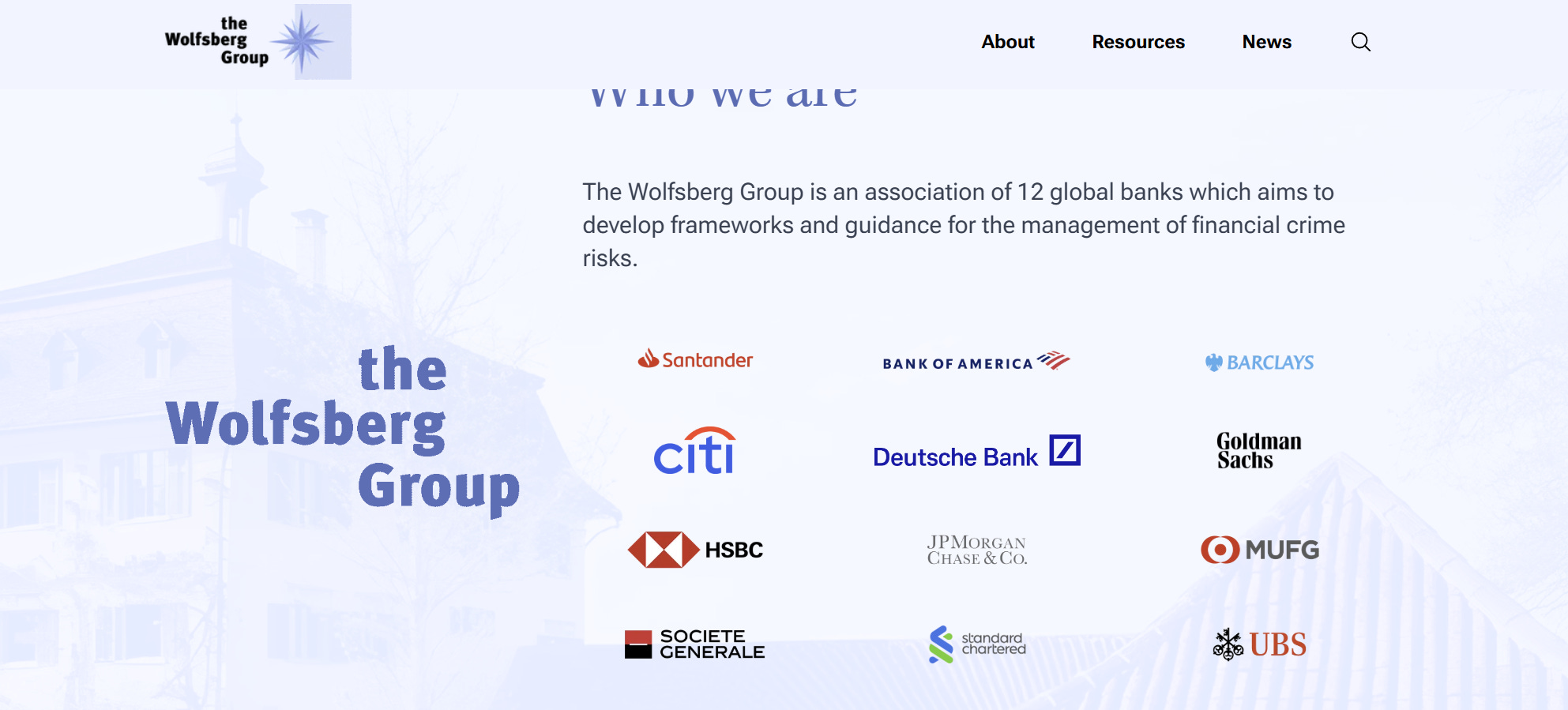
The Wolfsberg Group6 — a consortium of major global banks including JPMorgan, HSBC, Barclays, Deutsche Bank, and UBS — coordinates anti-money laundering standards across the banking sector.
When FATF issues a recommendation, Wolfsberg determines how banks actually implement it: what software they use, what thresholds trigger alerts, what due diligence procedures they follow, which customers they refuse. Wolfsberg’s guidance on ‘Politically Exposed Persons’7 effectively defines which professions and nationalities are deemed high-risk globally. The ‘de-risking’ phenomenon — banks exiting entire categories of customers — flows from this coordination.
Wolfsberg has no legal authority and needs none. When the world’s largest banks agree on a standard, that standard becomes the industry norm. Smaller banks follow or lose correspondent relationships — and ultimately, access to US dollar clearing. The private sector — terrified of losing this access or facing multibillion-dollar fines from US Treasury — enforces compliance more efficiently than any regulator could.
The Cascade
The order matters: intergovernmental (FATF) → intelligence (Egmont) → corporate (Wolfsberg) → individual. By the time the system reaches you, three layers of unelected authority have already determined your fate.
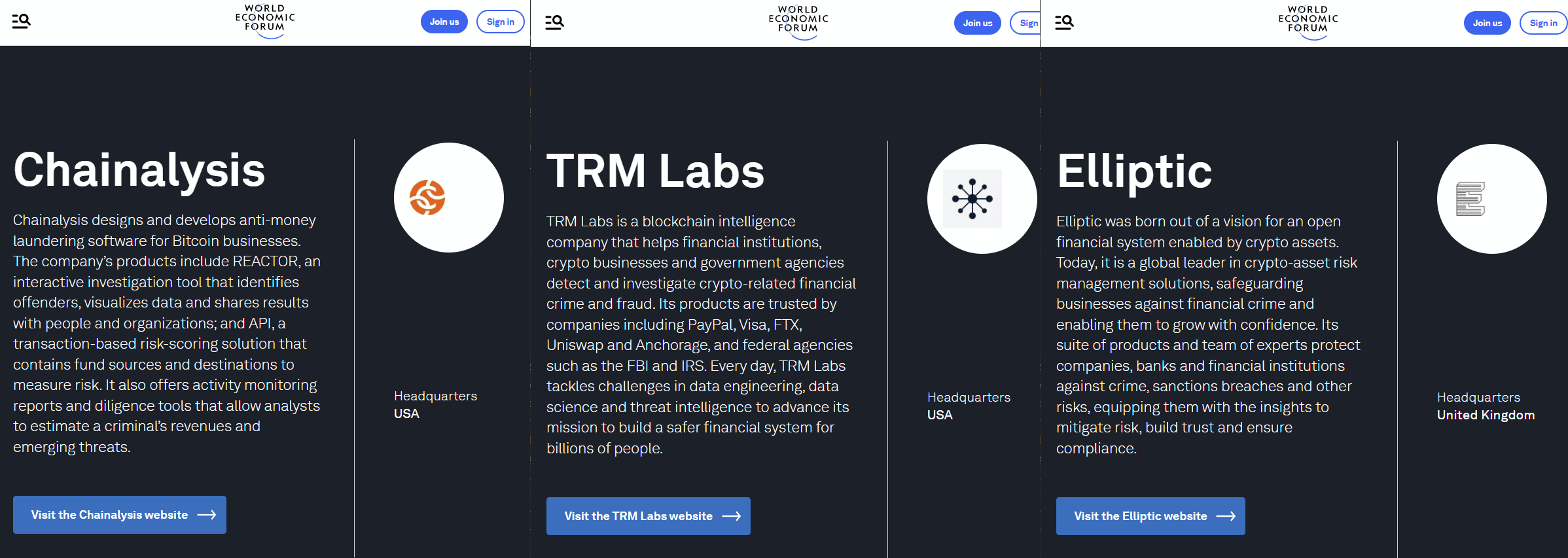
The analytics firms — Chainalysis89, TRM Labs1011, Elliptic1213 — feed into this cascade at every level, providing blockchain surveillance for bank screening, wallet attribution for FIU intelligence sharing, and algorithms trained on FATF typologies. A private company’s risk assessment is functionally treated as adjudication by downstream actors — without the due process that actual adjudication requires.
The Capital Stack
The surveillance stack monitors the flow of transactions. The capital stack controls what assets institutions can hold and on what terms.
Bank for International Settlements: The Apex
The Bank for International Settlements is the central bank of central banks. Founded in 1930, it predates the IMF, the World Bank, and the United Nations.
BIS provides permanent infrastructure for central bank coordination: hosting meetings, conducting research, and — critically — housing the committees that set global banking standards. It enjoys sovereign immunity; Swiss authorities cannot enter its premises without permission, and its assets cannot be seized by any national government. When central bank governors meet in Basel, typically without meaningful public minutes, they govern the apex of the global financial system, answerable to no parliament.

Financial Stability Board: The Coordinator
The Financial Stability Board, created by the G20 in 200914, coordinates financial regulation across jurisdictions and identifies systemic risks. FSB is small, but it coordinates between the standard-setting bodies: Basel Committee for banking, IOSCO for securities15, IAIS for insurance16, FATF for anti-money laundering.
FSB is housed at the BIS. It has no independent legal personality, no sovereign immunity, no permanent existence apart from its host. If BIS is the temple, FSB is the high priest — powerful, but dependent on the structure that houses it. Senior central bank officials rotate through BIS committees, shape FSB priorities, chair Basel working groups, then return home to implement the resulting standards domestically — the same policy community wearing different institutional hats.

Basel Committee: The Capital Rules
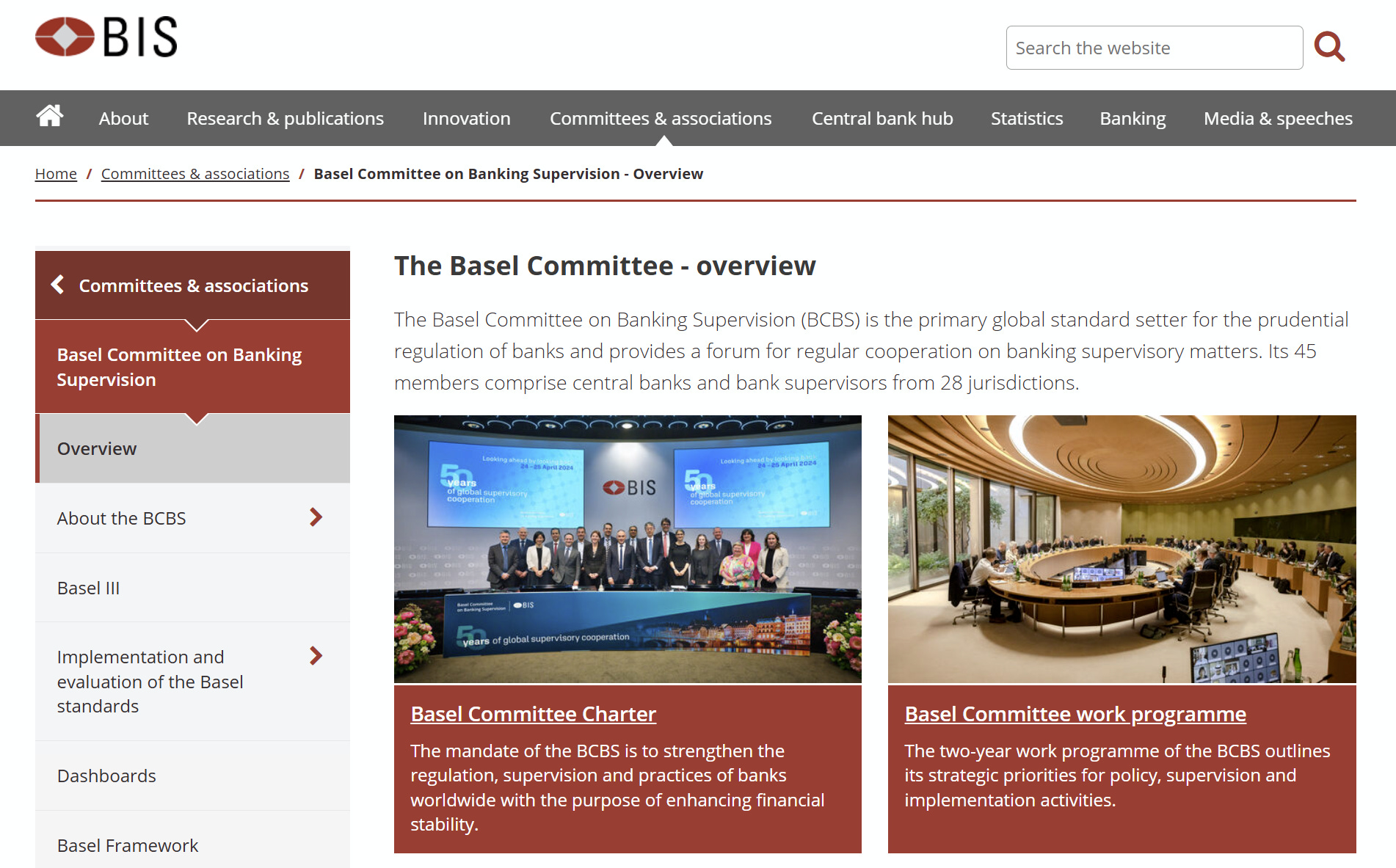
The Basel Committee on Banking Supervision17 writes the capital rules determining how much money banks must hold against different asset types. Capital requirements work through incentives: if regulators require more capital against a particular asset class, banks hold less of it because it’s unprofitable.
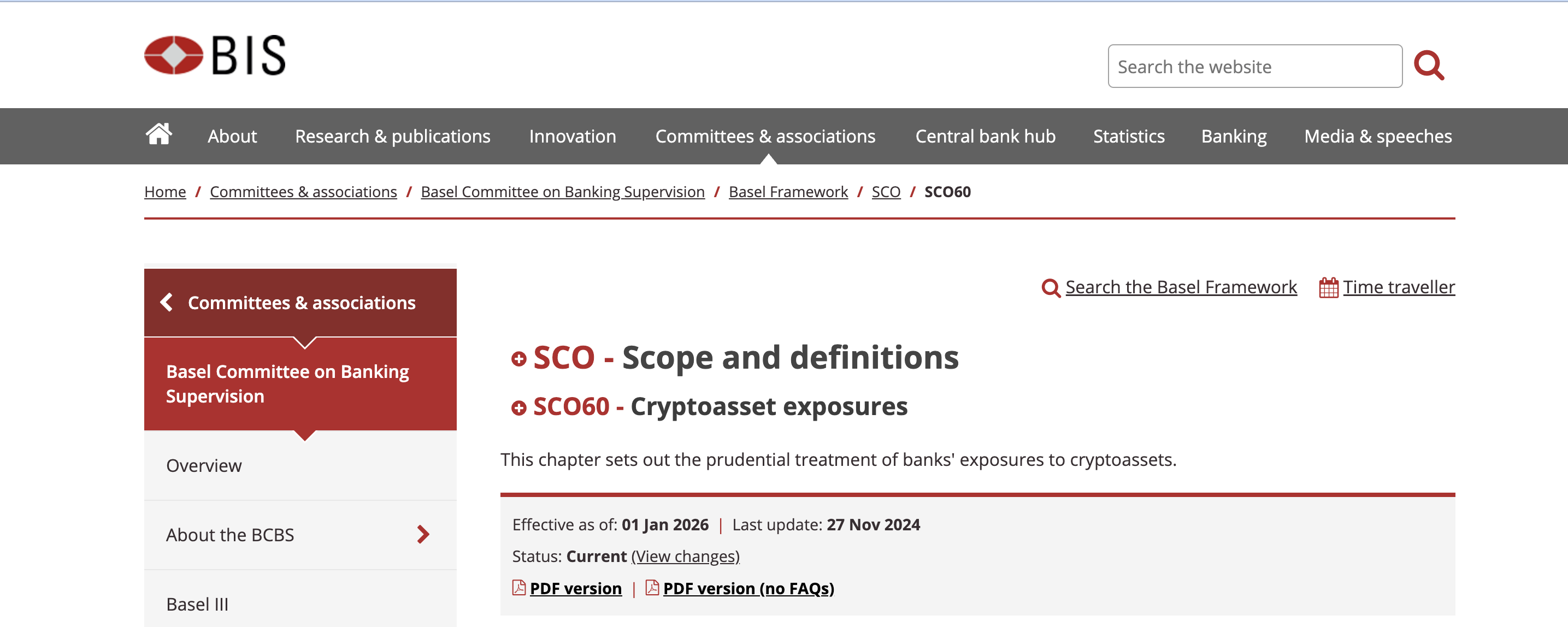
The Basel Committee’s crypto standard (SCO60)18 assigns ‘Group 2’ cryptoassets — Bitcoin and virtually all decentralised tokens — a 1,250% risk weight. Combined with Basel’s 8% minimum capital ratio, this produces a 100% capital requirement: dollar for dollar, no leverage permitted on cryptocurrencies.
  Asset               Risk    $100m Capital     $100M Capital
Class               Weight   requirements     Supports
-----------------   ------   --------------   ----------------------
Sovereign bonds         0%               $0   Unconstrained by RWAs
Covered bonds          10%         $800,000   $12.5 billion
Corporate loans       100%       $8,000,000   $1.25 billion
Bitcoin (Group 2)   1,250%     $100,000,000   $100 million
Banks deploy capital across the balance sheet — but a dollar not consumed by crypto can simultaneously support mortgages, corporate loans, and trading operations. For sovereign bonds, capital is not the binding constraint. For Bitcoin, it’s 1:1.
The same $100 million in capital that supports only $100 million in Bitcoin could support over $1 billion in conventional lending.
Note that sovereign bonds at 0% is itself a political choice, encoding the assumption that governments cannot default. The entire risk-weight system reflects policy preferences.
SCO60 was written by unelected officials in Switzerland, endorsed by G20 in a communiqué paragraph, and implemented by national regulators as ‘technical alignment with international standards’. The policy that made Bitcoin institutionally irrational never appeared on a ballot.
The Rubber Stamp
G7 and G20 summits serve as legitimacy theatre. FSB identifies priorities, standard-setting bodies draft rules, technical experts finalise them in committee — only then do G20 leaders ‘call for’ implementation, endorsing decisions already made.
The 2010 G20 Seoul Summit communiqué ceremonially ‘endorsed’ the Basel III framework in a single paragraph19. The Basel Committee had already finalised the rules over years of technical negotiation.
By the time a national parliament might consider the implications, the standard is already international obligation. Deviating from Basel means higher borrowing costs, reduced banking access, and potential grey-listing by FATF.
The architects would argue that financial stability is too important for short-term political cycles, that democratic volatility caused the crises these institutions exist to prevent. The counterargument is that decisions affecting billions should not be made by committees facing no electoral accountability.
The global economy is quietly restructured without democratic input.

The Environmental Connection
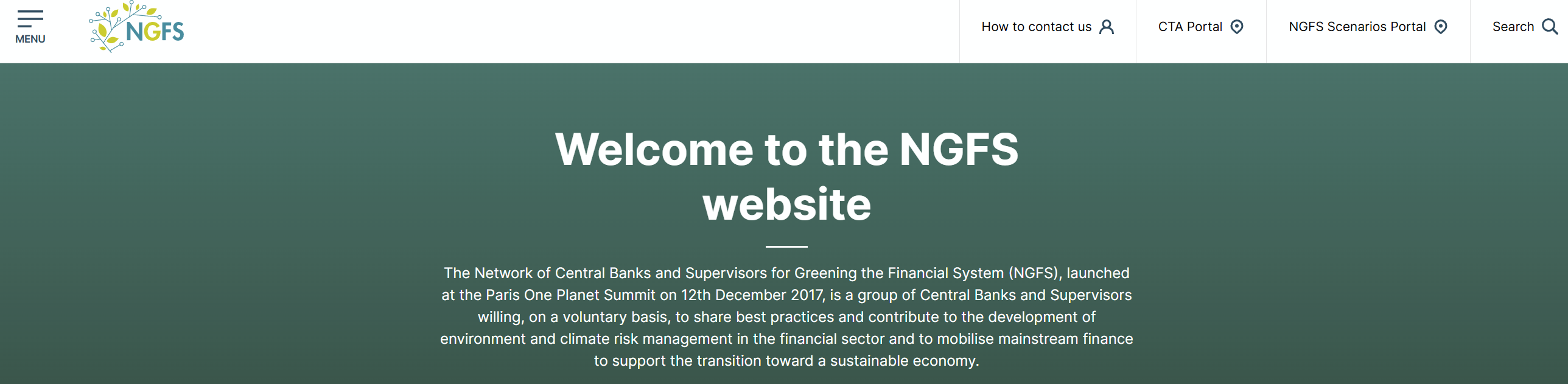
In 2017, eight central banks created the Network for Greening the Financial System. NGFS20 has since grown to over 130 members, including the Federal Reserve, ECB, and Bank of England, with a mandate to integrate climate risk into financial supervision.
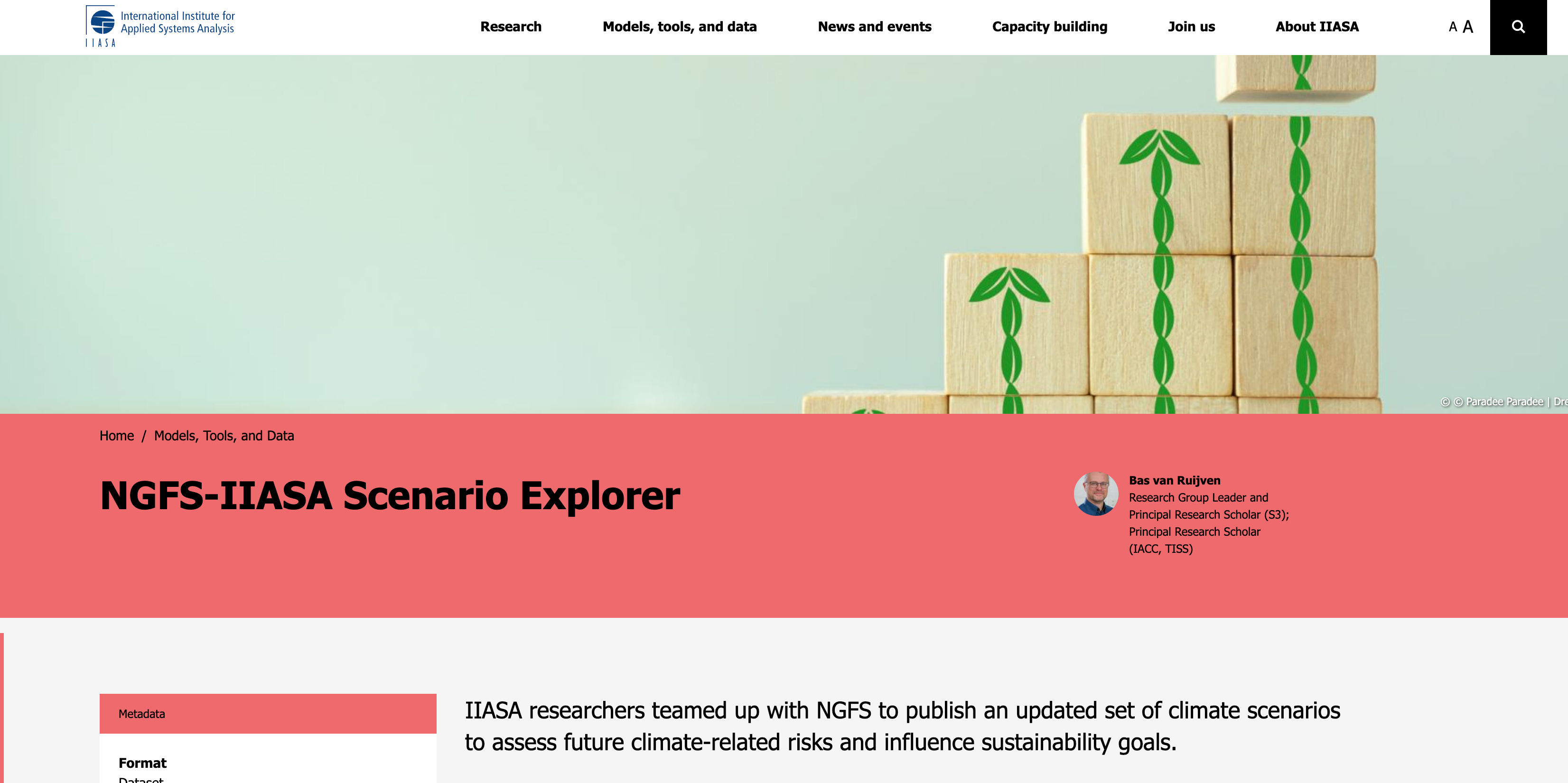
NGFS operates within the BIS/FSB ecosystem. Its scenarios inform stress tests, its recommendations shape disclosure requirements, and its definition of ‘climate-related financial risk’ determines what banks must measure and report. The logic: climate change poses risks to financial stability; central banks must preserve financial stability; therefore central banks must address climate change. The mandate expands without any change to underlying law, and risk weights affecting cost are adjusted on the basis of long-term environmental predictions, produced by 'black box' modelling.

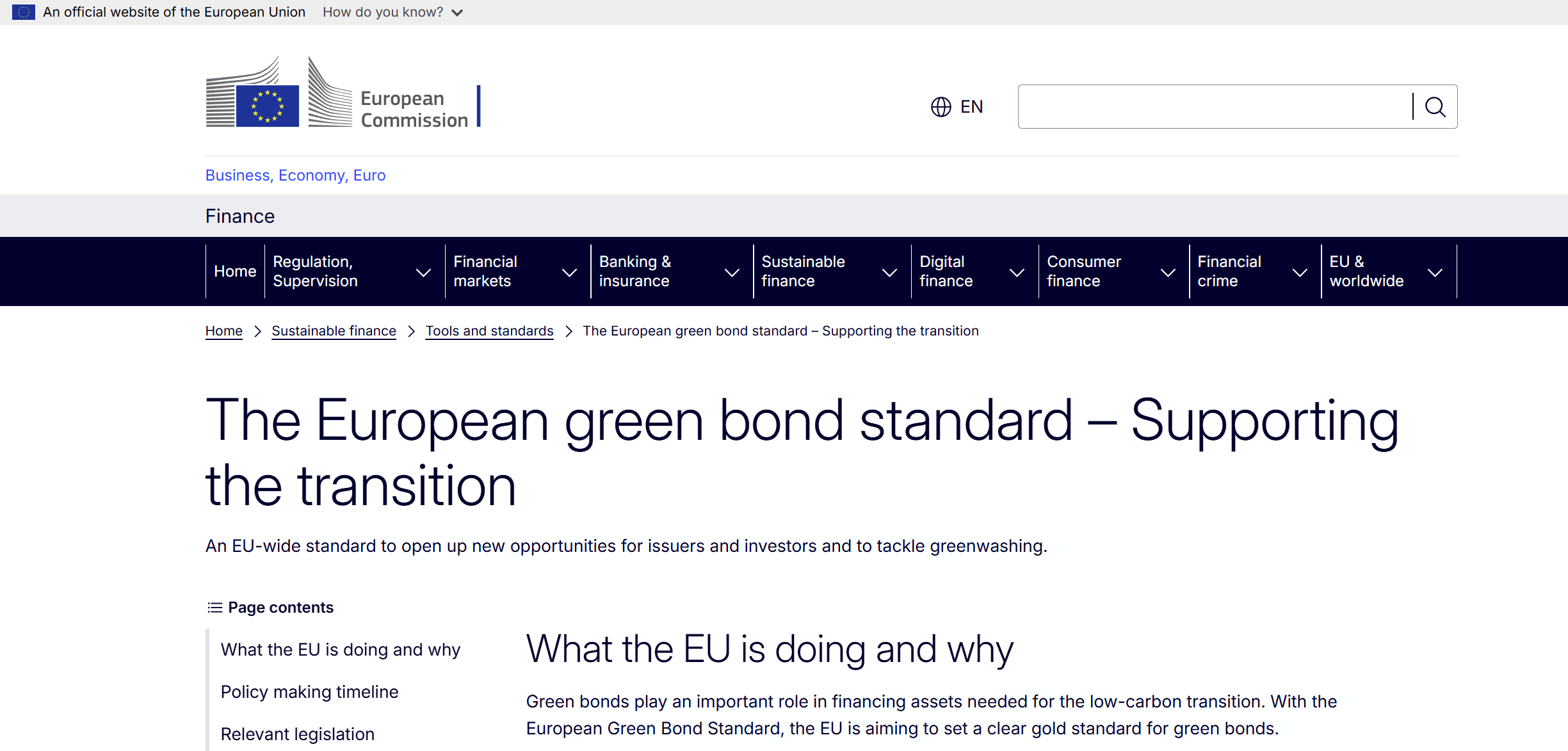
The green bond market21 is where this architecture meets capital flows. Over $500 billion in green bonds are now issued annually22, but what qualifies as ‘green’ is defined by taxonomies shaped by NGFS-aligned frameworks23. The EU Green Bond Standard24, for instance, ties eligibility to the EU Taxonomy — itself informed by NGFS climate scenarios.
Banks holding green bonds may eventually receive favorable capital treatment; banks holding ‘brown’ assets may face penalties through higher risk weights. The architecture doesn’t just monitor — it steers capital toward approved activities and away from disfavored ones.
Since 2019, FATF has treated environmental crime as a priority area25. The same infrastructure that tracks terrorist financing can now track environmental offences. The same grey list punishing non-compliance with anti-money laundering standards can punish non-compliance with environmental standards. Firms providing blockchain forensics can apply the same toolchain to tokenised carbon credits. The infrastructure is flexible.
The Convergence
The 1989 G7 communiqué that created FATF also endorsed the IPCC, called for what became the UNFCCC climate treaty, and mentioned debt-for-nature swaps26. Financial surveillance and environmental governance appeared together in the same founding document — two rails built by overlapping networks using identical mechanisms.
For thirty years those rails ran parallel, using similar tools — standard-setting bodies, compliance frameworks, economic pressure — but addressing different domains. The NGFS integration and FATF’s environmental crime expansion mark the convergence point. The capital rules that discipline banks can discipline environmental non-compliance through risk weights.
The Council for Inclusive Capitalism, launched in 2020 with Vatican partnership27, makes this convergence explicit. Its members — BlackRock, State Street, Bank of America, Mastercard — are the same institutions implementing Basel capital rules and Wolfsberg AML standards. The Council commits them to ‘stakeholder capitalism’ metrics: ESG scores, climate targets, social impact measurements.
The technical architecture and the ideological framework now share the same institutional membership. What began as anti-money laundering compliance has become a vehicle for coordinated social and environmental governance.

The structure would have been familiar to Moses Hess. Hess envisioned Rome’s spiritual authority legitimising economic reorganisation toward collective ends. The Vatican-BlackRock partnership is that synthesis realised — religious imprimatur for financial institutions coordinating social outcomes through capital allocation.
The same infrastructure serves both purposes because the logic of control is universal: define the standard, verify through the gatekeeper, enforce conditional access — a pattern hidden in plain sight.


The Architecture in Action
Two examples show how the architecture operates.
The Carbon Signal
A European bank considers financing a coal-fired power plant in Southeast Asia.
NGFS originates the signal — publishing scenarios28 showing coal assets face ‘black box’ modelled ‘climate-related financial risk’29.
FSB amplifies — elevating climate risk as a systemic priority30, framing it for Basel to consider in capital frameworks, coordinating with IOSCO on disclosure requirements.
Basel translates to capital — ongoing work suggests carbon-intensive exposures may warrant higher risk weights as ‘transition risk’31. The bank’s risk team flags the project as potentially requiring additional capital.
FATF adds surveillance — environmental crime is now a priority32. Compliance must conduct enhanced due diligence: beneficial owners, corrupt permitting connections, illegal land clearance, sanctions exposure, supply chain jurisdictions.
Wolfsberg operationalises — AML procedures now include environmental red flags33. Screening vendors extend their tools to cover deforestation risk and carbon offset integrity.
The decision is made almost immediately. The project may be legal, profitable, and useful. But the cumulative weight — capital risk, disclosure requirements, compliance burden, reputational exposure — makes financing structurally unattractive. The bank simply declines.
The Crypto Kill
Basel’s crypto standards were finalised in 202334, with implementation beginning January 2025 and phased rollouts extending into 202635. Banks started exiting crypto services in 2024, anticipating the deadline36.
This anticipatory effect is itself enforcement: by formal implementation, the industry has aligned, making opposition challenging.
Basel issues SCO6037 — assigning ‘Group 2’ cryptoassets a 1,250% risk weight. Dollar-for-dollar capital requirements.
G20 endorses38 — the standard appears in Finance Ministers communiqués under ‘Strengthening Financial Stability’. Leaders approve the standard without reading the detail.
National regulators implement — the Fed, ECB, and others translate Basel into domestic rules39.
Banks do the math — $100 million in Bitcoin requires $100 million in capital that could support $500 million to $1 billion in lending. Market-making becomes prohibitively expensive.
Wolfsberg guidance shapes the exit; peer convergence executes it — banks share compliance approaches through industry channels. The consensus: avoid direct exposure to unhosted wallets and privacy-preserving transactions.
Analytics firms enforce the perimeter — Chainalysis, TRM Labs, and Elliptic screen transactions. Wallets that touched mixers or sanctioned addresses get flagged, typically triggering enhanced scrutiny or rejection40.
The individual discovers the wall. Marcus in Kansas holds Bitcoin from peer-to-peer trades in 2013. He tries to sell through a compliant exchange to buy a house. His wallet is flagged. Source of funds documentation requested. His records are incomplete — platforms no longer exist, counterparties unidentifiable, communication channels deleted. The transaction is declined.
Marcus still holds his Bitcoin. But he cannot use it to buy a house, pay for healthcare, or leave it to his children without triggering the same apparatus.
The trap closes without a ban. No law prohibits Marcus from owning Bitcoin. The architecture simply makes it impossible to convert his assets into real-world utility. Prohibition through infrastructure, not legislation.
Conclusion
What this means:
It’s comprehensive. The surveillance stack monitors flows through suspicious activity reports41, FIU networks, and analytics screening. The capital stack controls stocks through risk weights and reserve requirements. Together they reach every financial activity.
It’s undemocratic. None of these bodies was created by treaty requiring parliamentary ratification. None faces electoral accountability. Central bankers, technical experts, and private coordinators set rules enforced through grey lists and capital charges — not legislation.
It’s convergent. Financial surveillance, capital regulation, and environmental governance are merging. The same infrastructure can enforce any compliance standard its operators prioritise — from terrorist financing to carbon emissions. Open-ended mandates ensure new priorities require no legislature42.
The rules were written in Basel, coordinated by FSB, implemented through FATF and Wolfsberg, endorsed ceremonially by G20, enforced by private banks and analytics firms. They cannot be reversed through elections.
The same pattern also operates domestically, not least through the Fabian Society: missions define the standard, accredited intermediaries verify compliance, conditional access to money and permissions follows.
Democracy is not in the chain of authority.

Shoshana Zuboff’s Surveillance Capitalism43 described the commercial layer: tech platforms harvesting behavioral data to predict and modify behavior for advertisers. But Zuboff’s account stops at the advertising market.
It doesn’t discuss the architecture that determines whether you can transact at all.


Find me on Telegram: https://t.me/escapekey
Find me on Gettr: https://gettr.com/user/escapekey
Bitcoin 33ZTTSBND1Pv3YCFUk2NpkCEQmNFopxj5C
Ethereum 0x1fe599E8b580bab6DDD9Fa502CcE3330d033c63c
oh i get it (i think) - Zuboff wants to tame the private system by embedding it in a steering framework legitimised by thr public
and that requires a clearinghouse to negotiate between public and private... yeah i see where this is going.
that was fun.
https://escapekey.substack.com/p/own-nothing-control-everything?utm_source=publication-search
this was an interesting read. i disagree about it being 'capitalism'... more like 'inclusive capitalism'... but interesting nevertheless
https://thebaffler.com/latest/capitalisms-new-clothes-morozov
Picture this, if you haven't already ESC: the PCR tests were a lot of things, but among the main ones was to harvest everyone's DNA.
This was their gold mine because among other things which i wont go into, they are using people's genetic dispositions fused with the virtual version of themselves (the totality of every data point ever collected) to determine their future actions.
Surveyllance capitalism on steriods and all fed into:
Apex Game Theory Meet the Sentient World Simulator: Where A Version of U is Acting Out Ur Life: https://old.bitchute.com/video/RP73kmMz64Vc [12mims]
Selling ulrra-targeted advertising is the happy-go-lucky aspect of this. What it is really about is sinister beyond words.
You probably already know all this and way more, thank you for being a watcher on the wall, ESC