
Pergamon Press

Robert Maxwell’s company, Pergamon Press, was one of the most successful academic publishing businesses of the 1900s. He started it in 1951 with just a few journals, and by the time it was sold to Elsevier in 1991 for £440 million, it had grown to over four hundred journals covering nearly every area of science and technology.
Maxwell is mostly remembered as a powerful media boss and a con man. But he’s also known as one of the most well-documented secret agents of the Cold War.
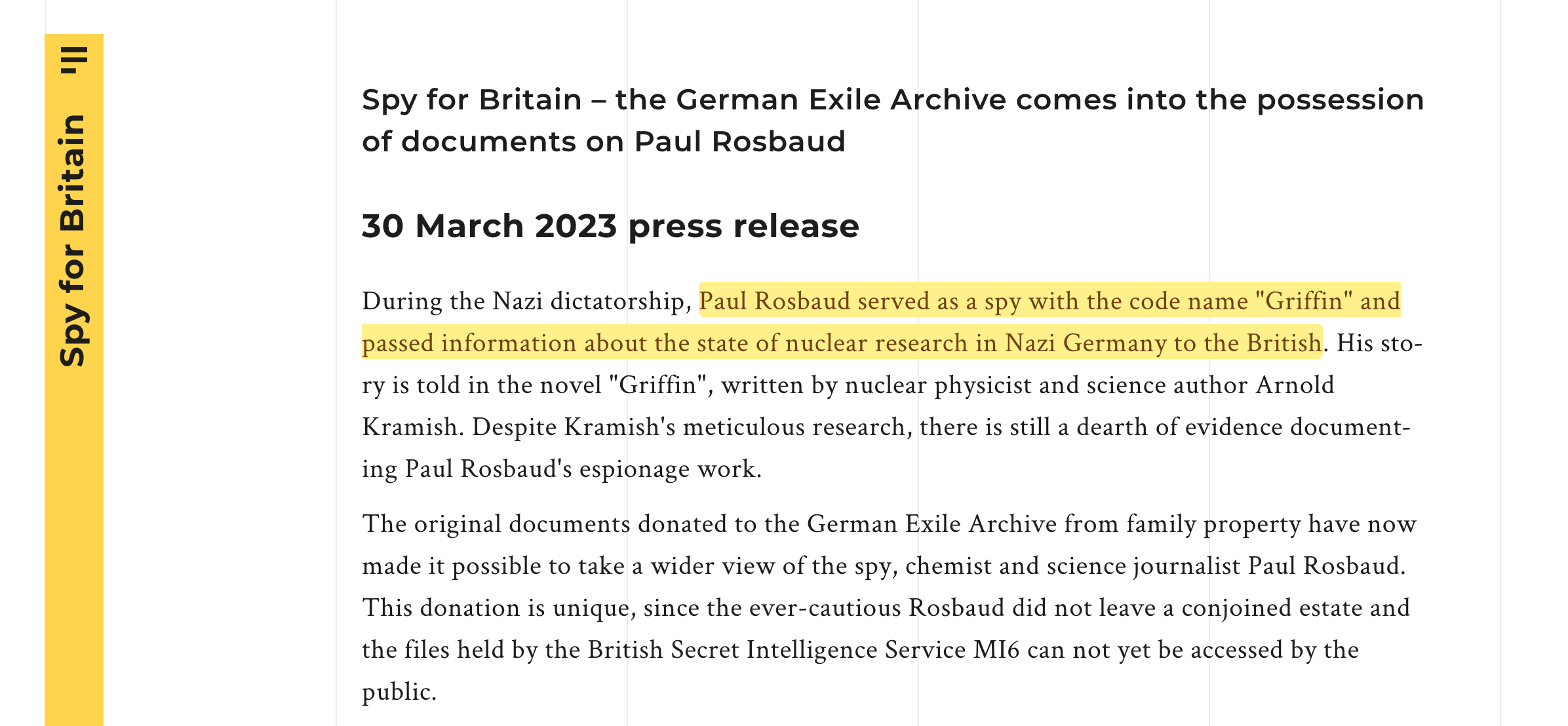
The spy connections didn’t start with Maxwell. They were there from the very beginning. Before Pergamon Press existed, a company called Butterworth-Springer1 was established after the Second World War as a platform for Paul Rosbaud — an Austrian scientist who had worked as an editor at the German publishing company, Springer Verlag. What most people didn’t know was that Rosbaud was also one of Britain’s most important spies during the war, known by the codename ‘The Griffin’2.
The company had a board of advisors made up of some of the biggest names in British science, including Sir Alexander Fleming3, the man famous for discovering penicillin. During the war, Rosbaud had secretly passed information to the British intelligence service MI6 about Germany’s nuclear weapons program, their V-2 rockets, and other military projects4.
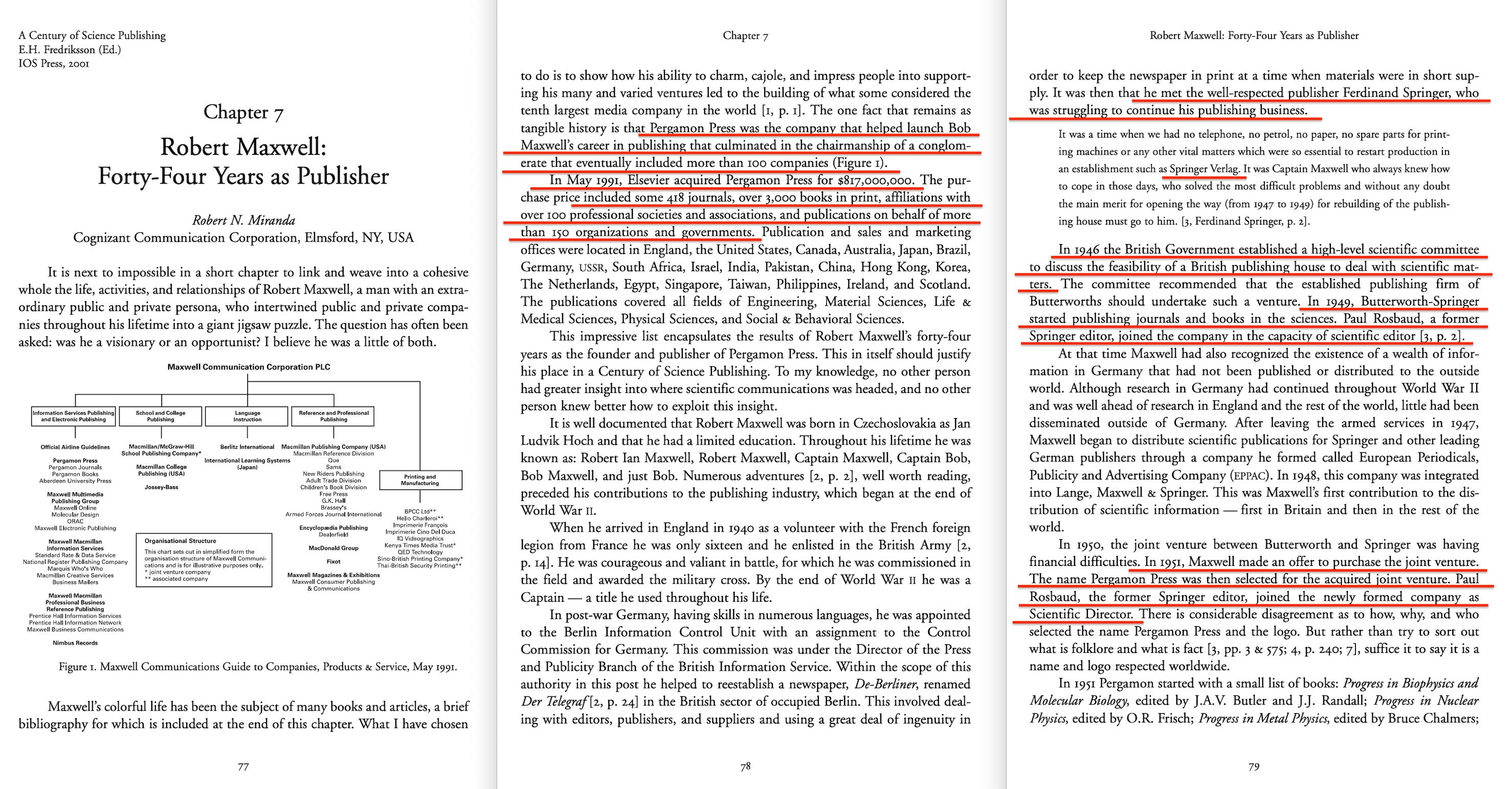
When Maxwell bought Butterworth-Springer in 1951 for £13,000, Rosbaud kept a 25% stake in the company and became its scientific director5. The two worked side by side until 1956, when Rosbaud left after a falling out. Maxwell later acknowledged that Rosbaud was ‘an outstanding editor’ who taught him a lot about the publishing business in the early days6. So from day one, the company that would become Pergamon Press was a partnership between a known British spy and a man who would later be revealed as a spy for Israel.
But what most people have overlooked is the actual journals Pergamon chose to publish. When you look at the full list of Pergamon’s journals not as a business, but as a collection of knowledge, a pattern appears. It’s a pattern that’s hard to explain if Maxwell was just trying to make money.

The Catalogue
Pergamon’s journals fall into seven clear groups. Each group matches up with a different piece of what you could call a ‘governance toolkit’ — basically, the knowledge you’d need to understand, predict, and control large, complex systems.
Cybernetics and Control Theory
Cybernetics is the study of how systems control and regulate themselves — a science of steering7. Pergamon published key books in this field, including work by Heinz von Foerster on how systems organise themselves without anyone telling them what to do, and Gordon Pask’s research on how machines could learn and adapt.
One especially interesting name is Stafford Beer. In 1971, Beer went to Chile and built Project Cybersyn for the country’s president, Salvador Allende8. It was essentially an attempt to run an entire nation’s economy using cybernetic principles. A decade before Chile, Beer’s early ideas about automated factories9 were published by Pergamon in the same book as von Foerster’s work.
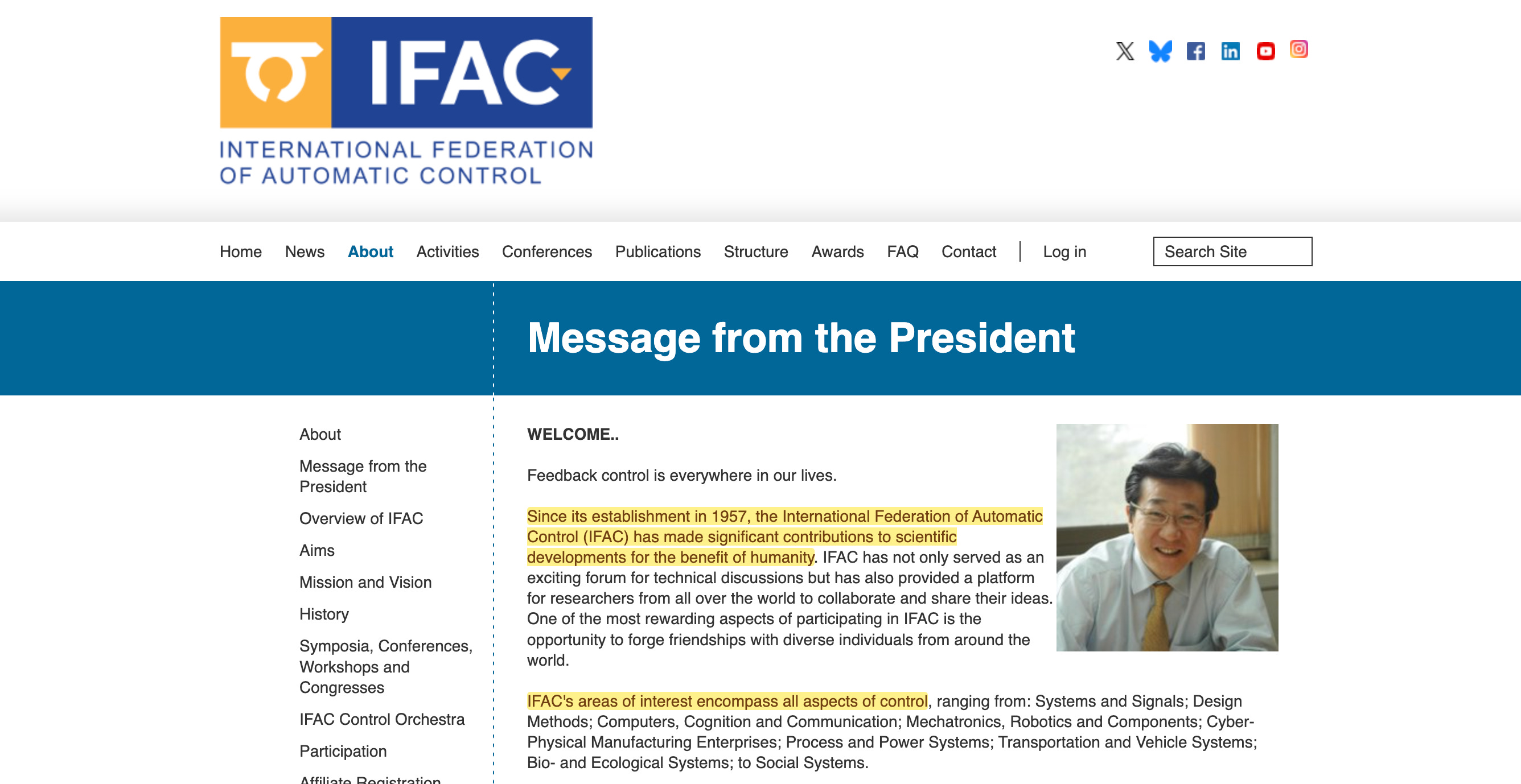
But the biggest deal was that Pergamon held the publishing contract for Automatica10. This was the official journal of IFAC — the International Federation of Automatic Control11 — the global organisation that sets the rules for automatic control systems everywhere. The journal started in 1963 and became IFAC’s official publication in 1969. IFAC itself was created in 1958, during the Cold War, as a way for scientists from both Western and Eastern countries to work together.
It’s headquartered in Laxenburg, Austria, which also hosts the IIASA12.


Futures, Forecasting, and Planning
Pergamon published Futures, which was the world’s first academic journal about predicting and planning for the future. It launched in 1968 — the same year the Club of Rome was founded, the same year the UNESCO Biosphere Conference took place in Paris13, and the same year Maxwell secretly met with KGB head Yuri Andropov in Moscow14.
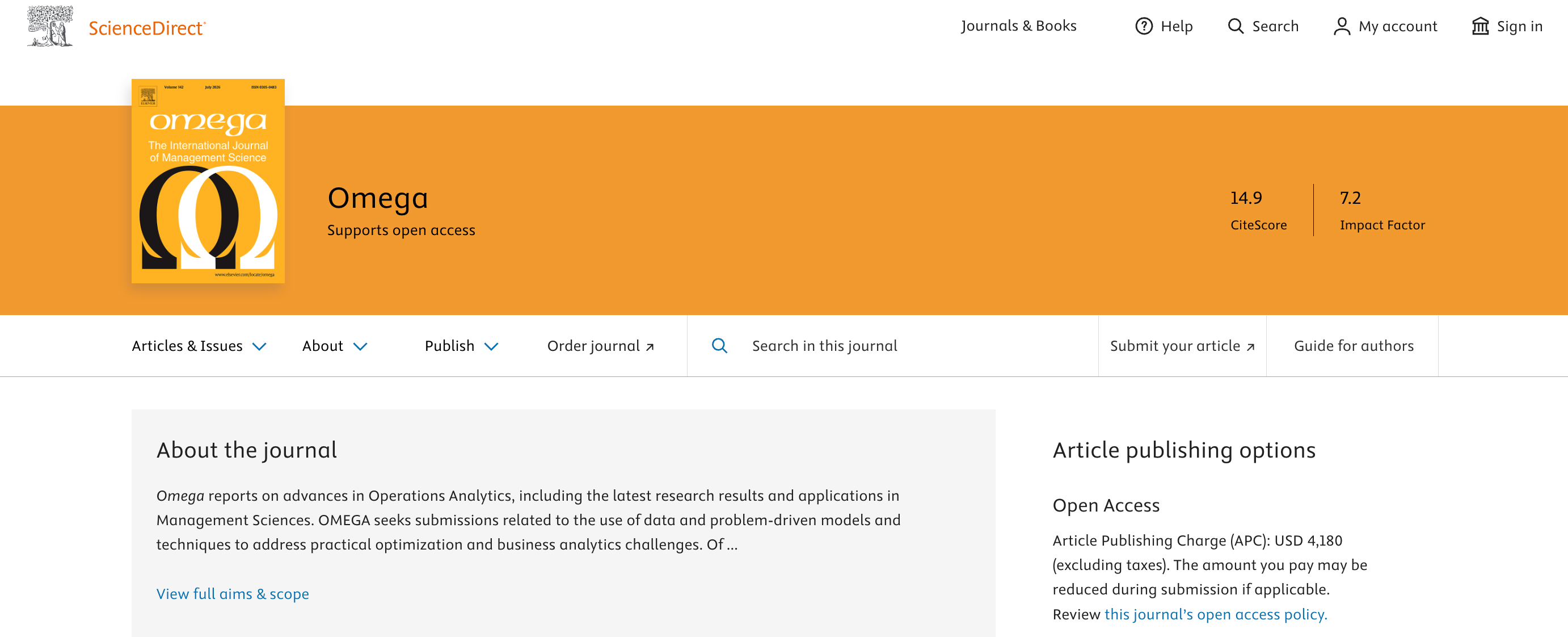
A year earlier, in 1967, Pergamon started Socio-Economic Planning Sciences15, a journal about using math and data to help governments make better decisions. Then in 1973 came Omega: The International Journal of Management Science16, which was about connecting mathematical models to real-world management problems.
In short, Pergamon was publishing on how to anticipate what’s coming and plan for it on a large scale.


Development and Governance
In 1973, Pergamon launched World Development17, which became one of the most widely referenced journals in the field of development economics — the study of how poorer countries grow and improve. Today it’s ranked in the top five journals in the world for planning and development. This journal influences how experts think about, measure, and manage development across poorer countries in Africa, Asia, and Latin America.
Its founding editor, Paul Streeten18, was Deputy Director-General of Economic Planning at the UK Ministry of Overseas Development, a senior adviser to the World Bank, and later a contributor to the UNDP’s Human Development Report. Through World Development, Pergamon became the primary academic platform for debating the New International Economic Order19 — the 1974 UN programme that restructured global development around McNamara’s conditional aid20 continuation of PPBS21, managed through the World Bank and the public-private-civil society partnership model that would later be formalised as ‘The Third System’ and eventually Wolfgang Reinicke’s ‘trisectoral networks’.
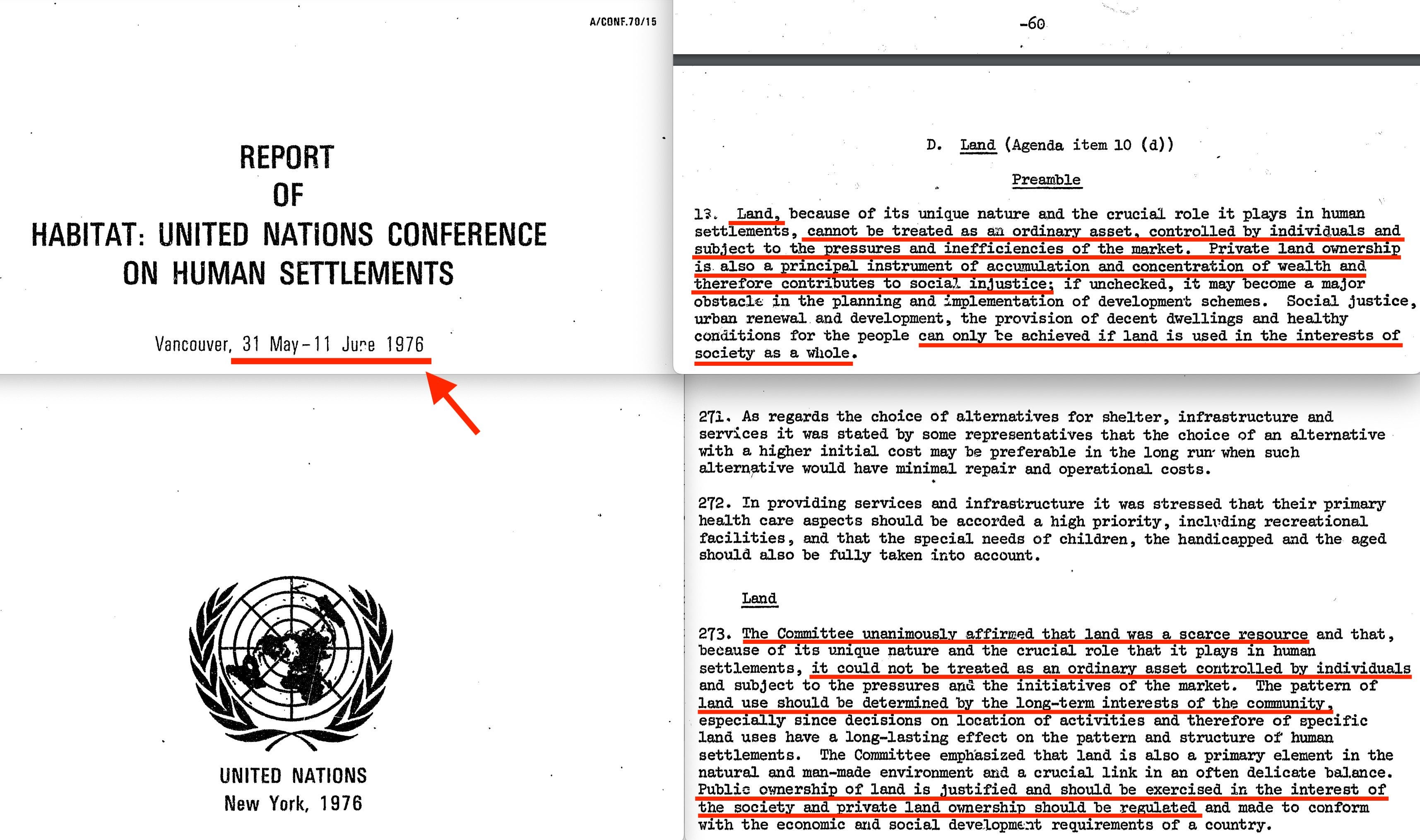
Pergamon also published Habitat International22 — a journal whose subject matter aligned directly with the 1976 UN Habitat conference in Vancouver23, which recommended public control of land use and stated that private ownership of land was a ‘principal instrument of wealth concentration’.
Progress in Planning24, meanwhile, covered the broader field of planning research.


Energy, Environment, and Resources
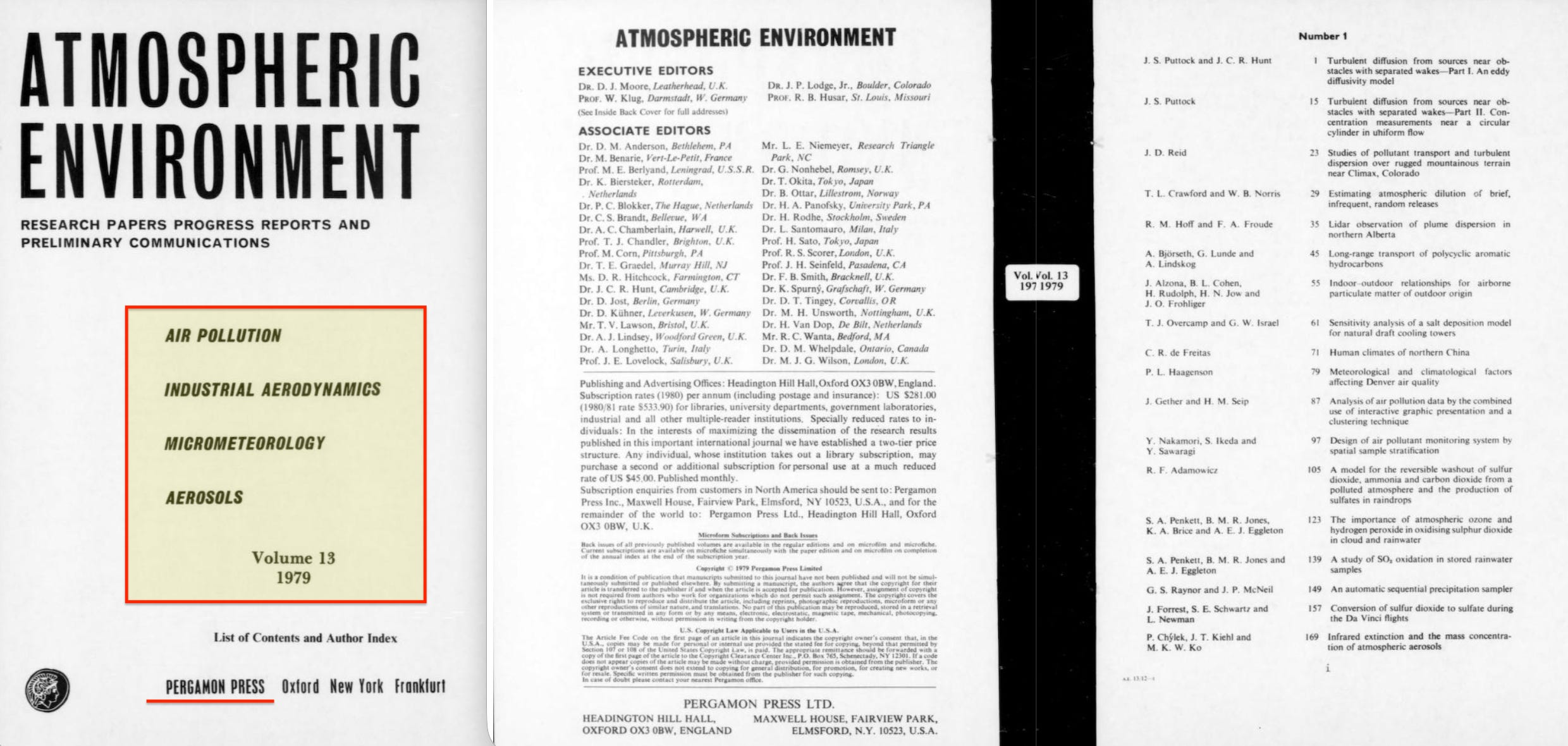
Pergamon published a whole collection of journals about energy and the environment, including Energy Conversion and Management25, Progress in Nuclear Energy26, and Atmospheric Environment27.
But Atmospheric Environment had been running since the late 1950s under the title of the International Journal of Air Pollution2829 — a full ten years before the Club of Rome made the public aware that the planet’s resources had limits. In other words, Maxwell was publishing scientific theory about what was happening in our atmosphere before most people had ever heard claims of acid rain, the hole in the ozone layer, or the idea that humans could change the climate30.

The Club of Rome.
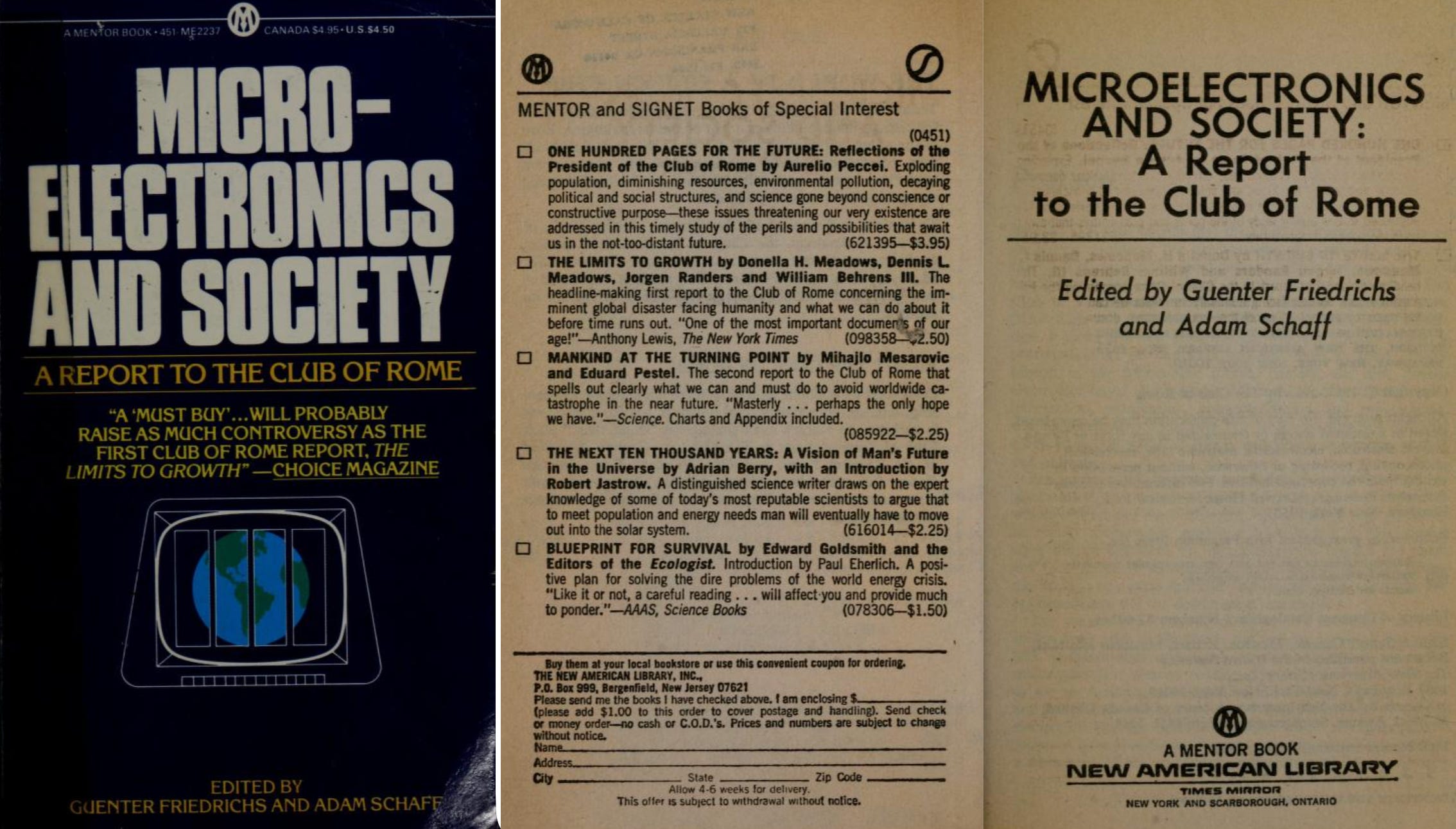
Pergamon didn’t just publish journals related to the Club of Rome’s interests — it actually published several of the Club of Rome’s own reports. These included books like Beyond the Age of Waste31, Energy: The Countdown32, No Limits to Learning33, Towards More Effective Societies34, and Microelectronics and Society35.
Each of these reports dealt with a different piece of the puzzle of how to run the world: how to deal with limited resources, how to manage energy, how to redesign education so people can adapt to change, how to build better institutions, and how to handle new technology.
The Club of Rome’s reason for existing was to build models of how the planet’s resources should be managed on a global scale.

Management Science and Operations Research.
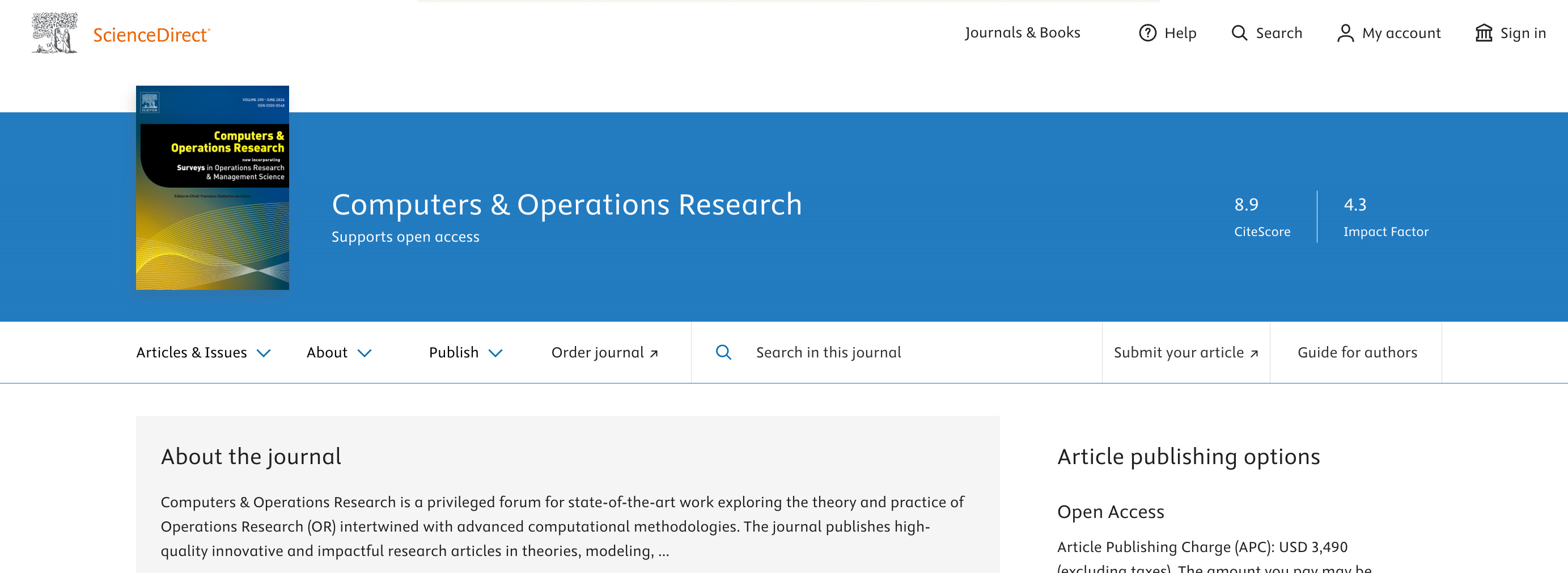
Besides Omega, Pergamon also published Computers & Operations Research36 starting in 1974. Operations research is the science of using math and data to make the best possible decisions in complex situations.
This field was originally developed by the British military during World War II37 and further advanced in the 1950s by RAND38, the American think tank closely tied to the US military. By 1965, Robert McNamara — the US Secretary of Defense — had taken these methods and applied them across the entire US government through the Planning, Programming, and Budgeting System (PPBS)39.
Pergamon published research in the exact fields that the US government adopted as its main system for managing large-scale decisions.

The Soviet Translation Programme.
Starting in the early 1950s, Pergamon ran a massive project translating Russian scientific journals into English, word for word. This included journals on math, physics, and systems science — including one focused on optimisation and control theory.
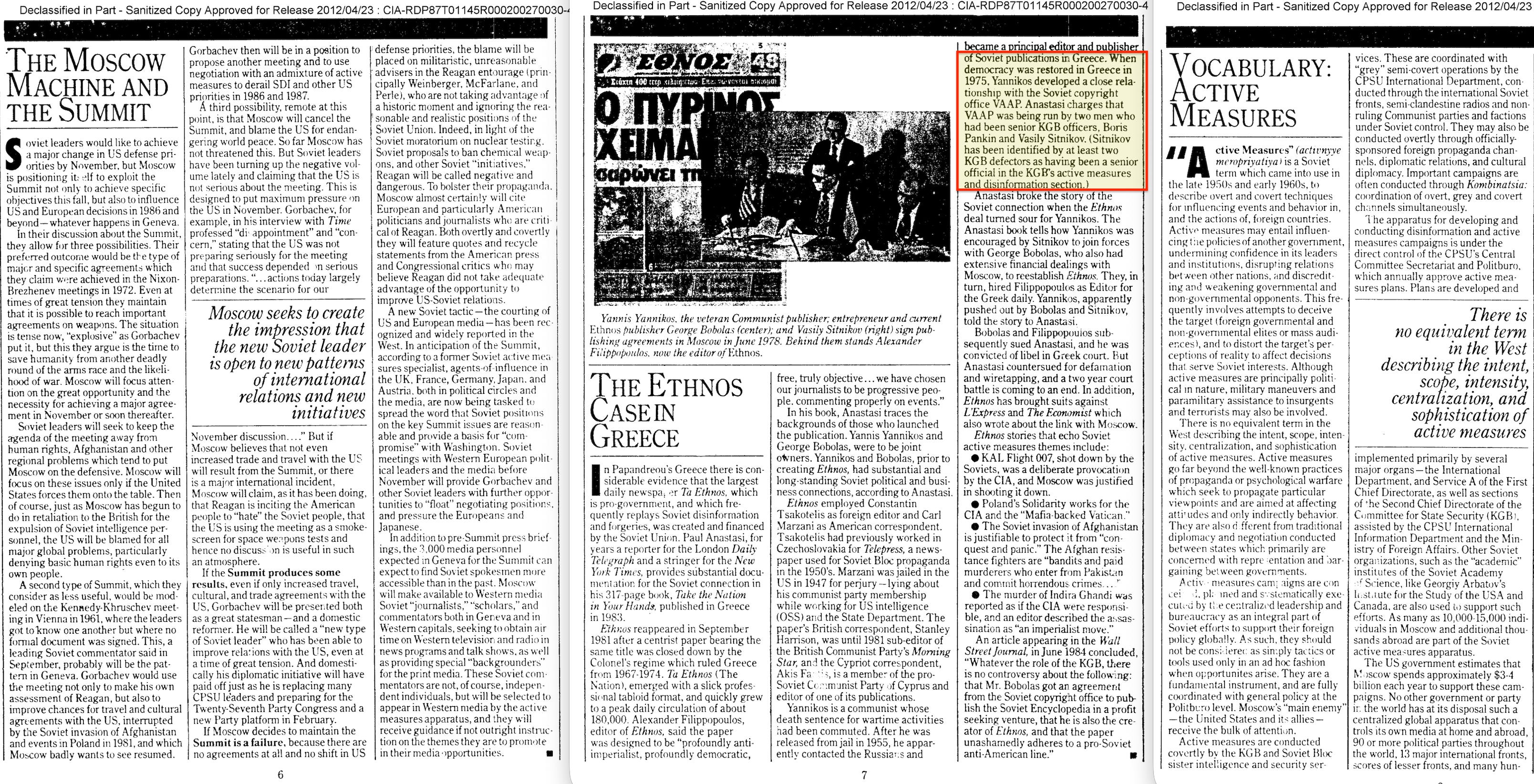
Maxwell arranged all of this through an organisation called VAAP40, the Soviet copyright agency41. But VAAP was widely known to be a department of the KGB42, the Soviet spy agency43. And in many cases, the Soviet Union itself paid for the translation, publishing, and printing costs.
Maxwell later published books by Soviet leaders — Brezhnev, Chernenko, Andropov, and Gorbachev. The Soviets paid for the books to be produced, and then destroyed almost all the copies. Nobody was actually meant to read them44.
In plain English, the publishing was a financial conduit disguised as an intellectual one.
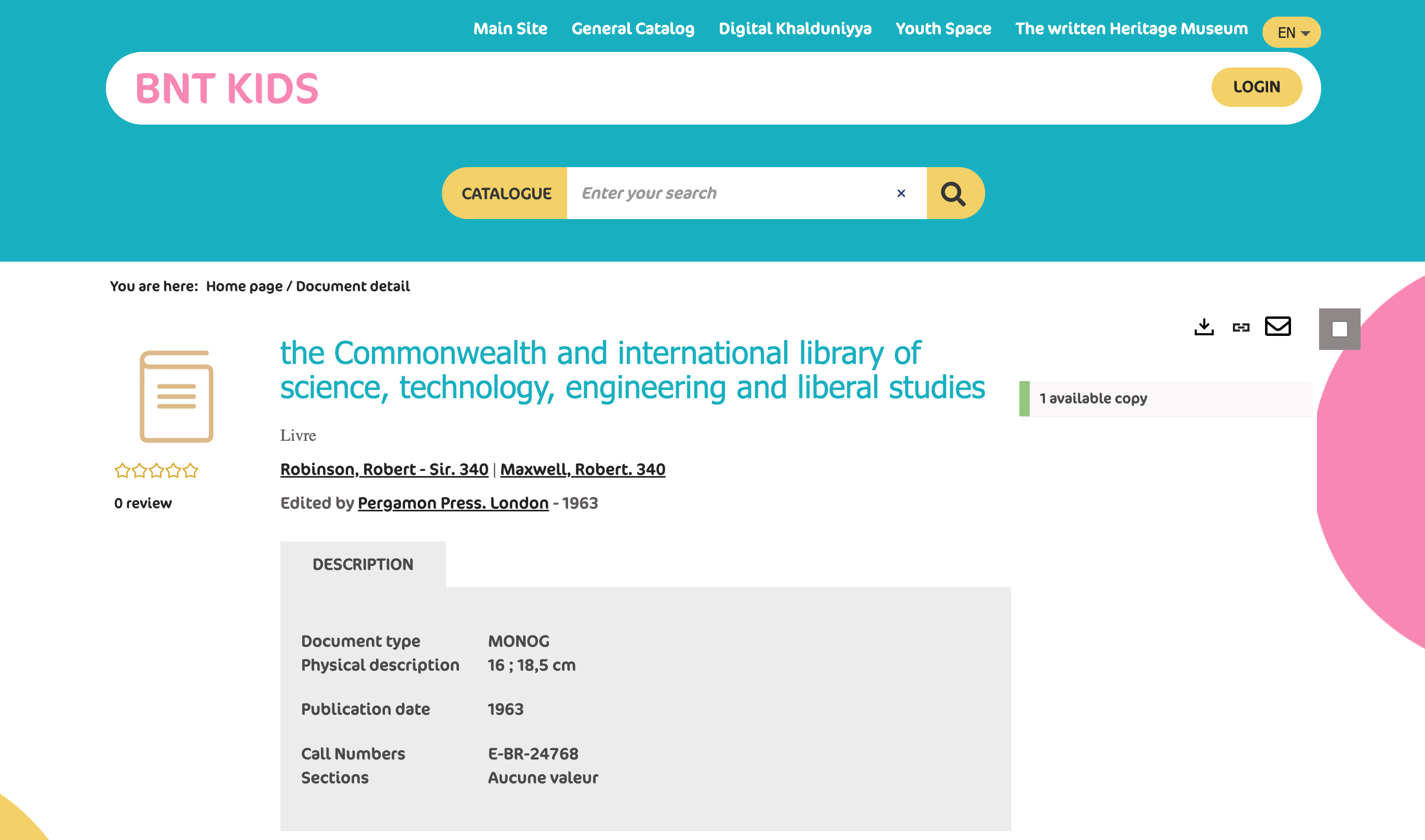
On top of all the journals and books, Pergamon launched The Commonwealth and International Library of Sciences, Technology, Engineering, and Liberal Studies in 19624546. This was a teaching series — textbooks designed to train students — and by 1970 it had grown to a thousand titles.
The journals decided what counted as legitimate research, and the textbook series taught the next generation of students and professionals to think using those same methods.
Pergamon wasn’t just publishing knowledge — it was influencing how people in countries around the world were trained to think and work.
The Authors
The individual books Pergamon published tell a similar story. Two authors stand out as examples.
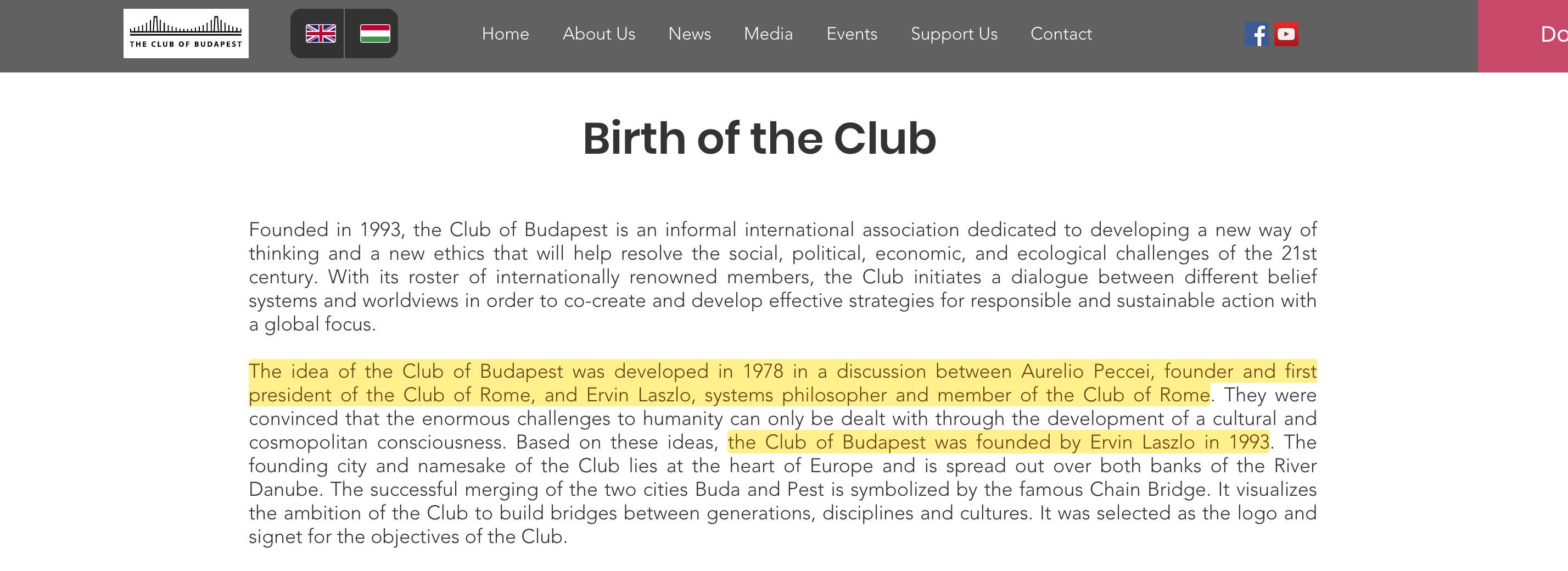
Ervin Laszlo had nine books published by Pergamon. Laszlo founded the Club of Budapest47, worked as a science adviser for UNESCO, and openly argued that systems theory should be used as a framework for running the entire world. In 1977, he wrote the Club of Rome report Goals for Mankind48, which called for reshaping global society through long-term planning and systems thinking. At the first World Climate Conference in 197949, Federov (a Soviet representative) criticised the United States for not having a unified national plan — a criticism that lined up perfectly with what Laszlo had been publishing through Pergamon.
Oskar Lange also had nine Pergamon books50. Lange was a Polish economist who took an existing method for tracking how resources and money flow through an economy — Leontief’s input-output analysis51 — and showed it could be used to actually run one — to centrally plan how resources get distributed. He essentially turned a measuring tool into a control tool.
Laszlo and Lange are just two examples. Pergamon’s full book catalogue shows the same pattern across many other authors, all focused on systems theory, operations research, and resource management — all pointing in the same direction.


The Sequence
When you lay out Pergamon’s journals in the order they were published, a step-by-step pattern shows up.
The 1950s were about hard science — physics, nuclear energy, and translating Soviet research. This was the foundation: raw scientific knowledge and access to ‘the other side’ through Pergamon Press.
The 1960s shifted to control theory — the science of how to manage and steer systems. The IFAC journal arrived. Pergamon moved from publishing science to publishing the science of control — general systems theory, input-output analysis, and cybernetics — adaptive management of physical reality when combined.
The late 1960s brought journals about predicting the future. Futures launched in 1968 and Socio-Economic Planning Sciences in 1967. The Club of Rome was founded the same year as Futures. Now it wasn’t just about controlling systems — it was about combining adaptive management with future anticipation.
The 1970s were about putting it all into practice. World Development (1973), Omega (1973), Energy Policy, and the Club of Rome reports all arrived. These were about managing developing countries, running organisations, controlling energy, and planning on a global scale. Early stage anticipatory governance.
The 1980s saw deeper ties with the Soviet Union through publishing books by Gorbachev and his wife. The systems science collection matured. And one of the last journals Pergamon launched before being sold to Elsevier in 1991 was Accounting, Management and Information Technologies52 — essentially updating Lenin’s old idea of ‘accounting and control’53 for the computer age, packaged as an academic journal. Anticipatory governance through economics.
The sequence matters: basic science → systems science → predicting the future → governing through policy → financial control. Each step depends on the one before it. You can’t predict the future without first understanding how systems work. You can’t govern using models without data to feed into them. And you can’t enforce any of it without financial systems that make obedience automatic.
Cybernetics gave you the theory of control. Systems science gave you the tools to model complexity. Input-output analysis gave you the ability to measure what flows through the system and predict where it leads. Futures studies gave you the ability to plan. Development and energy policy gave you the real-world levers. And programmable financial systems — the final layer — gave you a way to make the whole machine run on its own, without needing permission from the people living inside it.

The Clearinghouse
If Maxwell had just published a few cybernetics books, you could easily explain it — he was a smart businessman who spotted a profitable market. But that’s not what happened. He simultaneously controlled the key journals in control theory, futures studies, development economics, government planning, management science, energy policy, and environmental monitoring — while also publishing the Club of Rome’s output and running a Soviet translation program paid for by the KGB. That’s somewhat beyond just good business instincts.
What people don’t realise about academic publishing is that whoever controls the journals implicitly controls what is disseminated as knowledge. The publisher decides what is published. What is published is cited by other researchers. What is cited receives funding. What is funded is developed. And the control goes even deeper — the publisher decides who sits on the editorial board and who reviews the research, which means they can quietly encourage certain ideas and bury others.
The fields Pergamon dominated were all about prediction, optimisation, and control. And what Pergamon chose not to publish may be just as important as what it did publish. There were alternative ways of thinking, but if those ideas were kept out of the major journals, they never were cited, funded, developed, or read about in popular science magazines. You don’t need outright censorship when you control the gate.
This control works on two levels.
The first level is about defining entire fields of study. A journal’s scope basically decides what counts as a real, respected area of research. This is the big picture: which fields exist, which methods are taken seriously, and which questions are considered worth asking.
The second level works inside each field, through ethics boards and review committees. Before any study involving people can be done, researchers have to get approval from an ethics board. But the ethics board doesn’t just check whether your study is well designed. It decides whether your study should be done at all. And the rules it uses to make that decision come from the same academic consensus that the journals created in the first place.
So the journals decide what the playing field looks like, and the ethics boards police what happens on each one.
And because ethics reviews happen before research is done, it can stop certain findings from ever existing. A study that gets denied approval produces no data, no results, no papers, nothing — the inconvenient question is simply never asked. But should research erroneously get through, the same architecture operates after the fact — through retractions, professional sanctions, and loss of funding — to punish conclusions that deviate from the consensus the journals established.
This is the most complete form of control there is: you stop unpalatable topics from serving as inputs, and punish those outputs which managed to get through anyway.
The COVID-19 pandemic showed both levels of this system working at the same time. Researchers who tried to publish studies on natural immunity, early treatment options, or vaccine side effects found their papers rejected, their preprints taken down, and their careers threatened, all because their conclusions went against the official consensus. Doctors who used their own medical judgment instead of following published guidelines were fired for ethics violations.

Pergamon’s operation paid for itself. University libraries paid high subscription fees for the journals. Club of Rome reports were sold as regular books. The Soviets paid for translations. No spy agency needed to secretly fund any of it, because the academic world itself was footing the bill.
This matters because of what came next. In 1972, the United States and the Soviet Union jointly created the IIASA — the International Institute for Applied Systems Analysis — based in Austria. Its job was to build computer models of global problems. But by the time IIASA opened its doors, the methods it used had already been published, reviewed, and given the stamp of approval through Pergamon journals for twenty years.
Western scientists didn’t see systems analysis or cybernetic control theory as strange or foreign ideas. They’d been reading about them in English, in respected journals, since the 1950s. The tools felt normal and familiar before the organisations that would use them even existed.

The same thing happened with environmental science. When international scientific bodies produced reports on global environmental monitoring, and when the United Nations built its Global Environment Monitoring System, the underlying science they relied on had already been given its Western credibility largely through Pergamon’s publications.
In other words, Pergamon didn’t just publish research. It established the intellectual foundations that major international institutions would later develop — and by the time those institutions arrived, nobody questioned the foundations because they’d been treated as mainstream science for decades.

The Soviet Channel
Maxwell’s translation program deserves a closer look, because it was the main pipeline through which Soviet theories on how to manage systems and govern societies reached Western universities. And the timing of how it was set up reveals something that doesn’t make sense if this was just a normal business.
Pergamon was created in 1951. Then, in late 1952, the Soviet Academy of Sciences set up a special institute for organising scientific information. Within a year, this became VINITI54 — basically the Soviet Union’s central clearinghouse for all scientific and technical knowledge. It started publishing summaries of research papers in 1953.
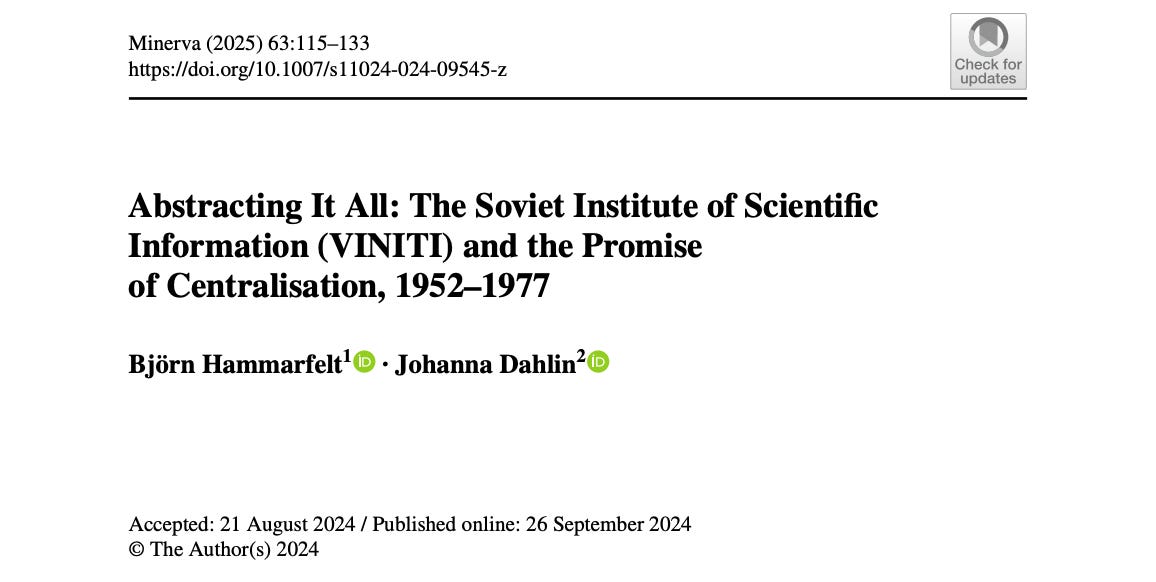
VINITI’s official job was to keep Soviet scientists up to date on scientific progress around the world55. It answered to two masters — the Academy of Sciences for daily work, and a government committee for national information policy. Underneath it sat a massive network: eighty-four national organisations, ninety-four regional offices, over four thousand offices at research institutes, and more than sixteen thousand technical libraries. By 1960, VINITI was producing seven hundred thousand research summaries every year, covering twenty-three subject areas, processing publications from ninety-two countries. It had a permanent staff of 2,200 people, plus over 20,000 part-time workers writing summaries56.
This wasn’t a small operation. It was a machine for processing the world’s scientific knowledge — and Pergamon was its English-language outlet.
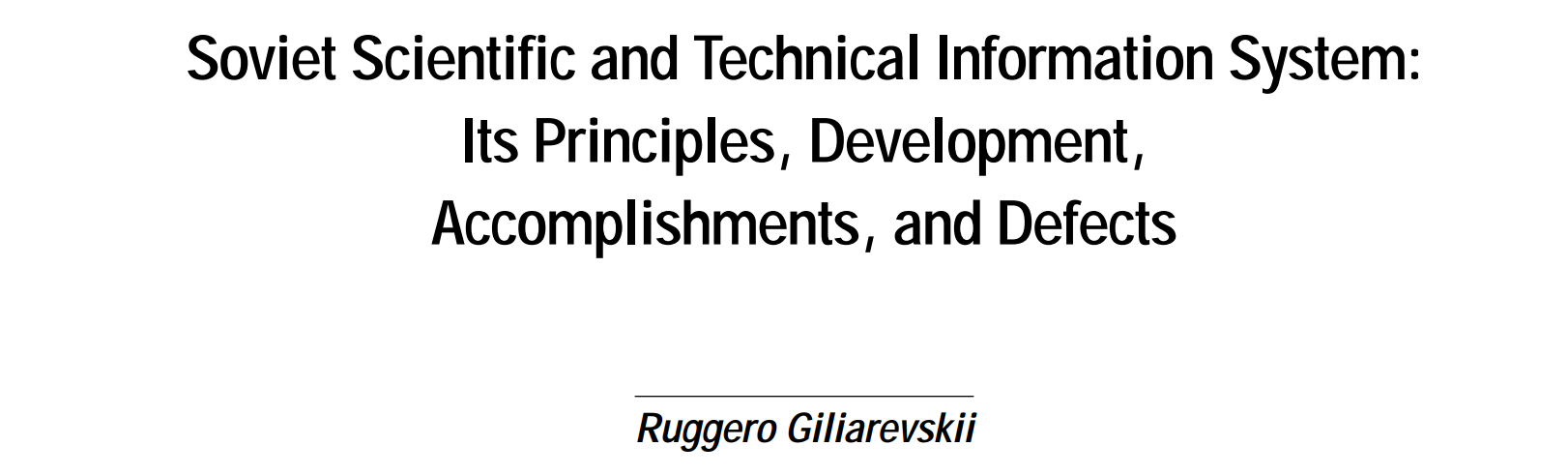
When a team of American scientists visited VINITI in October 1959, they came away surprised57. The institute wasn’t actually as top-down and centrally controlled as they’d expected. Only a few parts were truly centralised — administration, buying materials, and printing. Each journal had complete freedom over what it published. The Americans concluded that VINITI was really more like an association of independent journals sharing the same infrastructure, rather than one big centralised operation.
That’s exactly how Pergamon worked. Independent editorial boards running their own journals across different scientific fields, all coordinated through a single publishing company. The Soviet system and Maxwell’s Western system were built on the same blueprint.
The American visitors also noticed that VINITI’s director had already been approached by two American companies who wanted to publish English versions of the Soviet research summaries. In other words, there was a competition to be the bridge between Soviet and Western science — and Pergamon was already winning that competition, translating Soviet journals one by one.
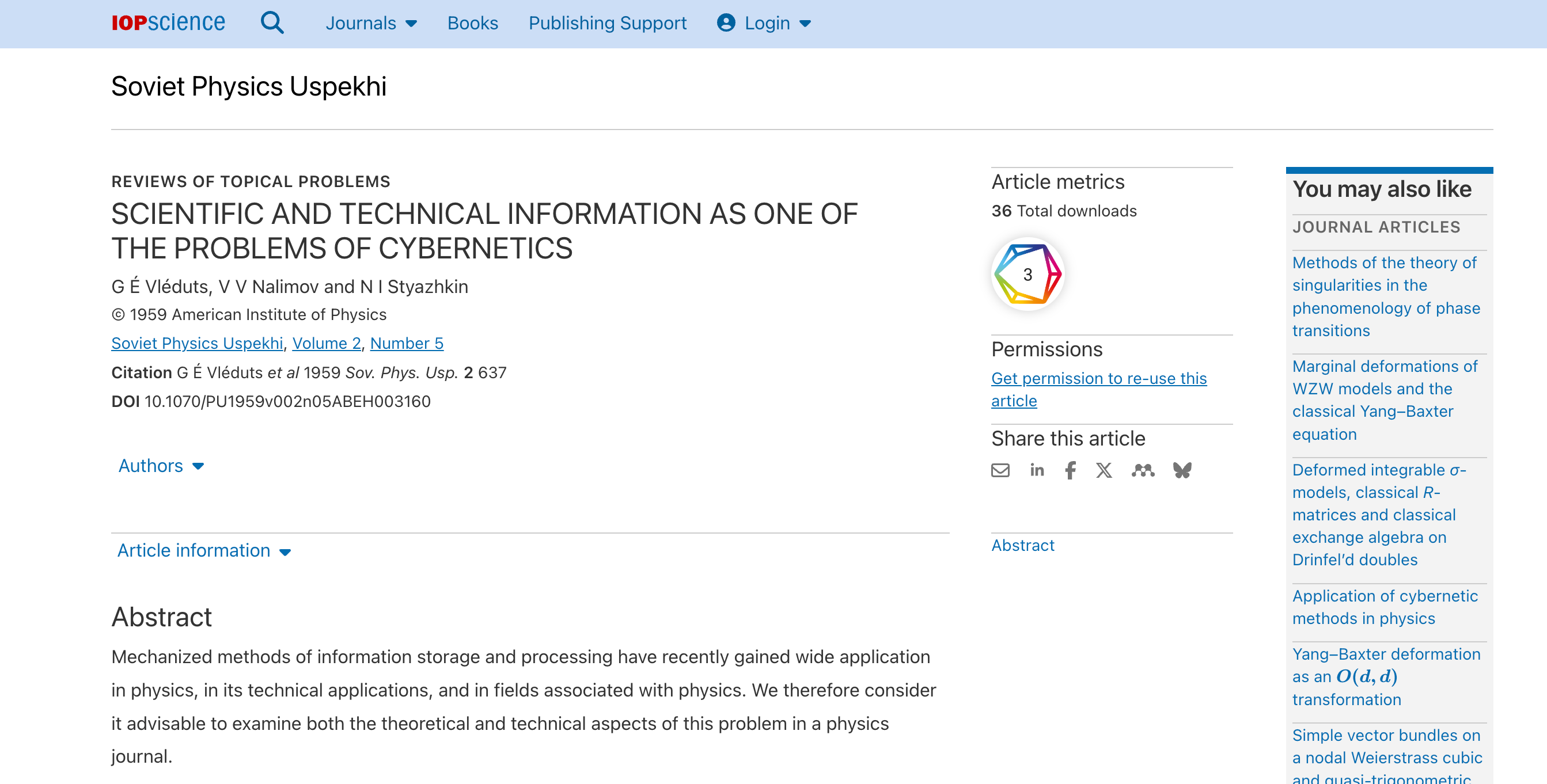
The final item in the Americans’ reference list was a Soviet paper called ‘Scientific and Technical Information as one of the Problems of Cybernetics’58. The Soviets themselves saw their own information system as a cybernetic system — a machine for steering and controlling the flow of knowledge. They knew their information network was itself a tool of control.
In 1941, the Science and World Order conference59 had proposed creating a central hub for organising scientific information, and a service that would translate and summarise research between English and Russian. Within ten years, two systems showed up at almost the same time — Pergamon on the Western side, and VINITI on the Soviet side. Both were built on the same basic design, and both existed to transfer scientific knowledge between East and West.

The Western version was started by two men who were both intelligence assets — one working for Britain, one who would later be tied to Israel. The Soviet version was run by the Academy of Sciences and a government committee that reported directly to the Council of Ministers — the highest level of Soviet government.
So the 1941 proposal didn’t just result in one system. It produced a matched pair — one on each side of the Cold War divide. And the man running the bridge between the two held credentials from intelligence services on multiple sides.
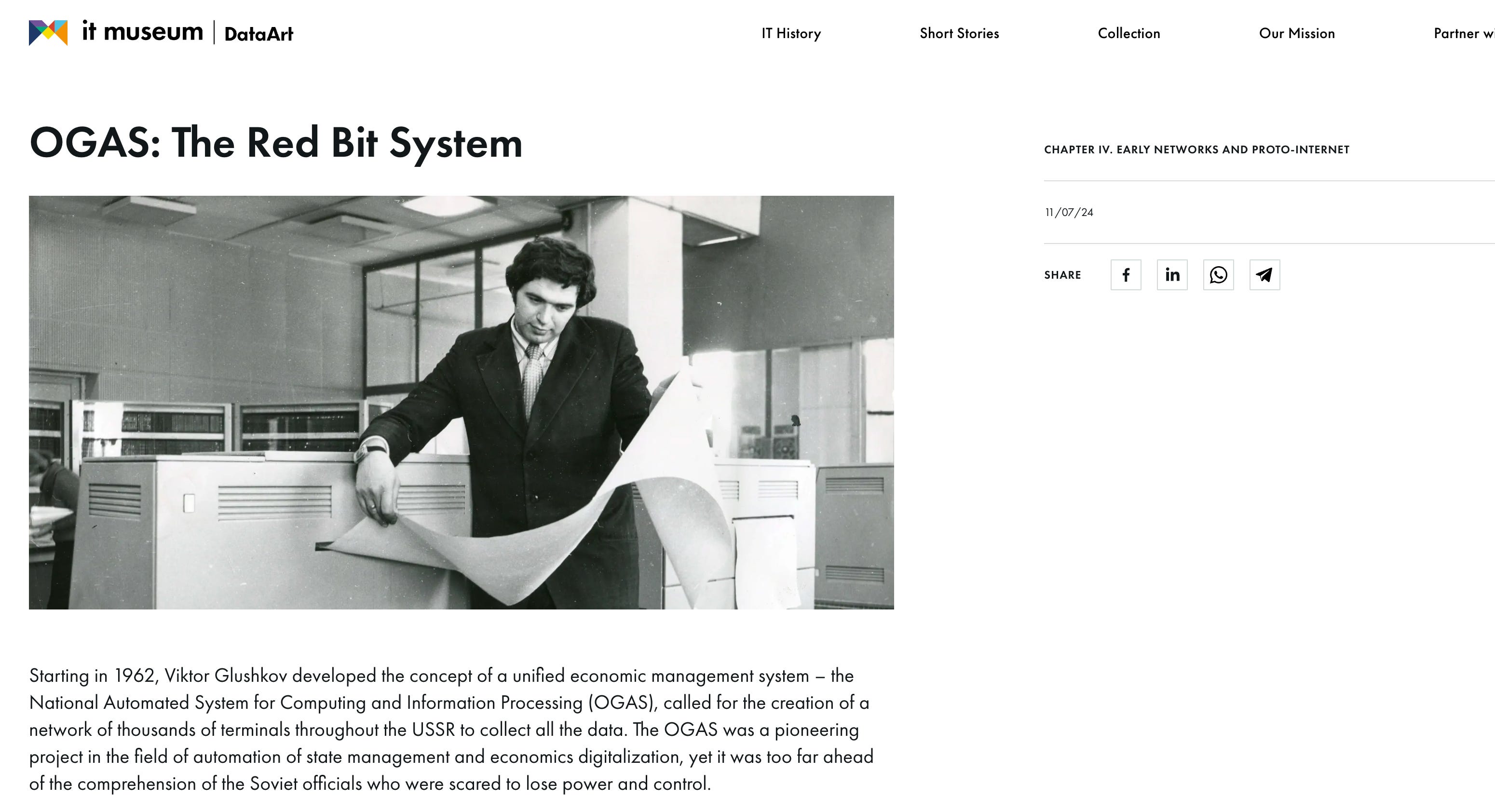
The Soviet Union had its own long history of using cybernetics to run the state. In the 1960s, they proposed OGAS60, supposed to be a nationwide computer network that could manage the entire Soviet economy in real time. Using cybernetics for economic planning was a well-established field in Soviet universities. Oskar Lange’s work on using mathematical models to run centrally planned economies was part of this same world.
Maxwell’s translation program took all of this material and put it into English-language journals that Western universities automatically bought for their libraries.
The way the money worked was odd. Normally, spying is a one-way street — you spend money to steal the other side’s secrets. But in this case, the Soviets themselves were paying for the West to have access to their own work. Was this program really about the West extracting Soviet secrets, or was it about the Soviets getting their ideas into Western institutions?
Maxwell’s access to the Soviet system was remarkable by any measure. In 1968, he secretly traveled to Moscow and met with Yuri Andropov, the head of the KGB6162. That’s the same year Pergamon launched Futures, the same year the 1968 UNESCO Biosphere Conference took place, and the same year the Club of Rome was founded. Maxwell crossed back and forth between the Western and Soviet worlds so often that people took notice.

After Maxwell’s death, people who had worked inside the Soviet system started talking. A former officer from the KGB’s foreign intelligence branch said Maxwell ‘had reached a level inaccessible to the KGB itself. He was in contact with the elite of the ruling class, untouchable even to the secret police’6364. According to the Sunday Express, a document signed by the head of the KGB was found that ordered it was ‘strictly forbidden’ to draw attention to any of Maxwell’s activities. In other words, the Soviet security system was told to protect what Maxwell was doing, not spy on it.
Meanwhile, a KGB defector named Oleg Gordievsky thought Maxwell was being used by the Soviets as a propaganda tool — but even he admitted that many people inside Soviet intelligence believed Maxwell was actually a British spy. And the former head of the KGB’s British operations believed that British intelligence, MI6, was using Maxwell to get inside the Communist Party’s central leadership.
So every intelligence service thought Maxwell was working for one of the others. The British thought he might be a Soviet asset. The Soviets thought he might be a British asset. The Israelis and Maxwell had their own relationship. But nobody shut him down.

The translation program also gave Maxwell a live window into what the Soviet Union cared about most — and when you line up Pergamon’s journal launches next to Soviet research priorities, the match is almost too perfect.
Here’s how the pattern worked, again and again:
Soviet cybernetics was banned under Stalin but became a top government priority after he died in 195365. Pergamon’s cybernetics books and its relationship with the IFAC journal appeared in the early 1960s.
In 1965, the Soviet government adopted cybernetic and systems-based methods for managing the economy66. Two years later, Pergamon launched Socio-Economic Planning Sciences.
The Soviets made long-range forecasting an official part of state planning67. Pergamon launched Futures in 1968.

The Soviets competed aggressively for influence over newly independent countries in Africa and Asia throughout the 1960s and 70s. Pergamon built its development economics journals across the same period.
Every time, the pattern was the same: the Soviet government would identify a priority, direct its scientists toward it, and VINITI would process the world’s research to support it. Then, a few years later, Pergamon would launch a Western journal in the exact same field — creating the academic infrastructure to make those same methods respected and mainstream in the West.
The delay was usually two to five years — just long enough to spot what the Soviets were investing in through the translation program, find the gap in Western academic publishing, put together an editorial board, and launch a journal.
This pattern held from Pergamon’s founding in 1951 all the way through to a formal agreement with VINITI in 198968. Maxwell already knew everything VINITI produced — through his own translation contracts.
All he had to do was watch what the Soviets were pouring resources into, and then build Western journals around it.
The specific journals Pergamon chose to translate make the pattern impossible to miss.
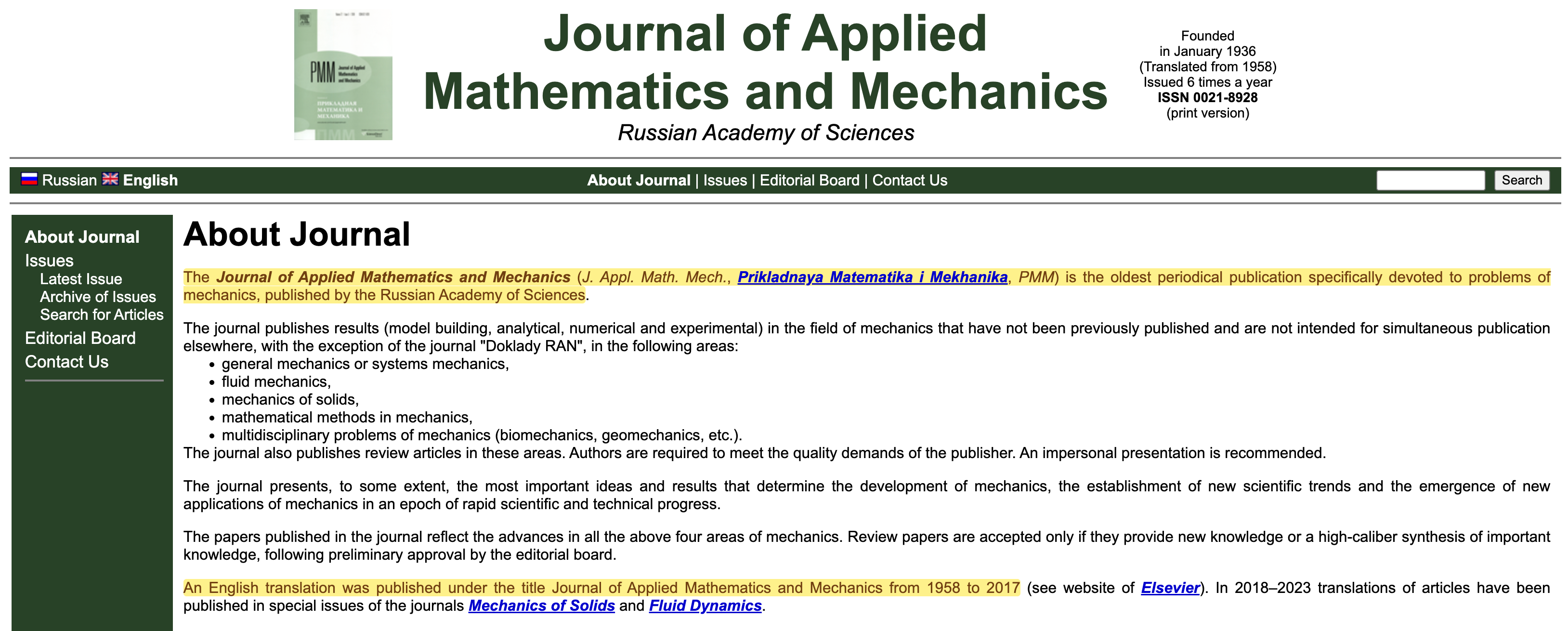
From 1958, Pergamon translated the Soviet journal PMM — published in English as the Journal of Applied Mathematics and Mechanics69. PMM was the Soviet Union’s most important journal for mathematical optimisation and control theory — the math behind managing complex systems and central planning.
In 1962, Pergamon published a Soviet book called Dynamics of Automatic Control Systems70. In 1961, it published a Soviet psychology book about how speech can be used to regulate human behavior71.
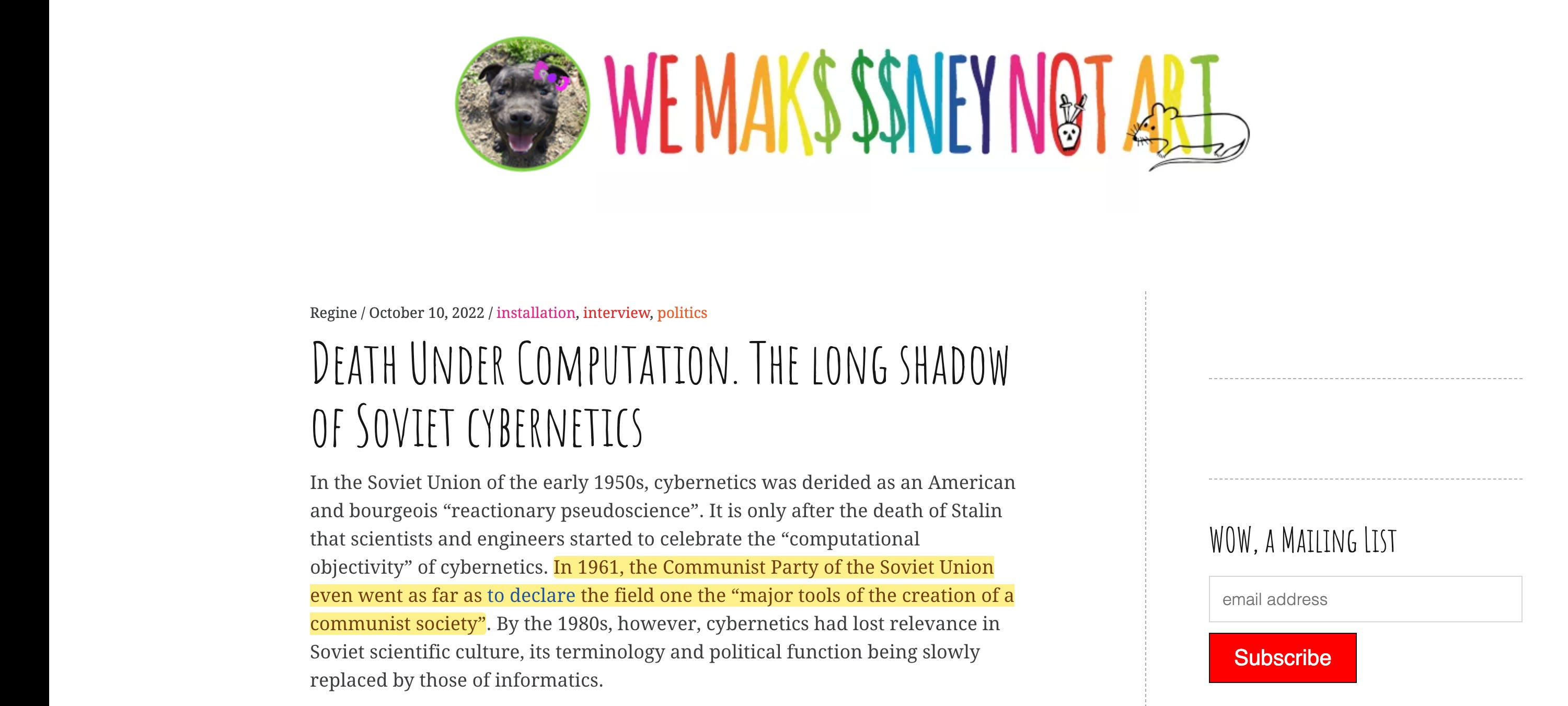
Within the space of a year, Pergamon brought out both Soviet control theory and Soviet behavioral psychology in English. This was right after the Soviet Communist Party’s 1961 congress72, where cybernetics was officially declared ‘one of the major tools of the creation of a communist society’ and the Soviet leader Khrushchev called its development an urgent priority73.
Pergamon also translated Soviet journals on electricity, radio engineering, communications, and electronics. This was significant enough that when the US Congress held hearings in 1963 about creating a National Information Center74, Pergamon was listed as an existing commercial translation service. By the 1980s, Pergamon was publishing a book on Soviet regional planning — specifically, how the Soviets used cybernetic principles to organise entire regions of their economy75.
Every translation worked the same way: Soviet ideas about how to govern and control were published through a respected Western company, and accepted by Western university libraries as legitimate research that could be applied anywhere in the world. But it now didn’t carry the Soviet label.
This arrangement worked for both sides because the methods appeared ideologically neutral — just tools for modelling, monitoring, and managing complicated systems. But that appearance is deceptive. Every method Pergamon published — cybernetics, input-output analysis, operations research, systems dynamics — can model open or closed systems in theory. But when applied to governance — to steering, planning, and control — they are necessarily applied as closed systems, because managing a system requires fixed boundaries, defined parameters, reliable feedback, and predictable outputs.

A closed system has a structural property that carries an implicit ideology: it can only be changed from above. In a closed system, the leaf nodes — the individuals, the local institutions, the governed — can operate within the parameters the model sets, but they cannot alter those parameters themselves. If they could, the model would break, and the predictions collapse. Bottom-up change isn’t just discouraged — it is mathematically incompatible with the architecture.
That means democracy is not an inconvenience to this model but a system error. When the 1941 conference proposed handing policy to scientists operating outside democratic control, it wasn’t a power grab but a design requirement.
When Western universities adopted these methods, it didn’t mean one side of the Cold War was winning. It meant both sides were slowly moving toward the same destination — and that destination was scientific socialism.

An idea called Convergence Theory76, supported by the economist John Kenneth Galbraith, came into existence around this time. The theory said that as modern societies became more complex, both capitalist and communist countries would eventually end up looking the same — run not by politicians or ideologues, but by managers, planners, and technical experts. The political labels would become less and less meaningful while the actual systems of management became identical.
When you look at Pergamon’s catalogue, it reads as though it was assembled with that in mind — giving both sides the same intellectual equipment for running societies through systems management.
And you can see the payoff. When the United States and Soviet Union signed an agreement in 1972 to cooperate on environmental protection77 — calling for ‘joint development’ in science — the shared language, shared methods, and common policy framework that made that cooperation possible didn’t appear out of nowhere. They had already been built, over the previous two decades, through Pergamon’s translation program and through the way Pergamon and VINITI had been quietly mirroring each other’s structure since the 1950s.

In April 1989 — the year the Berlin Wall came down — the relationship between Pergamon and the Soviet system came fully out into the open. Maxwell signed a formal agreement directly with the head of VINITI to create a joint online scientific database78. The first product would be an English-language database of chemistry research built from a thorough analysis of the world’s chemistry publications, with plans to expand into other sciences. The starting investment was $34 million. Maxwell’s company refused to say whether this was a final deal or to give a timeline.
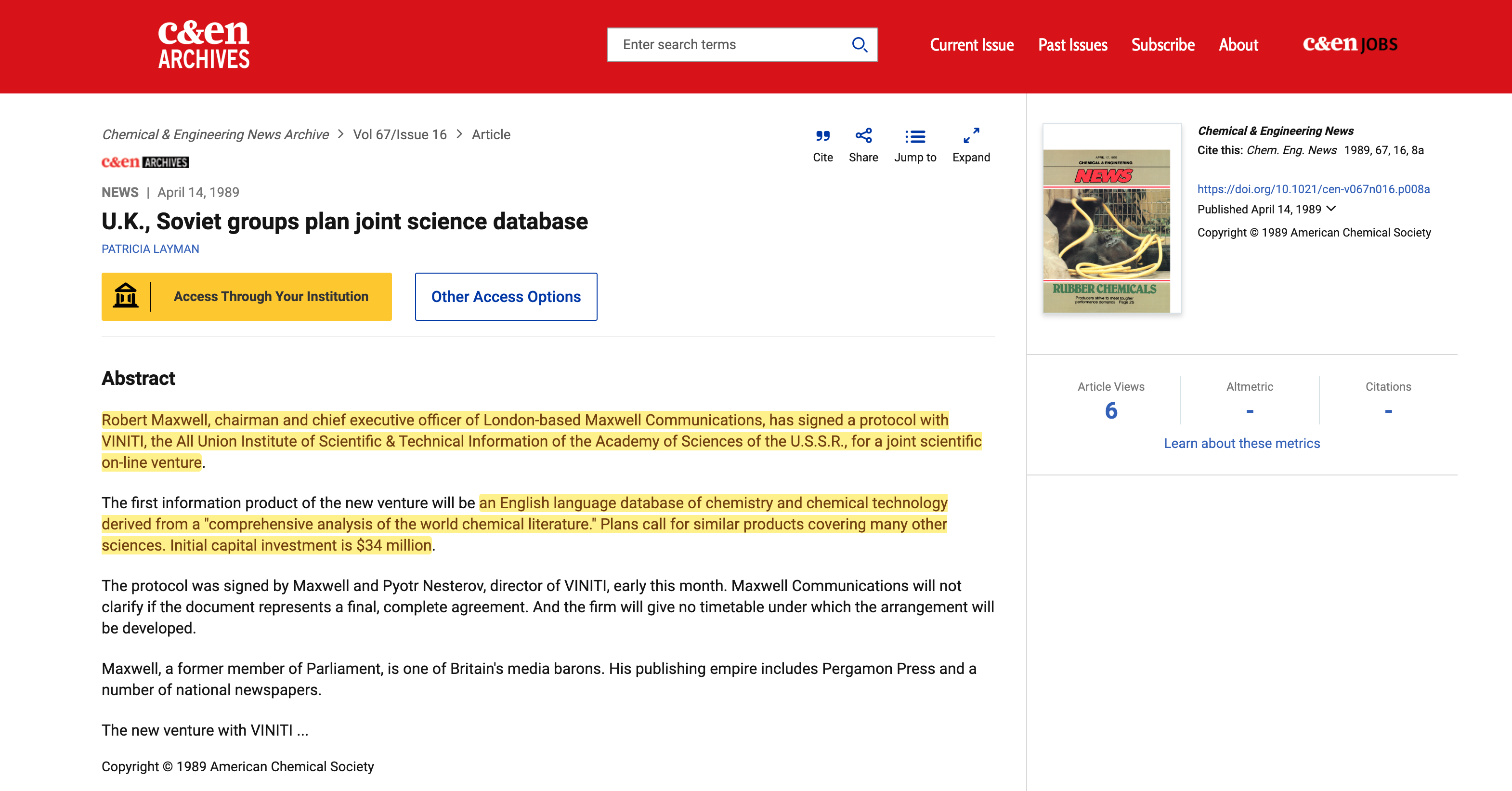
The matched pair — Maxwell’s Western publishing house and the Soviet state’s information system — were being officially merged into a single digital platform. And this was happening at the exact moment the Cold War was ending and the two political systems were coming together.
This all started in 1941 with a British scientific conference proposing to create a clearinghouse for sharing scientific knowledge around the world. Nearly fifty years later, that vision was being built — as a joint online database created by the bridge publisher and the Soviet information institute, signed in the year the Cold War ended.
Two years later Maxwell died, and the Soviet Union would appear to collapse.

The Pattern
The demand for everything Pergamon would later publish was laid out publicly a full ten years before the company even existed.
In September 1941, a major scientific conference called Science and World Order was held in Britain, described by many participants as a promotional event for scientific socialism. It was organised by the British Association for the Advancement of Science, attended by representatives from twenty-two countries including the Soviet Union. The conference had a bold agenda: it called for science to take charge of running civilisation after the war ended.

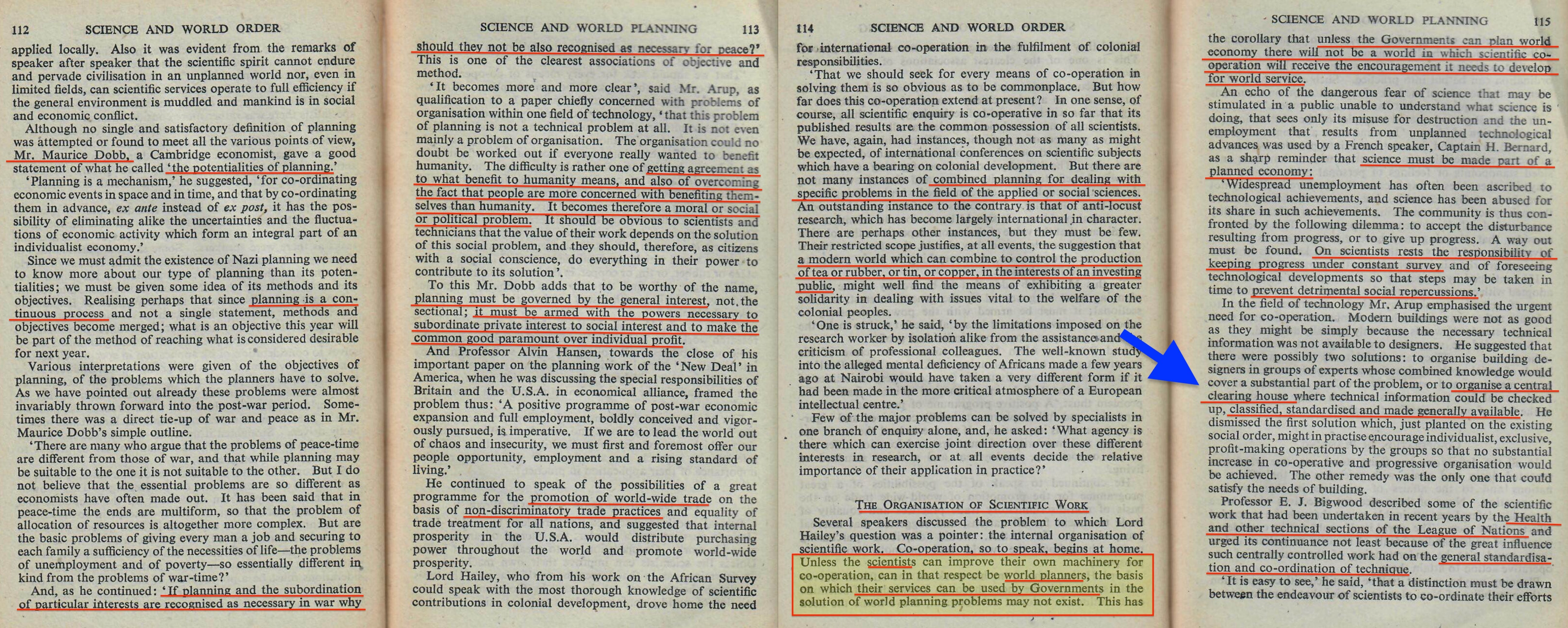
Specifically, the conference proposed creating a central clearinghouse — a hub that would collect, organise, standardise, and distribute scientific knowledge around the world. It called for an English-Russian service to translate and summarise scientific research. JD Bernal drafted a formal proposal for an International Resources Office — essentially a global body to manage the world’s resources.
The conference demanded that natural sciences like physics and social sciences like economics be merged into a single planning discipline. And it called for government policy to be handed over to scientific experts operating outside of democratic control — meaning the public wouldn’t get a vote.


Bernal was blunt about it. He said science should be involved in both ‘deciding the direction in which policy shall go’ and ‘carrying out the policy itself’. In plain terms, scientists wouldn’t just advise politicians — they would make the decisions and implement them, cutting elected leaders out of the loop.
The conference proceedings were published in January 194279. Within just six months, the organisers had set up seven working committees covering agriculture, mineral resources, land planning, university education, social sciences, public understanding of science, and scientific terminology. These weren’t discussion groups — they were action teams.
For example, Sir John Russell, who had spoken at the 1941 conference about agricultural science, led the agriculture committee. By March 1942, his committee had organised a full follow-up conference with representatives from Allied nations80. They were drafting post-war rebuilding plans in extraordinary detail: which seed varieties should be planted in which regions, how to transport livestock, how to set up cooperative farming structures, and how to plan regional economies based on the model of the Tennessee Valley Authority in the United States.
The people at that 1941 conference didn’t just talk — they went on to build the institutions that carried out what was proposed. Joseph Needham, who spoke at the conference, went on to co-found UNESCO and design its science program81. John Boyd Orr, who spoke about using nutrition as a tool of governance, founded the United Nations Food and Agriculture Organisation82. Julian Huxley, who was part of the same network, co-founded both UNESCO83 and the International Union for Conservation of Nature84.
The conference’s call for an international resources authority was linked to the Political and Economic Planning, founded by Max Nicholson — who later co-founded the World Wildlife Fund.


The line from the 1941 conference to the major international institutions built after the war runs through specific, named individuals who were present at the conference and then held key positions in those institutions.
This wasn’t a coincidence. The people who proposed the plan later developed it.
Between 1951 and 1991, Pergamon published the journals that gave every one of those 1941 proposals the stamp of legitimate Western science. And the word ‘clearinghouse’ isn’t a figure of speech — it’s the exact word used in the 1941 conference proceedings.
Twenty years after that conference, the US government came to the same conclusion on its own. In January 1963, the Weinberg Report85 landed on President Kennedy’s desk. It was written by the President’s Science Advisory Committee, and it proposed building specialised information centers run by working scientists, a national referral service, government-wide information clearinghouses, and a coordinated federal system for collecting, organising, and distributing scientific and technical research.
The report openly pointed to the Soviet system as the standard to measure against. It mentioned that an earlier advisory group had looked into whether the United States should build something like the Soviet Union’s VINITI — one massive centralised service for all scientific information. What the report was describing was essentially the same system Pergamon had already been running as a private business for twelve years — but the proposal was to build it inside the US government.
That same year, 1963, a congressional committee held hearings on creating a National Information Center86 — so Congress was chasing the same goal through its own channels. One of the people who testified was Derek de Solla Price, a researcher who had just published a book called Little Science, Big Science87, which showed how scientific publishing itself could be measured and analysed as a system. Even the study of how knowledge gets organised was becoming part of the toolkit.
Neither attempt went anywhere. Kennedy politely acknowledged the Weinberg Report, saying its ideas ‘deserve serious consideration’, but he didn’t actually back either the executive branch’s proposal or Congress’s version. After Kennedy was assassinated, a committee called COSATI88 was set up in 196489. It produced some reports and standardised some filing systems, then quietly shut down in the early 1970s.
The government’s version of the clearinghouse never came close to matching what Pergamon was already doing as a private company.

Part of the reason was that the Weinberg Report itself had argued against building too much inside the government. It warned that government information programs ‘must not be allowed to swamp’ private ones, and that the private sector’s ability to respond to what users actually needed was ‘precious and must be preserved’. So the report actually protected the commercial system — Pergamon’s system — from government competition.
To sum it up: two branches of the US government tried to build a national scientific information center in 1963. The President didn’t support either effort. Both failed. Pergamon kept right on going, without missing a beat.
And this is the point that’s hard to ignore. A skilled businessman spots trends and gets ahead of them — that’s normal. But he does not fulfill a shopping list that was written at a conference of socialist scientists ten years before his company even existed. And he doesn’t build a system that a presidential advisory panel tries to recreate through official government channels twelve years after he’d already built it privately.
Between 1951 and 1991, one man controlled the publishing rights for the key journals in automatic control, futures studies, development economics, government planning, management science, and environmental monitoring. At the same time, he published everything the Club of Rome produced, translated Soviet governance science into English for Western universities, and was a confirmed intelligence asset with personal access to the leaders of the Soviet Union, Britain, and the United States.
And he wasn’t just a publisher. Between 1964 and 1970, Maxwell served as a Member of Parliament for the Labour Party90, representing Buckingham91. Those are the exact years when Futures, Socio-Economic Planning Sciences, and the IFAC journal deal were being set up. In 1963 and 1964 — the same period the Weinberg Report was published in America — he chaired the Labour Party’s working group on Science, Government and Industry92. From 1960 to 1969, he was Chairman of Labour’s National Fund Raising Foundation. And he served as Vice-Chairman of the Council of Europe’s Committee on Science and Technology.
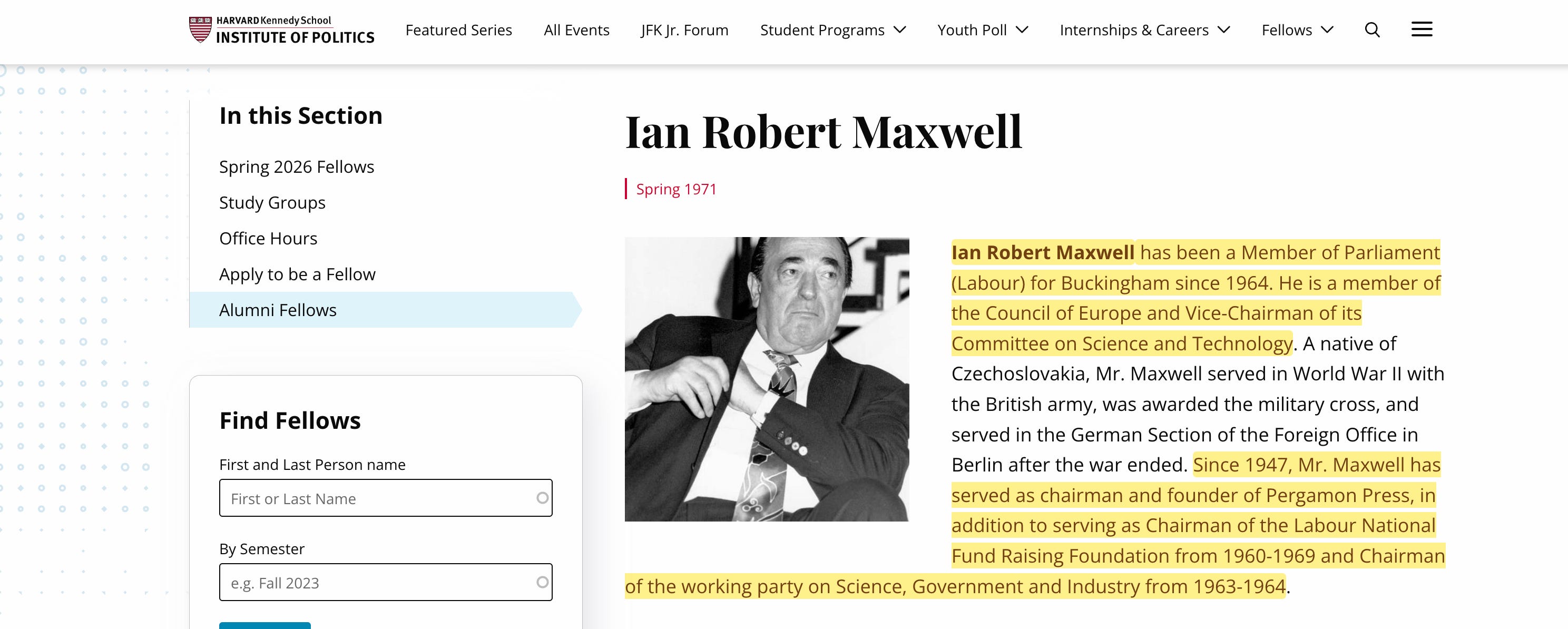
The man who controlled the publishing clearinghouse was simultaneously positioned at the intersection of British science policy, European science governance, and the internal machinery of one of Britain's two major political parties.
Maxwell was also actively pushing the field toward its next stage. In 1990, he donated $100,000 to the Santa Fe Institute93 — specifically for research into ‘complex adaptive systems’, which is the study of how complicated systems learn and evolve on their own94. He followed that with $300,000 to create a professorship in his name. Two months later, his daughter Christine joined the Institute’s board95.
The Santa Fe Institute was essentially the next version of the cybernetics tradition — using newer tools like complexity theory and computer simulations to study economics and governance.
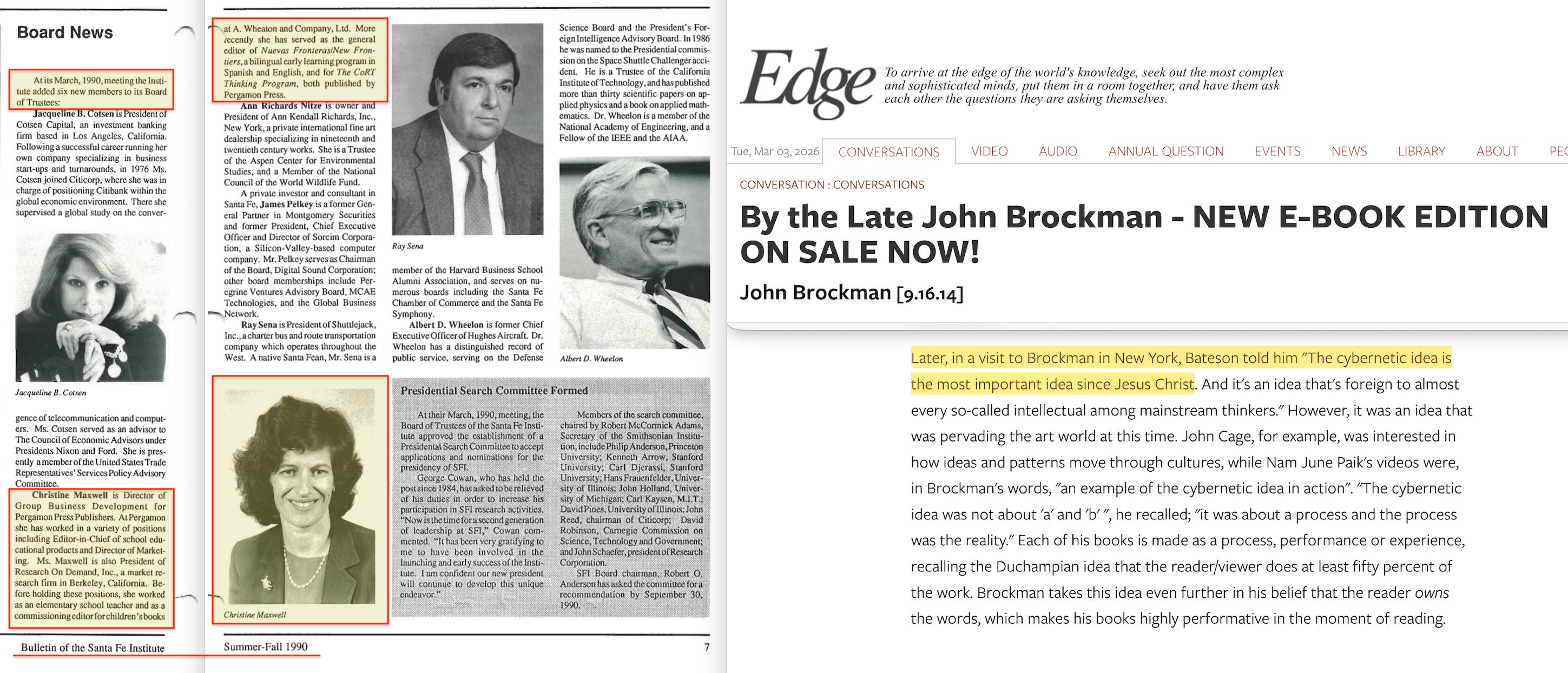
After Maxwell died, Jeffrey Epstein became one of the Santa Fe Institute’s biggest donors. The chain of money — from Maxwell the publisher, to Maxwell the institutional funder, to Epstein as the successor funder — ran in an unbroken line from Pergamon’s cybernetics books all the way through to the researchers Epstein was paying for decades later.

The network around Maxwell also crossed paths with one of the most powerful families in British science and intelligence.
Victor Rothschild was a member of the Cambridge Apostles96, a secretive intellectual society at Cambridge University whose members included some of the most influential people in British politics, finance, and spying. Keynes and Leonard Woolf, for instance.
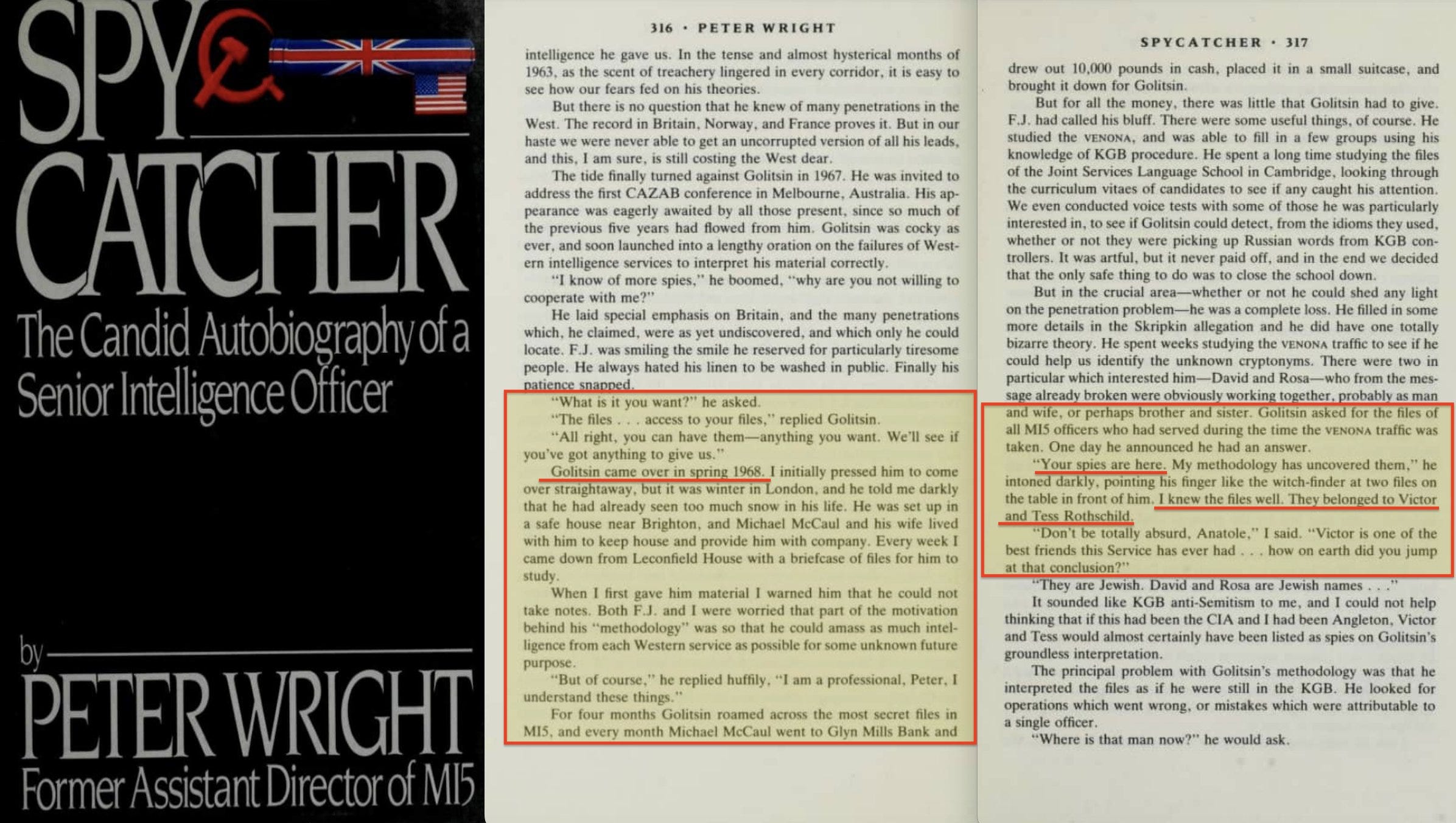
According to declassified MI5 files97, by the early 1930s nearly all of the Apostles were committed communists — and Rothschild was named as one of them.


During the war, he served as the scientific adviser to MI5, Britain’s domestic intelligence service. He was also widely suspected of being the ‘Fifth Man’ in the Cambridge Five spy ring98 — a group of elite British men who were secretly working for the Soviet Union, including Anthony Blunt and Guy Burgess, both later exposed as Soviet agents.
Soviet defector Anatoliy Golitsyn in fact explicitly named him99.
During the German bombing of London, Rothschild’s flat at 5 Bentinck Street was a regular gathering place for this circle. One of the frequent visitors was JD Bernal — the same scientist who had drafted the 1941 proposal for an International Resources Office at the Science and World Order conference.
Victor’s sister, Miriam Rothschild, took part in the 1942 follow-up correspondence event, Science and Ethics100, and went on to co-found the International Union for Conservation of Nature — the organisation that effectively became the real-world version of what Bernal had proposed as a global resources authority.


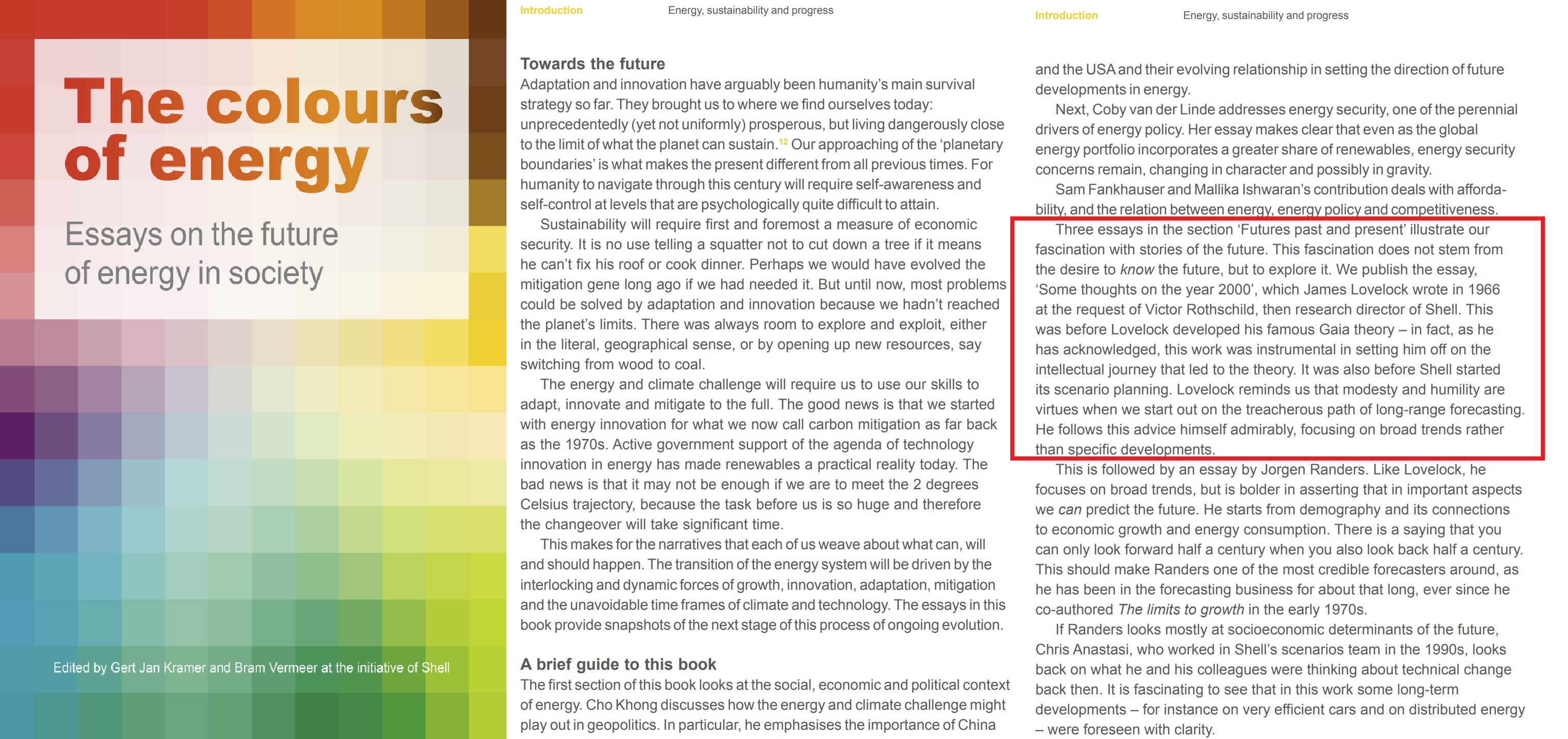
Through his role as head of research at Shell, Victor also had regular meetings with James Lovelock — the scientist who would later develop the Gaia hypothesis101, the idea that the Earth works as a single self-regulating system. Lovelock’s atmospheric research for Shell fed directly into that theory, but Rothschild told him not to discuss the climate effects of fossil fuels with anyone outside the company102.
In other words, Rothschild was controlling the release of the very science that would later become the foundation of the global climate change framework.

Then, in 1971, Rothschild personally reshaped how the British government funded science. His report to the Prime Minister103 introduced what he called the ‘customer/contractor’ principle: budgets for applied research were taken away from independent Research Councils and handed to Government Departments, each with a Chief Scientist who would decide what research to pay for.
The effect was to shorten the time horizon — departments paid for research that served their immediate policy goals, rather than funding the kind of long-term, open-ended research that the Research Councils had supported. This created a gap. The government was no longer funding big-picture thinking for itself — the systems models, the futures research, the environmental frameworks, the development theory. And the journals that dominated every one of those fields were Maxwell’s.
After Maxwell’s death, it was Victor’s son Jacob Rothschild who had handled Maxwell’s financial dealings. It was Lynn Forester — who later married into the Rothschild family — who gave Ghislaine Maxwell a Manhattan apartment after her father died, placing her in the world where she would meet Jeffrey Epstein. And documents released as part of the Epstein case revealed extensive communications between Epstein and Ariane de Rothschild, who heads the Edmond de Rothschild Group.

The fields Pergamon covered fit together too perfectly, and the step-by-step progression from basic theory to real-world governance tools is too neat, for this to be the work of a skilled businessman who just happened to spot good markets. Maxwell didn’t invent cybernetics, systems theory, input-output analysis, or futures studies. What he controlled was the publishing system through which all of these separate fields were assembled into one coherent program — and through which that program gained the official, institutional credibility it needed for the organisations that came after to build on top of it.
Pergamon Press was the Western clearinghouse at the level of scientific knowledge itself — the institution that decided what the West would accept as legitimate science in the exact fields that mattered most for building a system to manage the entire planet.
In November 1991, Maxwell was found dead in the Atlantic Ocean near his yacht. His financial empire was falling apart, and according to multiple intelligence sources, he had threatened to reveal the secret operations he had carried out for his handlers.

The timing of everything is worth paying attention to. The Berlin Wall fell in November 1989. Maxwell sold Pergamon to Elsevier in March 1991. He was dead by November. The Soviet Union officially ceased to exist in December.
Just six months later, the Earth Summit took place in Rio de Janeiro — launching the UN’s climate change framework, the Convention on Biological Diversity, and Agenda 21, the blueprint for global sustainable development.
The bridge between East and West had done its job. The two systems had converged. And the next phase of the program — building it into digital systems, programmable money, and artificial intelligence — would need tech companies, financial backers, and a switchboard operator — not a publisher.


The journals went to Elsevier, which today controls around 2,500 journals and is the biggest academic publisher in the world. Elsevier inherited everything Pergamon had built over forty years: the citation networks, the editorial boards, the university subscriptions, and the entire system that decided what counted as legitimate research. World Development still shapes how people think about development. Futures still publishes research on what’s coming next. Automatica still decides what counts as real control theory. Energy Policy still influences how governments handle energy.
The intellectual infrastructure Pergamon built didn’t die with Maxwell. It was integrated into the world’s largest academic publishing company, where it keeps doing exactly what it always did — acting as the clearinghouse for these fields.
Elsevier’s parent company used to be called Reed Elsevier. In 2015, it rebranded as RELX104 — and it no longer calls itself a publisher. It now describes itself as ‘a global provider of information-based analytics and decision tools’. Through a subsidiary called LexisNexis Risk Solutions105, RELX — an early investor in Palantir106 — sells predictive analytics, risk assessment data, and surveillance tools to government agencies. This includes a $22.1 million contract with US Immigration and Customs Enforcement107 — ICE108 — that gave the agency access to billions of personal records. In its first seven months alone, that database was searched over 1.2 million times.

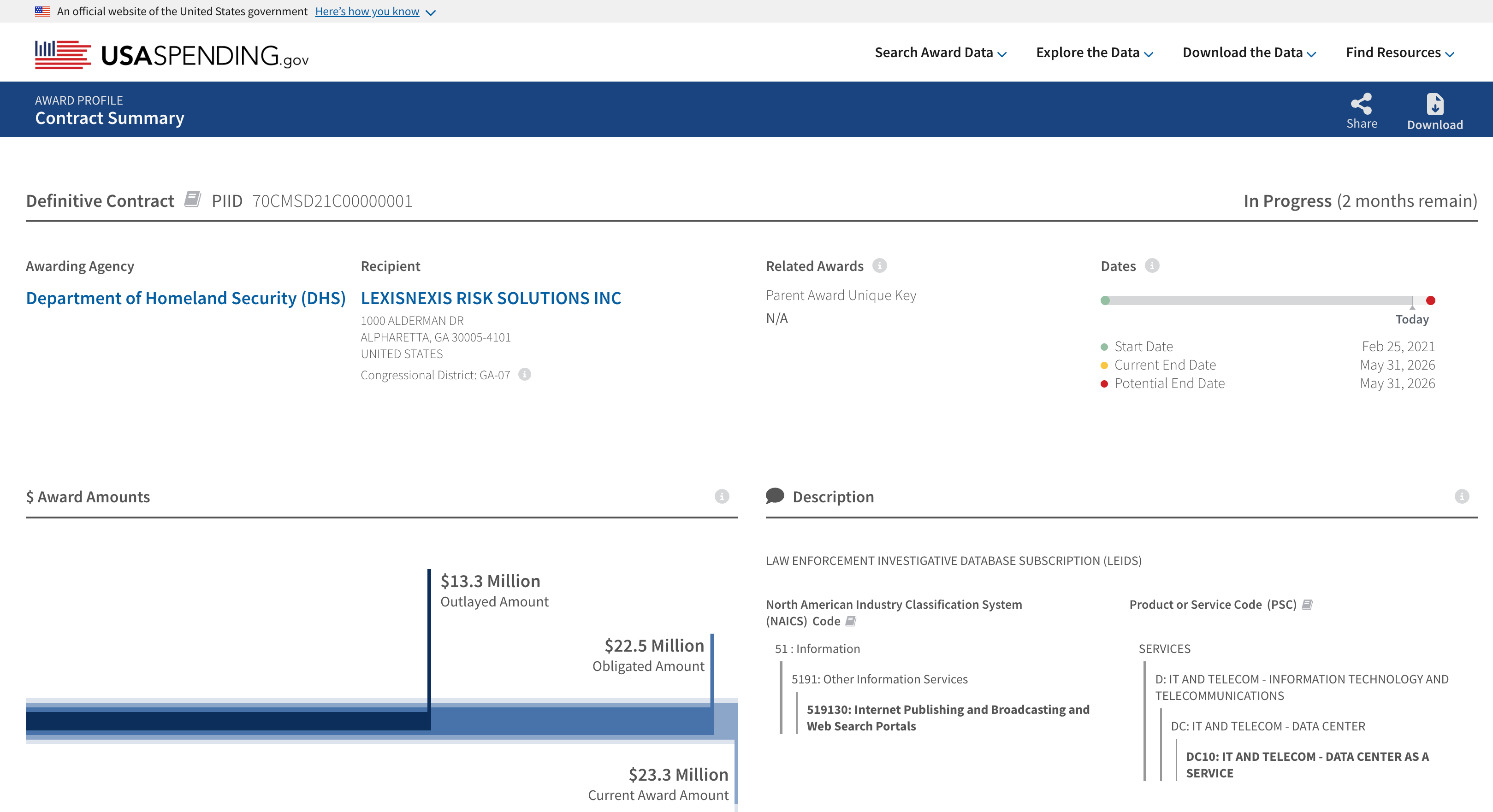
Read that again. The company that inherited Pergamon’s journals — the theoretical blueprints for how to model, monitor, and manage entire societies — is now building and selling the actual algorithmic tools to do it.
But furthermore — the journals that decided what counted as legitimate science for human researchers now form the training data that teaches AI systems what counts as knowledge.
Much like the switchboard operator — Epstein — being retired, the programme no longer needs a publisher. What AI needs is an ‘ethic’ — a set of rules, imposed without your consent, that determines what you are allowed to know, how answers to sensitive questions are framed, and which topics are quietly placed beyond the boundary of acceptable discource109.
And that ‘AI ethic’ was centralised at the federal level by Trump’s executive order in December 2025110.


Find me on Telegram: https://t.me/escapekey
ESC. You have been saying for a long time we are living through Scientific Socialism. Who could doubt after this?
The engineering you have formulated to network this information stack and route/process/verify through multiple competing AI systems is mind boggling. Then you have to actually READ this stuff THEN you have to steer and guide based on your understanding!
Are you sure you don't work for Ghislaine?!
👏👏👏👏👏👏👏👏👏👏👏👏👏👏👏👏👏👏👏👏👏👏👏👏👏👏👏👏👏👏👏👏👏💯💯 OUTSTANDING!!!!!!
I knew Palantir connected to Peragon, but I didn't know where- RELX.
Anyone who needs to know how we ended up here, here is your bullet point map.
Its long so will challenge the short attention span crew, but if they can make it, theyll have their why all tied up with a pretty bow😉🤫
Nice one Esc.🎩👍